


Woman who stole thrift store knives before killing toddler challenged her conviction. Appeals court rejected every claim
The court agreed the prosecutor got part of the insanity standard wrong. That still was not enough to undo the verdict.
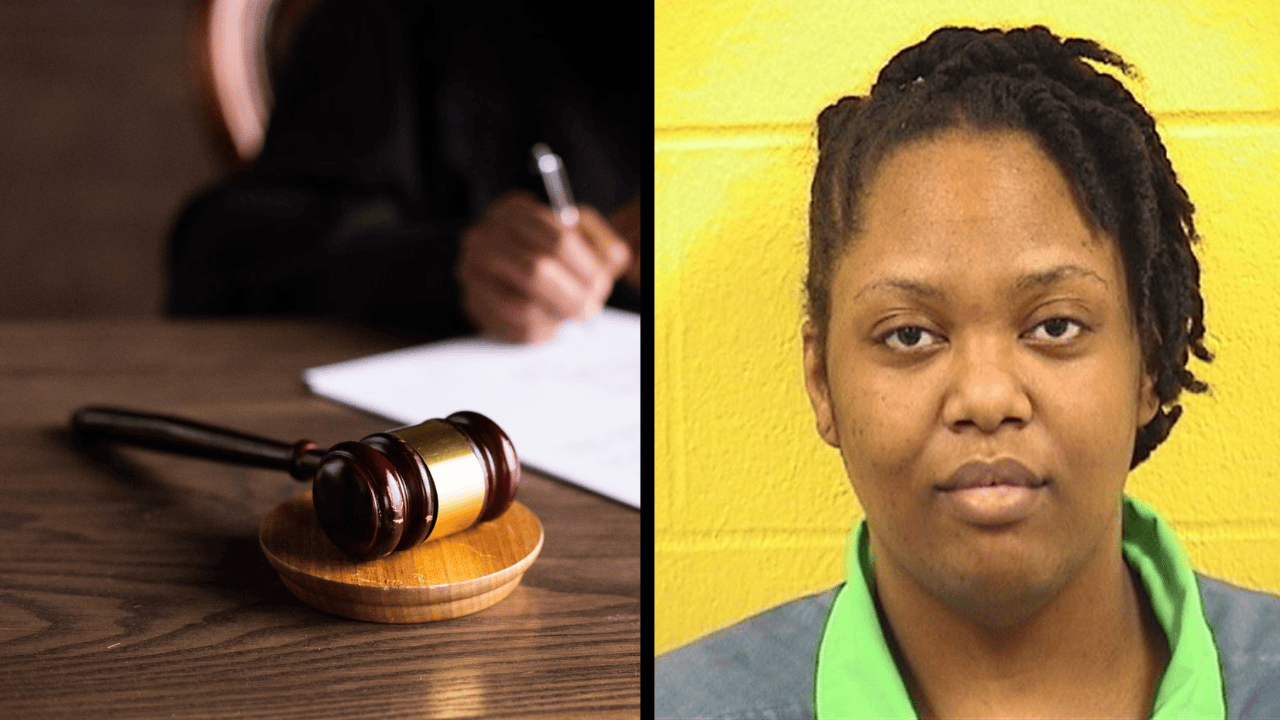
Bionca Ellis is serving life in prison without parole for killing 3-year-old Julian Wood and injuring his mother outside an Ohio supermarket. She challenged that conviction by arguing that jurors received misleading information about her insanity defense and that her own attorneys failed to protect her rights. An appeals court reviewed each claim and left the verdict untouched.
The Eighth District Court of Appeals rejected all three arguments in an Oct. 8 decision. Ellis challenged the way the state’s expert explained Ohio’s insanity standard, the prosecutor’s remarks during closing arguments and the performance of her trial attorneys. The judges even found one statement from the prosecutor was wrong, but concluded it did not change the fairness of the trial.
The case dates back to June 2024, when Ellis took two knives from a Volunteers of America thrift store next to a Giant Eagle in North Olmsted, according to the Cuyahoga County Prosecutor’s Office. She followed Julian and his mother from the supermarket and attacked them near their vehicle. A jury convicted Ellis in October 2025 of aggravated murder and eight other charges.
Her diagnosis was not the question the jury had to answer
Ellis had pleaded not guilty by reason of insanity, and the experts did not disagree about whether she had schizophrenia. They disagreed about something much narrower and much more important to the verdict. Did her illness keep her from understanding that what she was doing was wrong?
That is the difference between having a serious mental illness and meeting Ohio’s legal standard for insanity, as a Vermont jury rejected an insanity claim in another recent case. A diagnosis alone is not enough. A diagnosis alone is not enough. Ellis had to show that a severe mental disease or defect prevented her from knowing the wrongfulness of her actions at the time.
Her appeal argued that jurors may not have heard that difference between the two clearly enough. Ellis’ attorneys said the state’s expert blurred the standard by suggesting she needed to believe her actions were actually right. The appeals court disagreed, pointing out that the expert correctly stated the legal test several times and that the trial judge also gave jurors the proper instruction before deliberations.
Her attorneys raised a second concern about the prosecutor repeatedly telling jurors to hold Ellis accountable. They argued that language could have made it sound as though an insanity verdict meant she would simply walk away without consequences.
That is not how an insanity verdict works. A person found not guilty by reason of insanity can still face court supervised commitment. The appeals court nevertheless found that the prosecutor never told jurors Ellis would go free and that the judge specifically told them not to consider punishment when deciding whether she was guilty.
The prosecutor did get one thing wrong
Ellis did convince the appeals court that something went wrong during closing arguments. The prosecutor told jurors that she needed to prove she believed what she did was right, which the judges said misstated part of Ohio’s insanity standard.
The judges agreed the prosecutor got part of the insanity standard wrong. Unlike a case where jury interference overturned a murder conviction, that mistake was not enough to undo Ellis’ conviction. She still had to show the mistake mattered to the verdict or made the trial unfair, and the court said she did not.
Jurors had already heard the correct insanity standard several times from the state’s expert, and the trial judge gave them the correct legal instructions before deliberations. Because of that, the appeals court concluded that the prosecutor’s inaccurate statement did not leave jurors with the wrong test to apply.
Ellis also argued that her own attorneys should have objected to the prosecutor’s statement and questioned potential jurors more thoroughly about mental illness. The judges found that her lawyers did address mental health during jury selection and treated the decision not to interrupt closing arguments as a matter of trial strategy.
Have a tip we should know? [email protected]
Follow The Mary Sue:
