


Americans are hit with a harsh new reality at the pump as the war on Iran triggers a devastating fuel crunch for travelers

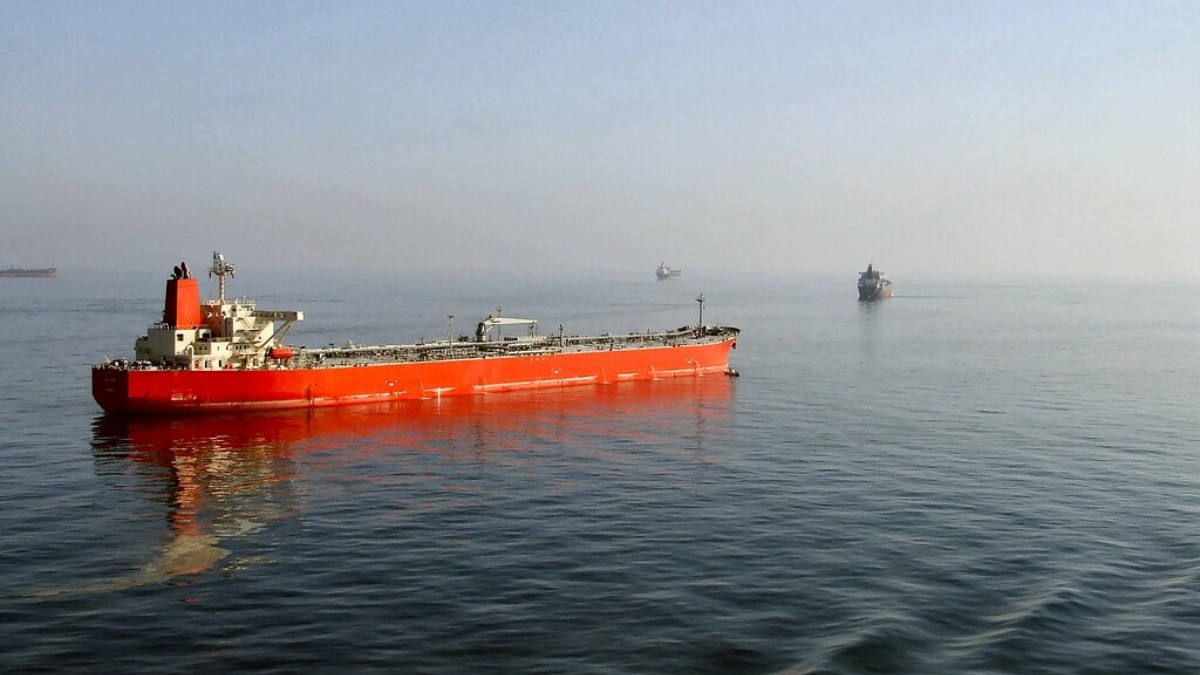
Americans are facing a fresh hit to their wallets as gas prices surge, thanks to the escalating conflict with Iran, creating a major headache for President Donald Trump and Republicans heading into the midterm elections. According to Fox News, GasBuddy said that this week the national average for gasoline shot up to $3.53 per gallon, marking a hefty 59-cent jump in just seven days.
Oil prices have now topped $100 a barrel for the first time since 2022. That’s a big deal because it directly impacts what we pay at the pump. The U.S.-Israeli strikes on Iran are really rattling global oil markets, and investors are already bracing for tighter supplies, which naturally drives up costs.
Trump, who rode into office promising affordability, is now confronting this Iran-driven volatility head-on. Rising fuel costs nationwide are definitely undermining his message and putting fresh pressure on Republicans. It’s creating a new flashpoint for the midterms, especially in key battleground states that are seeing the steepest price hikes.
It’s not just about gasoline, though
Diesel prices have also climbed significantly, with the national average now sitting at $4.72 per gallon, up a whopping 97 cents. This is awful for trucking and shipping, which means you can expect everything from groceries to online orders to get more expensive. It’s a ripple effect throughout the economy.
The steepest week-over-week increases for gas were felt in Indiana, where prices jumped 58 cents, Florida (up 57 cents), Michigan (up 55 cents), Ohio (up 54 cents), and California (up 51 cents). Meanwhile, some states are still seeing lower averages, like Kansas at $2.90, Oklahoma at $2.95, and Arkansas at $2.98.
On the flip side, California has the highest prices at $5.14, followed by Washington at $4.58, and Hawaii at $4.33. This regional divide is sure to fuel midterm debates about energy costs and inflation.
Last fall, Democrats successfully leveraged affordability themes in state and local elections. In Virginia, New York, and New Jersey, where voters were already squeezed by high housing and utility bills, Democratic candidates pointed to Trump’s early economic moves, like his trade policy, arguing they worsened the affordability crisis. They promised to rein in energy costs, expand affordable housing, and protect middle-class wages, a message that really resonated.
A major concern in this conflict is the Strait of Hormuz, a critical waterway between Iran and Oman. About 20 million barrels of oil and one-fifth of the world’s liquefied natural gas (LNG) pass through this narrow passage every single day. When conflict flares up in that region, even just the threat of disruption can send markets into a frenzy because so much of the world’s energy relies on this single corridor.
Trump addressed the risk of disruptions, stating on Monday evening that he would keep the route open and threatened retaliation if Iran tried to interfere. “I will not allow a terrorist regime to hold the world hostage and attempt to stop the globe’s oil supply. And if Iran does anything to do that, they’ll get hit at a much, much harder level,” he said at a press conference in Florida.
“In the long run, oil supplies will be dramatically more secure without the threat of Iranian ships, drones, missiles,” the president added. The White House is currently weighing various steps to protect shipping lanes in the Strait of Hormuz to keep prices from climbing even further.
Have a tip we should know? [email protected]
