


Woman checks into Airbnb. Then she’s horrified when she sees the laundry list of potential fines: ‘If you lose the remote, $300’
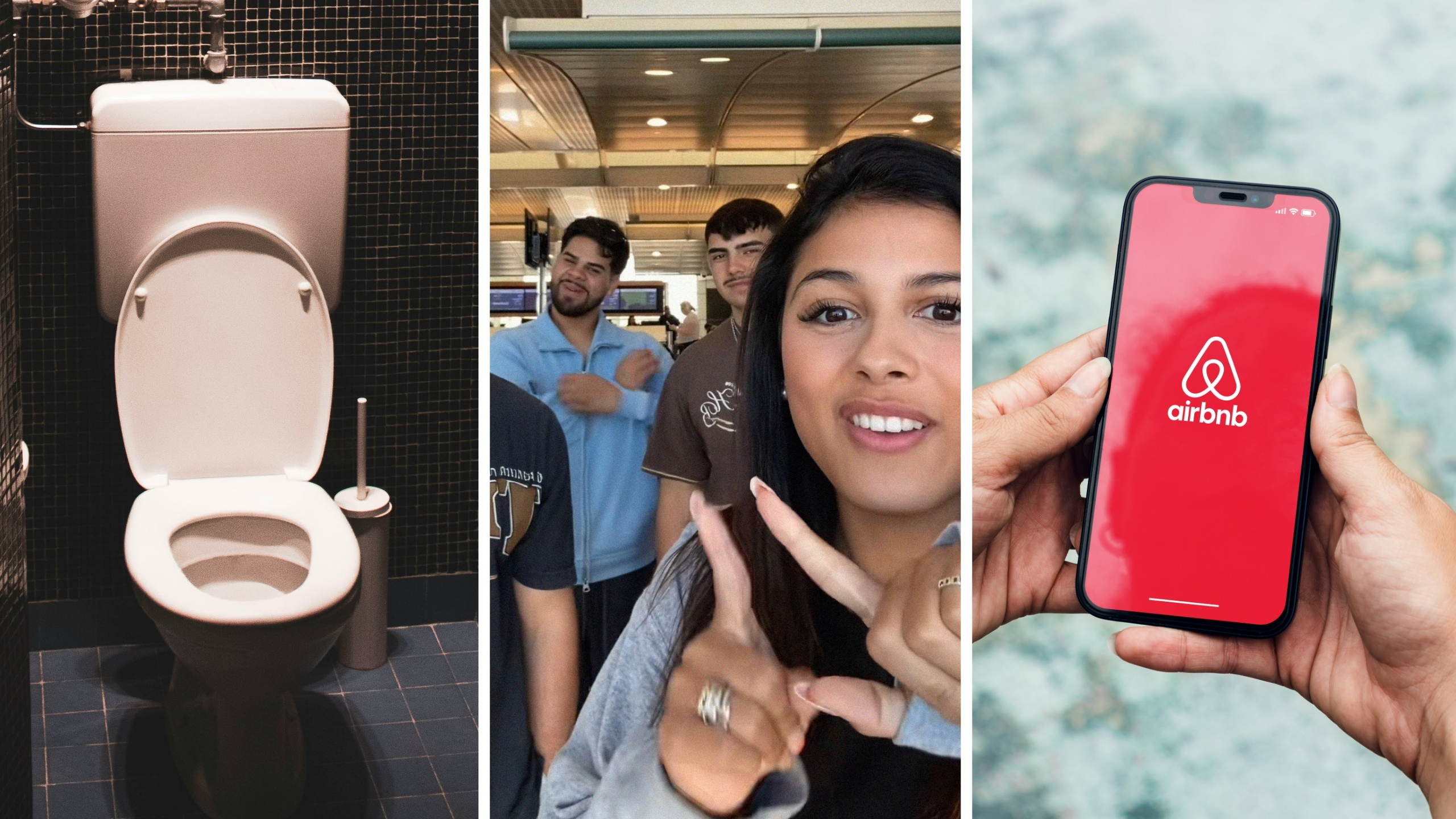
On TikTok, a group of friends shared an Airbnb’s lengthy list of house rules. They questioned whether the policies and potential fines went too far.
TikTok creator Isabela Damian (@isabeladamian) posted the video, which has received more than 1.8 million views. Isabela and her travel group walked viewers through the rules at their rental in San Juan, Puerto Rico. They praised the home but expressed surprise at how many rules guests had to follow.
What Happened at the Airbnb?
The group said the property came with an extensive list of rules. Many violations carried a $300 fine.
Several policies stood out. Guests faced a $300 fee for losing the television remote. They could also face a fine for leaving behind trash, even after paying a cleaning fee. The rules also discouraged guests from contacting the property owner directly.
The rental enforced quiet hours starting at 6 p.m. According to the group, repeated noise warnings triggered escalating financial penalties.
Because they traveled with 15 people, several members joked that keeping everyone quiet would be their biggest challenge.
Another rule limited showers to three minutes. Guests also could not bring drinks into the hot tub.
Despite their surprise, the group laughed through the experience.
Why Do Some Airbnb Hosts Have Strict House Rules?
Although the group’s rule sheet amused viewers, strict Airbnb policies are fairly common. Airbnb encourages hosts to set house rules that cover issues such as quiet hours and occupancy limits. The level of detail varies from one listing to another.
Many hosts create strict rules to protect their properties and avoid complaints from neighbors. Large groups can increase the risk of noise, property damage, and higher utility costs. That is especially true in vacation destinations where local governments have tightened regulations on short-term rentals.
Cleaning fees usually cover routine turnover between guests. Hosts may still charge extra for excessive messes, damaged items, or other house rule violations. Airbnb also allows hosts to set reasonable house rules as long as guests can review them before booking.
Even so, many travelers question where hosts should draw the line. Some argue that long rule lists and financial penalties make a vacation feel more like a contract than a getaway.
Viewers Were Surprised They Booked It
Many viewers focused less on the rules and more on the group’s decision to book the rental in the first place.
One popular comment asked, “Confused on why y’all still booked it?”
Others questioned how the host could enforce some of the restrictions.
“Im genuinely just curious how they monitor this lol,” one user wrote.
Isabela replied that the property had security cameras around the exterior: “We’re here. Cameras. Looks like the Love Island villa with camera lol.”
Some commenters also questioned the group’s claim that the host requested identity verification after they booked.
“As an Airbnb host you need to report them!!! no one should be asking you for verification,” one viewer wrote.
The conversation reflects a broader debate about vacation rentals. Many travelers believe increasingly detailed rule lists and financial penalties make stays feel less relaxing.
Why Are Airbnb Rules Becoming Such a Talking Point?
The debate mirrors other recent Airbnb controversies. A recent People article highlighted a guest who had to complete a four-page checkout checklist despite paying a cleaning fee. The story reignited questions about how much responsibility should fall on guests before they leave.
Airbnb allows hosts to set house rules, including quiet hours and occupancy limits, as long as guests can review them before booking. The company also says cleaning fees should cover standard turnover cleaning. Checkout instructions should remain reasonable and be disclosed in advance.
The tension between hosts protecting their properties and guests expecting a relaxing vacation continues to fuel viral videos and online debate. Isabela’s experience is the latest example to resonate with millions of viewers.
The Mary Sue reached out to Isabella and Airbnb via email.
Have a tip we should know? [email protected]
Follow The Mary Sue:
