


A Woman Opened Her Garmin Watch Box From Best Buy, Then Found Something Very Different Inside: ‘This Is Someone’s Phone. So We’re Charging It’
"This is not a Garmin watch."
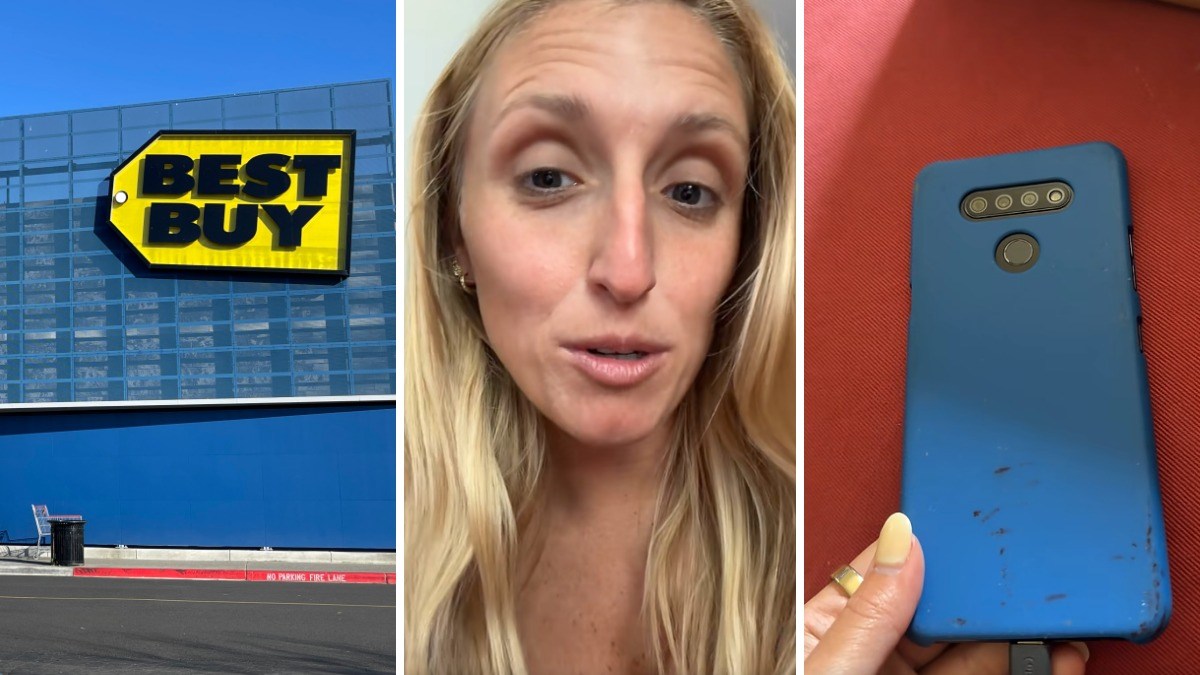
Suzanne Thibault was excited when her boyfriend bought her a Garmin watch from Best Buy for her birthday. According to BroBible, when the Massachusetts-based TikToker opened the package, she found something else entirely.
“This message is for Best Buy and Best Buy only. My boyfriend bought me a Garmin watch for my birthday, and we just opened the package,” she said in her video. She then showed viewers a clearly used smartphone instead. “This is not a Garmin watch,” she said. “This is someone’s phone. So we’re charging it.”
The outlet said it reached out to Thibault and Best Buy for comment. In a follow-up video, Thibault confirmed she eventually got the correct watch, after calling Best Buy on a Sunday and being told to wait until the distribution center reopened Monday. By Aug. 18, when she posted that update, she still had the stranger’s phone and said she believed Best Buy planned to send her a box to mail it back.
What The Law Actually Says About A Situation Like This
Cases like this touch on more legal ground than people might expect, starting with the phone itself. Under Massachusetts General Laws Chapter 134, Section 1, anyone who finds lost property worth $3 or more, where the owner is unknown, is required to report it to police within two days. Simply holding onto a found item while genuinely trying to return it isn’t considered theft under state larceny law, but knowingly keeping something that belongs to someone else, once the owner becomes identifiable, can cross into larceny by conversion if the finder decides not to give it back.
There’s also a separate question about what Best Buy owed her as the buyer. The Federal Trade Commission’s Mail, Internet, or Telephone Order Merchandise Rule requires sellers to deliver what a customer actually ordered, and the FTC has previously taken enforcement action against a company for substituting different merchandise without a customer’s consent, treating it as a rule violation separate from ordinary shipping delays. That gives a shopper who receives the wrong item a real basis to demand a refund or replacement, beyond simply hoping a retailer’s customer service resolves it.
A credit card offers a faster path than waiting on the FTC to act. Under the Fair Credit Billing Act, receiving something other than what was actually ordered qualifies as a billing error, and a cardholder has 60 days from the statement date to dispute it in writing with the card issuer. That protection exists specifically for situations like this one, where what arrived wasn’t what was paid for, separate from any complaint about the item’s quality.
Best Buy’s mixed reputation with shipping mishaps isn’t new. Similar mix-ups have surfaced before, including one where a customer says she got a counterfeit phone through an Instacart delivery, and another where a shopper says a manager blocked a steep discount she’d already found in-store.
Have a tip we should know? [email protected]
Follow The Mary Sue:
