


A Tennessee grandmother spent 5 months in jail for a crime committed 1,000 miles away until bank records proved she never left her hometown
Justice delayed.
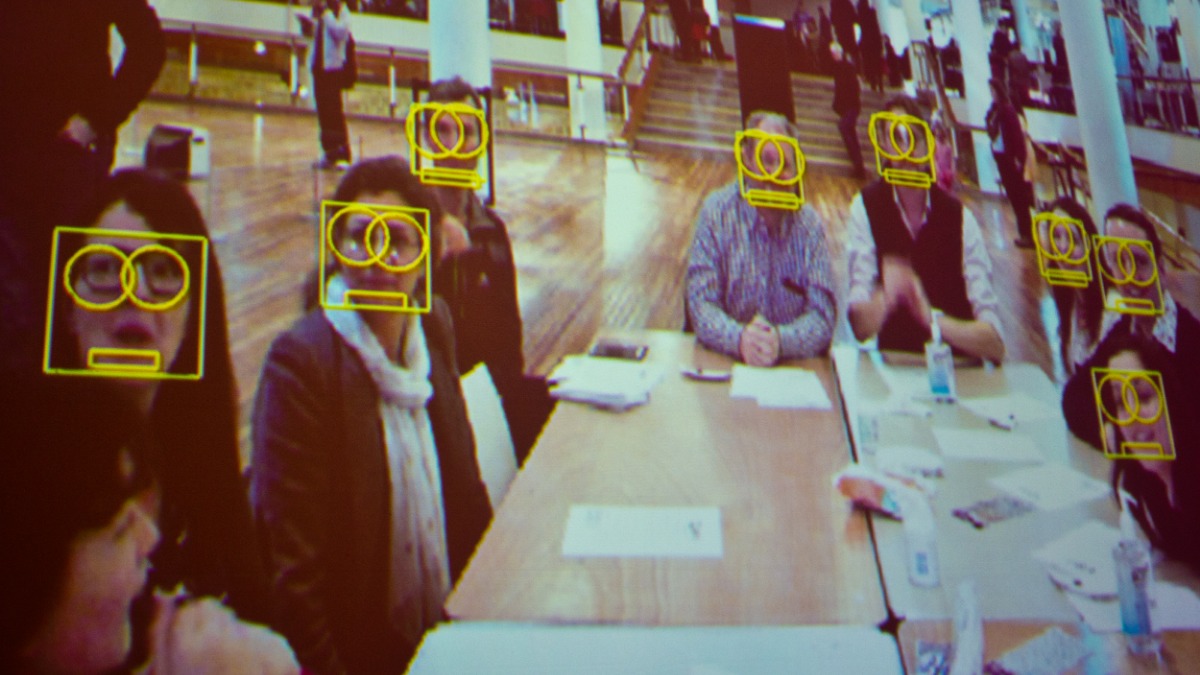
A Tennessee grandmother spent five months in prison for a crime committed 1,000 miles away until it was found that she never left her hometown to begin with. Angela Lipps, a 50-year-old grandmother of five from Elizabethton, Tennessee, was arrested in July 2025 after facial recognition software wrongly linked her to a bank fraud case in Fargo, North Dakota.
Lipps was finally released on Christmas Eve, but not before losing her home, her car, her reputation, and even her dog. According to Fox News, the case began when Fargo police investigated reports of bank fraud involving a suspect who allegedly used a fake military ID. Detectives reviewed surveillance footage and submitted still images from poorly placed security cameras to a facial recognition system operated by the North Dakota State Intelligence Center.
The software returned a match: Angela Lipps. Her defense attorney, Jay Greenwood, later described the images as “terribly placed” and “poor still images.” Despite the questionable quality, police moved forward with the case, cross-referencing Lipps’ driver’s license and social media photos before obtaining an arrest warrant.
Lipps was arrested at gunpoint while babysitting young children
Lipps told authorities from the start that she had never been to North Dakota and had never even been on an airplane. Greenwood said, “She really doesn’t leave the 100- to 200-mile radius of Elizabethton ever.” Her claims fell on deaf ears. Lipps was held in Tennessee as a fugitive from justice, fighting extradition before being flown to North Dakota in late October 2025. It was her first time on a plane, and she was in handcuffs.
The timeline of her detention is murky. Fargo Police Chief Travis Stefonowicz said Lipps was arrested in Tennessee on July 14, 2025, and held on a probation violation. Tennessee authorities notified North Dakota officials on October 20 that she had waived extradition, but Stefonowicz said the department couldn’t determine why she remained in Tennessee custody for so long.
“We have been unable to determine based on available information if the length of time Ms. Lipps was in jail in Tennessee before being transported to North Dakota was due to serving time for a probation violation or if it was because she fought extradition,” he said. In North Dakota, Lipps made her first court appearance on October 31, 2025. However, the detective assigned to the case didn’t learn she was in custody until December 5.
Because she had legal representation, police needed her attorney’s consent to interview her. That interview finally happened on December 19. Afterward, Fargo Police determined more investigation was needed. On December 23, the charges were dismissed without prejudice – meaning they could be refiled if new evidence emerged. Lipps was released the next day.
The case unraveled only after Greenwood dug into Lipps’ alibi
Her family provided bank records showing she had been in Tennessee during the time of the alleged fraud. “She was in Elizabethton and the surrounding communities depositing her Social Security checks,” Greenwood said. “Buying Ubers, cigarettes, gas, all that stuff.” The records proved she couldn’t have been in North Dakota, and the case was dismissed. But the damage was already done. Lipps lost nearly everything during her five months behind bars.
Fargo Police have since adopted a formal facial recognition technology policy, something they didn’t have before the case. Stefonowicz said the department doesn’t own or operate facial recognition software but occasionally submits inquiries to state and national intelligence centers that do.
The new policy, implemented in March 2026, establishes guidelines for how investigators can use facial recognition leads. “This case has prompted FPD leadership to re-evaluate that approach related to having a specific FRT policy,” Stefonowicz said.
The policy change is a step in the right direction, but it doesn’t erase the harm done
Facial recognition technology has been criticized for producing false matches, particularly when images are low-quality or when systems compare faces against vast databases. Many of those databases pull from public photos, including social media, meaning people can end up in search results without ever knowing it.
Greenwood emphasized that facial recognition should be treated as just one tool in an investigation, not a replacement for basic detective work. “They’ve got to learn to use the other tools to verify what they’re being told by this machine,” he said.
Lipps’ case isn’t an isolated incident. Other people have been wrongfully arrested after facial recognition software produced mistaken matches. Civil liberties groups have also warned that these systems can be less accurate for darker-skinned individuals, raising serious concerns about racial bias and accountability. For Lipps, the consequences were devastating. A flawed algorithm upended her life, and no policy change can give her back the months she lost.
(Featured image: Pete Woodhead)
Have a tip we should know? [email protected]
Follow The Mary Sue:
