


A judge says Trump issued new birthright citizenship orders when the Supreme Court’s ‘ink had scarcely dried,’ then blocked them from taking effect
I thought the Supreme Court ruling in June would've ended this fight.
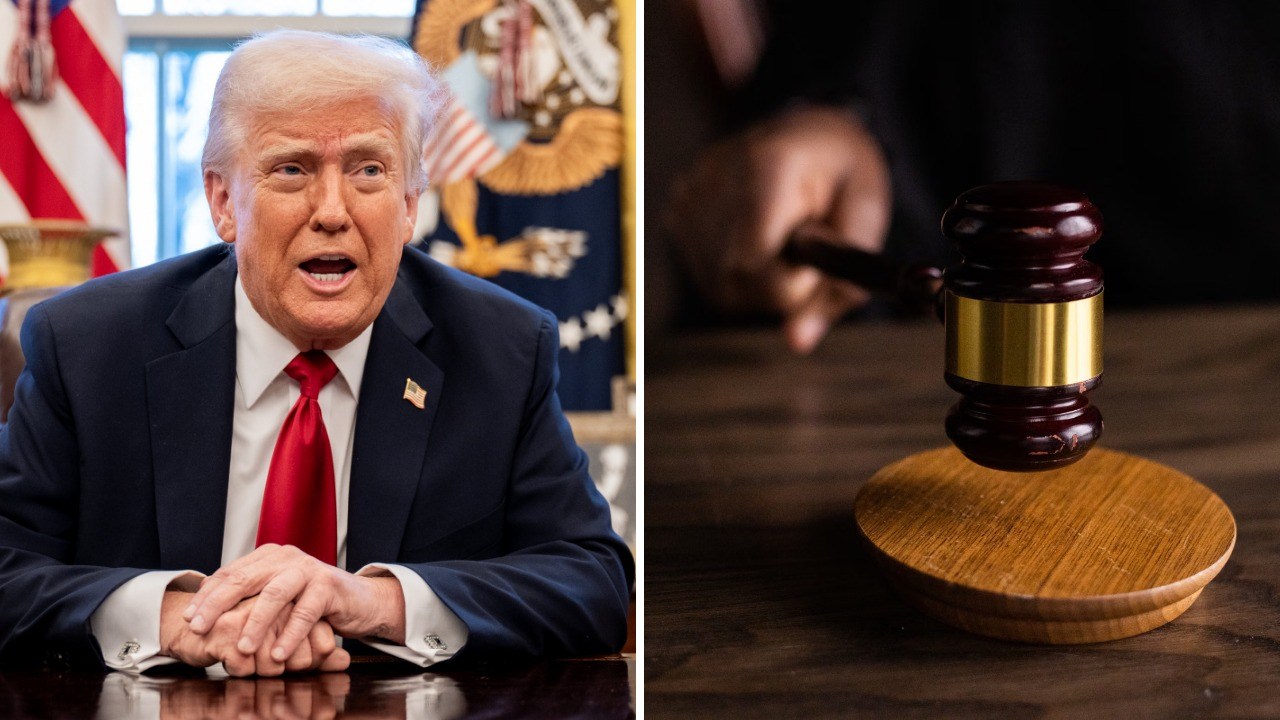
A second federal judge has blocked President Donald Trump’s latest attempt to restrict birthright citizenship, months after the Supreme Court rejected his first. District Judge Christopher Cooper issued a preliminary injunction on Wednesday. The White House, which has pushed to end birthright citizenship, called it “just another ruling from an activist judge appointed by Obama.”
The August orders were designed to limit the scope of birthright citizenship and target what the administration identifies as birth tourism. This practice involves traveling to another country to give birth there so the child receives automatic citizenship. Trump signed them weeks after the Supreme Court voted 6-3 in Trump v. Barbara to strike down his first birthright citizenship order.
Immigrant rights groups, including the American Civil Liberties Union, filed the lawsuit that led to the ruling in September. In a 67-page memorandum opinion, Cooper wrote that the Citizenship Clause “promises citizenship to practically all children born in the United States.” The injunction bars federal authorities from enforcing the orders, and Cooper reportedly refused to pause it during an appeal, according to The Hill.
The judge didn’t think this one was a close call
Cooper said the order also keeps the administration from taking other actions to deny or infringe on class members’ citizenship. He wrote that the public interest is always served when federal agencies follow the Constitution and federal law. Because the class includes children who are or will be denied citizenship under the orders, protecting the class could extend beyond the plaintiffs.
Cooper wrote that the merits of the case were clear-cut. He added that the Supreme Court has twice confirmed that all children born in the country are citizens, save only for a small handful not subject to U.S. law. The President issued his second order when “Barbara’s ink had scarcely dried,” Cooper wrote.
The August orders reportedly sought to deny citizenship to certain children of foreign government employees, children born through commercial surrogacy and children of alleged members of designated terrorist groups. However, Cooper found the narrower focus did not rescue the policy, as the Supreme Court had already limited the exceptions to a few long-recognized categories.
Cooper is the second federal judge to block the August orders. Maryland District Judge Deborah Boardman issued a preliminary injunction in September after a challenge from two other immigrant rights groups. Her court had to block once again the President’s “most recent attempt to strip the right to citizenship,” wrote Boardman, a Biden appointee.
The White House defended the policy after that ruling, with spokeswoman Lauren Bis saying the order was consistent with the Supreme Court’s holdings. The ACLU, which also represented families before the Supreme Court, welcomed Wednesday’s decision. “Enough is enough,” said Cody Wofsy, deputy director of the ACLU’s Immigrants’ Rights Project.
Courts keep pointing back to a case from 1898
The 14th Amendment was ratified in 1868, after the Civil War. Its Citizenship Clause declares that people born or naturalized in the country and subject to its jurisdiction are citizens. In United States v. Wong Kim Ark, the Supreme Court ruled in 1898 that a man born in San Francisco to Chinese parents was a citizen from birth.
The ACLU counts that case and the June ruling as the two times the Supreme Court has rejected efforts to gut birthright citizenship. According to Cooper’s opinion, the justices left only three narrow exceptions in place. They cover children of foreign officials with full diplomatic immunity, children of enemy forces occupying U.S. territory, and children born aboard foreign public ships.
Concerns about birth tourism are not new to the administration, as Trump’s State Department adopted a visa rule during his first term. It directs consular officers to deny tourist visas to applicants traveling primarily to give birth in the U.S. However, that rule targeted travel rather than the citizenship of children already born on American soil.
Have a tip we should know? [email protected]
Follow The Mary Sue:
