


A California man had knee surgery, then the company that made his implant told him he had to download an app for the ‘smart knee’ he didn’t ask for
He claims he did not consent to the device being fitted
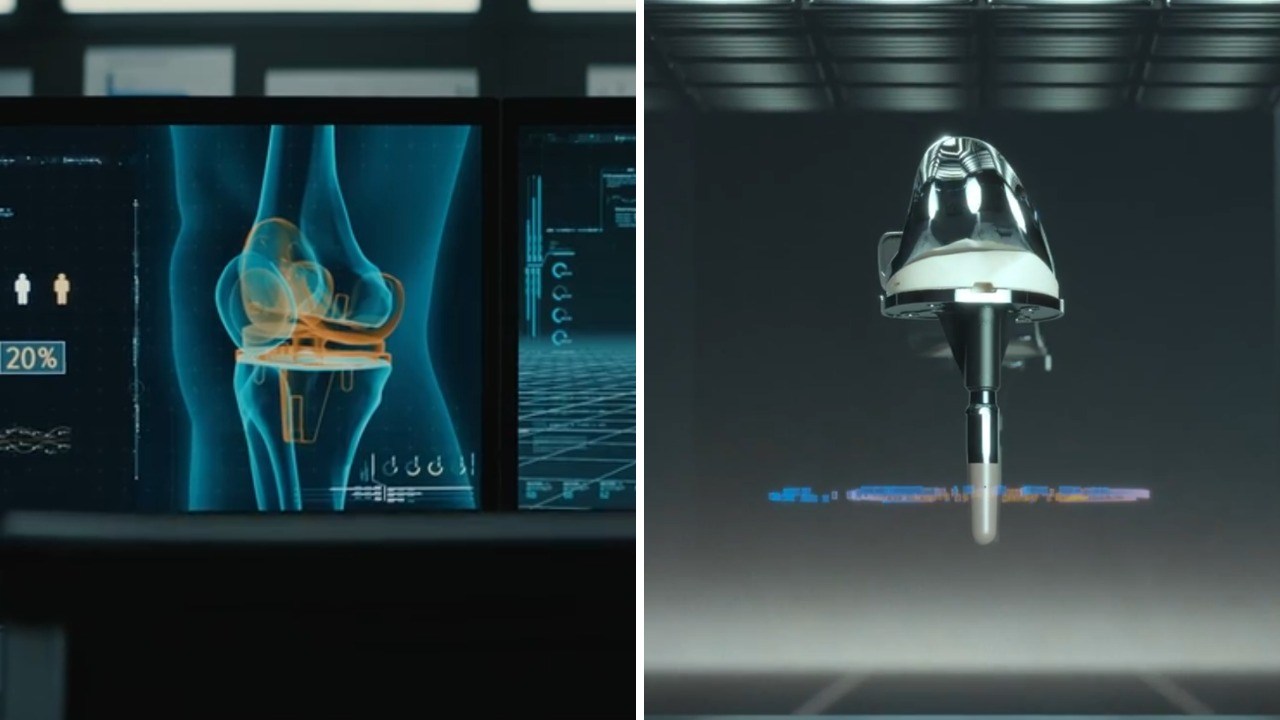
A California man is suing his doctor after the company that made his knee implant informed him that it was a “smart knee” fitted with a battery, sensors, and a transmitter that would send data to an app about his gait and range of motion. The man claimed that his doctors did not inform him about the smart sensor and claimed that he did not consent to being fitted with one.
Steve Russak, 70, a resident in Santa Rosa Valley, California, underwent knee replacement surgery last year. However, in the days that followed his surgery, he allegedly received numerous texts from the company that had fitted his knee, and according to KFF Health News, the company, Zimmer Biomet, texted him four times. Russak claimed that he did not understand the messages, which reportedly asked him to use an app.
He later received a call from a representative of the company who offered to help set up the app, which Russak said confused him more: “I said, ‘What? I don’t know what you’re talking about.’” It was then that he learned that doctors had replaced his knee with what they referred to as a “smart knee.”
Once set up, the knee implant, which is called the Person IQ, would send data to an app, which would give Russak information about the way he walked and more. According to the product description on the Zimmer Biomet website, the Person IQ “collects data directly from the knee to provide post-operative recovery insights through the mymobility Care Management platform, allowing care teams to monitor and personalize the TKA patient experience with the goal of improving practice efficiency.”
Russak is taking his doctor to court, as he claims he didn’t consent
KFF Health News reports that Russak is now suing his doctor, Zimmer Biomet, and Canary Medical, who helped develop the implant. He claims that he did not have informed consent as to what was being fitted and says it was an “unauthorized implantation.” According to the lawsuit, the company’s “patient-facing materials” should have given him the option to opt out of the data collection as well as the option to opt out of having the device fitted altogether.
Russak alleged that his doctor “had not disclosed the electronic nature, wireless transmission functions, or data-collection capabilities of the Persona IQ to prior patients in whom he had implanted the same device.” The lawsuit also claimed that the company responsible for creating the device had “failed to adequately educate” Russak’s doctor.
Russak said he didn’t want to set up the device for numerous reasons, including patient privacy. He also said that the device posed potential disruptions, claiming that he wasn’t able to get a recent MRI due to compatibility issues.
The doctor and the doctor’s lawyer have yet to respond to requests for comment; however, Zimmer Biomet and Canary did file responses in which they denied “each and every allegation.” They defended themselves by claiming that any damages were the fault of another party.
Canary did not respond to a request for comment, and Zimmer spokesperson Troy Kirkpatrick also declined to comment on the lawsuit. However, he claimed that “nearly 90%” of patients surveyed by the company said that they would opt for an orthopedic device with remote monitoring capabilities again.
“The transmission of post-operative recovery data requires patient authorization at the time the patient sets up an account and is designed to support patient-surgeon relationships and postoperative care,” Kirkpatrick said, adding that Zimmer takes compliance and privacy regulations “very seriously.”
Russak said that he has since dropped the fraud and breach of fiduciary duty allegations but is continuing with his lawsuit on other grounds. The next hearing for the suit is scheduled for December.
Smart implants are being increasingly used
According to an article published in Materials Today Bio, smart implants are being increasingly used and offer many benefits, including tracking a patient’s status, treating diseases, and restoring tissue and organ function. The article also suggests that such smart implants could be used to increase a patient’s quality of life and extend their life expectancy.
However, the new technology does have drawbacks for patients too, with privacy concerns being an issue. A ProPublica article from 2018 reported that patients with CPAP machines were denied coverage for replacement supplies like masks after insurers saw data that showed that they had not been using them.
Have a tip we should know? [email protected]
Follow The Mary Sue:
