




These Two ‘Super-Puff’ Planets Have Densities Lower Than That of Candy Floss
TOI-791 b and TOI-791 c Are Less Dense Than the Cotton Candy You Had at the State Fair
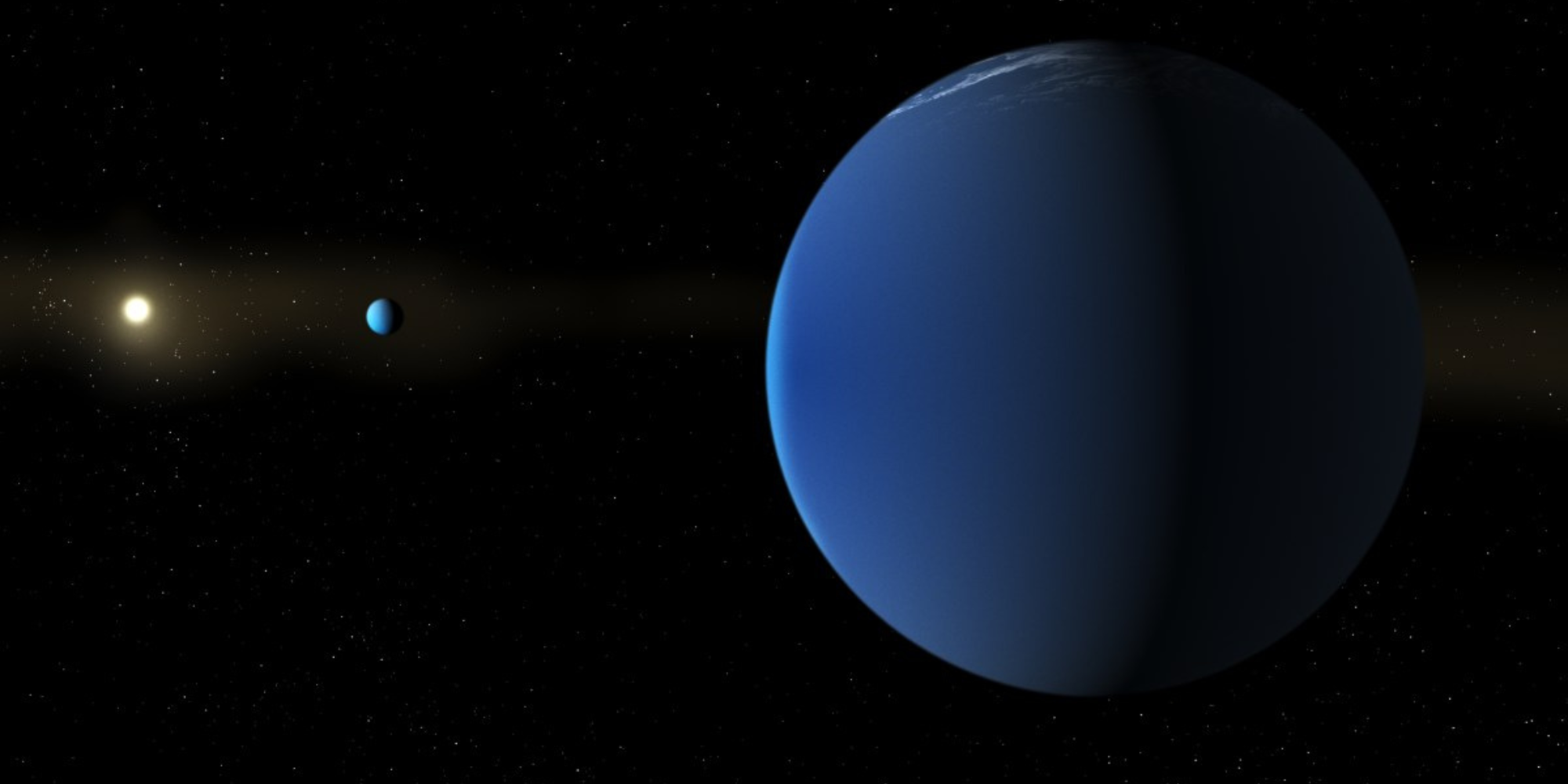
When one imagines the density of a planet, one likely considers most of them to be fairly dense. After all, even our smallest planet, Mercury, is the second densest in our solar system due to its iron core. However, some planets have such low densities that candy floss is more dense than they are.
These planets, known as “super-puff” planets, are fairly rare, but researchers from an international collaboration led by the University of Oxford just discovered two new ones. Compared to candy floss, which typically has a density of approximately 0.05g/cm³, one of the super-puff planets has a density of 0.038g/cm³. Meanwhile, the other’s density is only 0.047g/cm³.
The researchers shared their study on the planets in the Monthly Notices of the Royal Astronomical Society.
What We Know About the Two New Super-Puff Planets
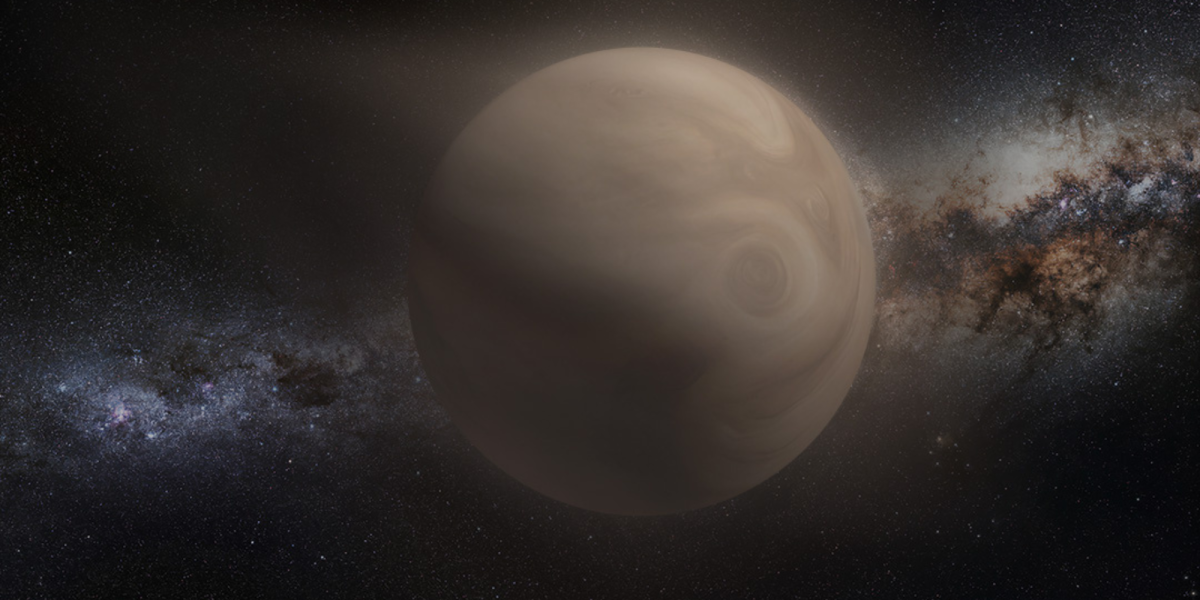
What exactly are super-puff planets? Essentially, these kinds of planets tend to have a radius larger than Neptune’s and a mass larger than Earth’s, which leads them to have incredibly low densities. As to how these planets form, astronomers are still unsure. One theory posits that super-puff planets have highly helium- and hydrogen-rich atmospheres that contribute a significant portion to their mass.
As for the two new planets, scientists have named them TOI-791 b and TOI-791 c. These planets are “sibling” planets, as researchers believe they both formed at the same time from the same disc of dust and gas. Both are approximately the same size as Jupiter and orbit a dwarf star in Volans, a southern constellation roughly 1,110 light-years from Earth.
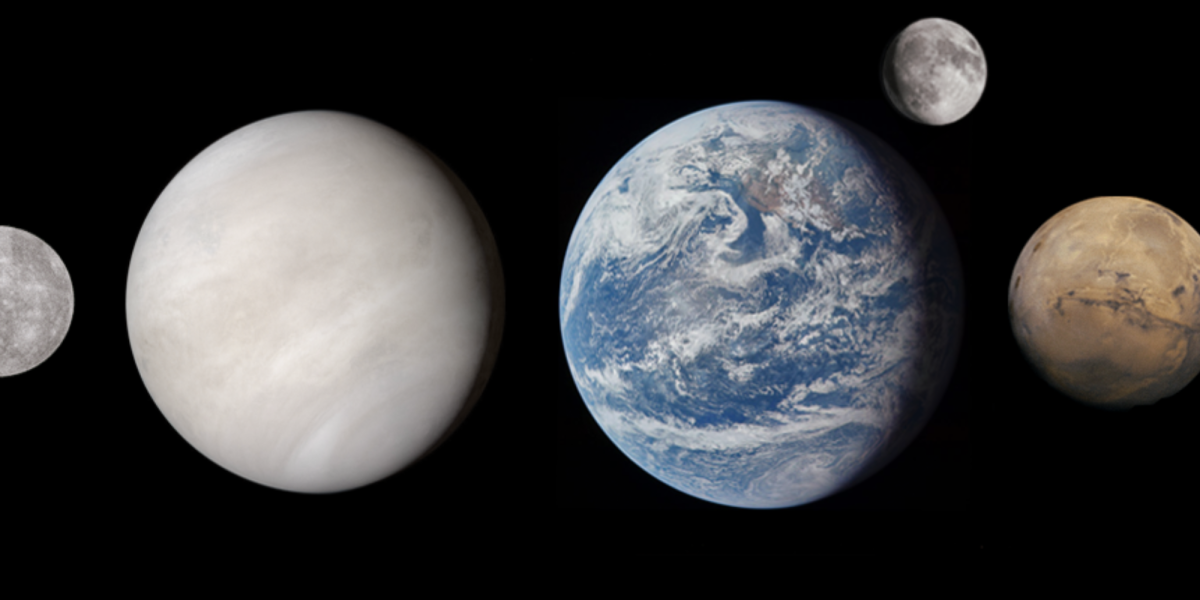
TOI-791 b has the lower density of the two, but compared to other planets, the densities of both super-puff planets are incredibly low. In contrast to their densities of 0.038g/cm³ and 0.047g/cm³, Earth has a density of 5.5g/cm³. That makes our planet 117 to 144 times more dense than TOI-791 b and TOI-791 c.
Researchers also found that the two super-puff siblings are locked in a fairly rare gravitational relationship. This relationship causes the planets to tug on each other constantly, creating differences in the timing of their orbital transits around their dwarf star.
How Did Researchers Locate TOI-791 b and TOI-791 c?
Though the discovery that TOI-791 b and TOI-791 c are super-puff planets is new, volunteers in the Planet Hunters TESS citizen-science project actually identified them as potential candidate planets years ago. They identified TOI-791 b in 2019 and TOI-791 c in 2023.
Once identified, researchers used telescopes around the globe to try to measure the planets’ densities by combining observations of their masses and sizes. Researchers determined the size of these planets by how much they dimmed the light of the dwarf star as they passed it by. Then, after noticing how the two super-puff planets tugged on each other and how that caused differences in orbital transit times, researchers were able to estimate their masses, which led to calculating their densities. The whole process took eight years of observations.
Now that scientists have measured the densities of TOI-791 b and TOI-791 c, they want to investigate the two further to understand how they formed, in the hope that this will enable them to learn more about our universe.
As Dr. George Dransfield, Department of Physics, University of Oxford, and one of the lead authors on the study explained in a University of Oxford press release, “Only a handful of these super-puffy planets are known, and it is even rarer to find two in the same system. Their extremely low densities make them fascinating targets for understanding how planetary systems form and evolve.”
(feature image: NASA/Daniel Rutter)
Have a tip we should know? [email protected]