


The Original X-Men Team Says X-Men ’97 Season 2 Gets to Explore Stories They Never Could
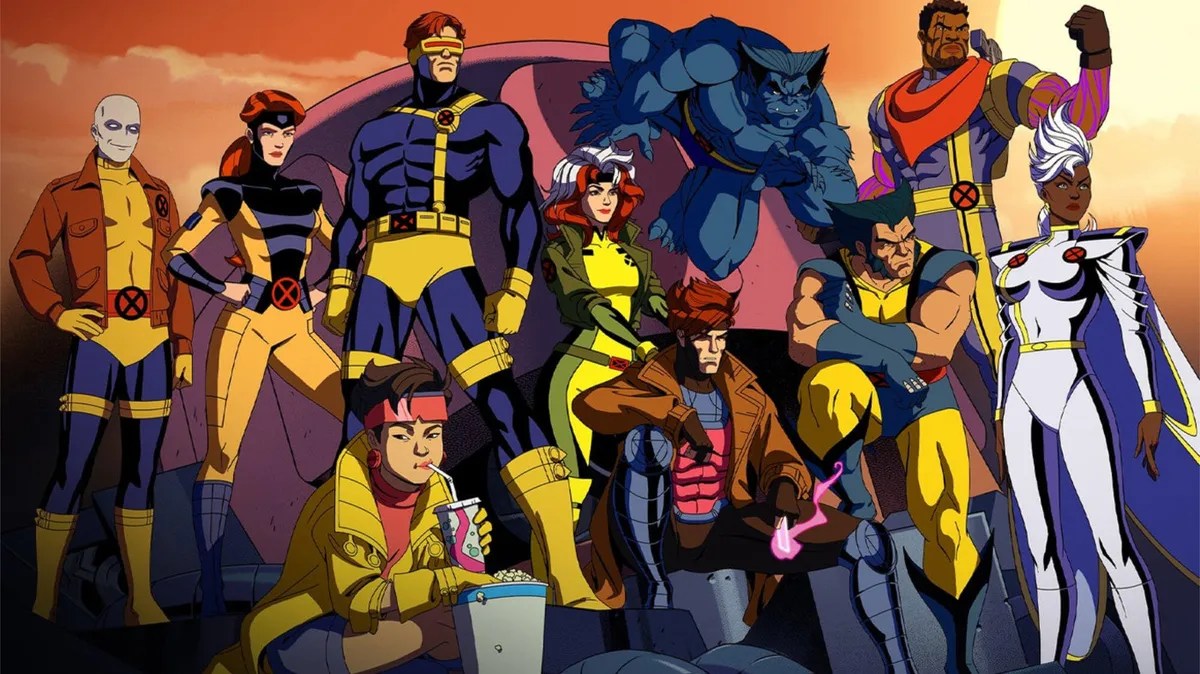
When X-Men ’97 debuted last year, it accomplished something few legacy revivals ever manage. It didn’t only recreate the original animated series. It actually felt like a natural continuation of it. Now, as fans eagerly await season two, the people who helped build the original X-Men: The Animated Series are just as excited to see where the story goes next.
The Mary Sue’s Rachel Leishman spoke with original series creators Eric and Julia Lewald and animation director Larry Houston about X-Men ’97, the evolution of the franchise, and why the Disney+ revival has opportunities they never had in the 1990s.
The Team is Helping Shape X-Men ’97 Earlier Than Ever Before
Houston revealed that his role as an executive producer has allowed him to become involved much earlier in the creative process than he was during the original animated series.
Rather than simply reviewing the nearly finished episodes, he’s apart of the conversations pertaining to story development from the start to end.
That expanded involvement has made it even more exciting for the new creative team, who are building on the foundation established by the original series while taking the characters in new directions.
Nightcrawler, Colossus, and Shadowcat are Finally Getting Their Due
One of the biggest advantages of X-Men ’97 is simply having more room to explore Marvel’s enormous roster of mutants. Houston admitted there were several fan-favorite characters the original series never had enough time to fully develop.
“I think they’re exploring those characters more, especially Nightcrawler,” Houston said, explaining that the original series had to rotate characters in and out because the creative team simply didn’t have enough time to develop everyone on the roster.
He also mentioned Colossus as another character who deserved more attention. Perhaps the biggest surprise was hearing him bring up Shadowcat, better known as Kitty Pryde. According to Houston, the creative team originally wanted to use Kitty during X-Men: The Animated Series, but Marvel instead pushed them toward a relatively new comic character named Jubilee.
At the time, Jubilee had only recently debuted in the comics. Today, Jubilee stands as one of the animated franchise’s central characters.
The Creators are Loving All the Gambit Theories.
One of the biggest conversations surrounding season two is Gambit’s fate after the emotional finale of season one.
Leishman asked the team about the growing fan theory that Gambit could return as one of Apocalypse’s Horsemen; a storyline pulled from the comics that many viewers believe is inevitable.
Houston couldn’t reveal any spoilers, but he admitted he completely understands why fans are obsessing over every possible clue. As someone who grew up a comic book fan himself, he said he’d be making the exact same theories if he were only watching the show from home.
Rather than confirming or denying anything, he simply encouraged fans to remember the very last shot from the original animated series.
Needless to say, the speculation isn’t slowing down anytime soon.
Why X-Men: The Animated Series is Still So Beloved Decades Later
While season two naturally dominated much of the conversation, the interview also became a reflection on why the original series continues to connect with audiences more than 30 years after its debut.
Eric Lewald believes one of the show’s greatest accomplishments was staying true to the heart of Marvel’s comics.
He noted that despite adapting iconic stories like Days of Future Past and The Dark Phoenix Saga, much of the series consisted of original stories that still felt unmistakably like X-Men.
“We were able to adapt the heart of the comic book series and put it on the screen,” he explained.
For Lewald, that commitment to authenticity helped prove there was an audience for faithful comic adaptations long before superhero films fully embraced comic accuracy.
It’s Always Been About the Humanity Behind the Powers
Julia Lewald believes the show’s greatest strength has never been flashy powers or colorful costumes. Instead, she pointed to the deeply human struggles that define every member of the team.
For her, Beast perfectly represents what makes the X-Men unique. Despite being the smartest person in almost any room, he’s also the character who visibly can’t hide that he’s different, making him one of the franchise’s most emotionally compelling heroes.
That emotional core, she explained, is what allows viewers to see themselves somewhere within the X-Men, regardless of which character they connect with.
It’s also why the series has remained meaningful for generations of fans around the world.
X-Men ’97 Has Decades of New Stories to Explore
The creators also acknowledged that today’s writers have a significant advantage over the team that made the original series.
Many now-iconic pieces of X-Men mythology didn’t exist when X-Men: The Animated Series went into production.
Apocalypse’s expanded backstory didn’t exist. Marvel hadn’t fully established Rogue’s origins yet. Even details as simple as Rogue’s real name weren’t available to the creative team at the time.
Today’s writers have decades of additional comics to pull from, allowing X-Men ’97 to explore stories the original series never had access to. Due to this, it is one of the reasons the revival feels both nostalgic and fresh at the same time.
The Legacy Continues
One thing became clear throughout Leishman’s conversation with Eric and Julia Lewald and Larry Houston: none of them see X-Men ’97 as simply revisiting the past. Instead, they see it as a continuation of everything they hoped the original series would become.
They’re celebrating expanded roles for beloved characters like Nightcrawler, helping shape future seasons from the earliest stages, and enjoying fan theories just as much as everyone else waiting to see what happens next.
If season one proved anything, it’s that the X-Men’s greatest power has never been their mutations, it’s the humanity that has kept audiences invested for more than three decades.
(feature image: Disney+)
Have a tip we should know? [email protected]
Follow The Mary Sue:
