


Keir Starmer’s Record on Women’s Rights — He Came in Promising to Be a Feminist PM; How Did He Actually Do?
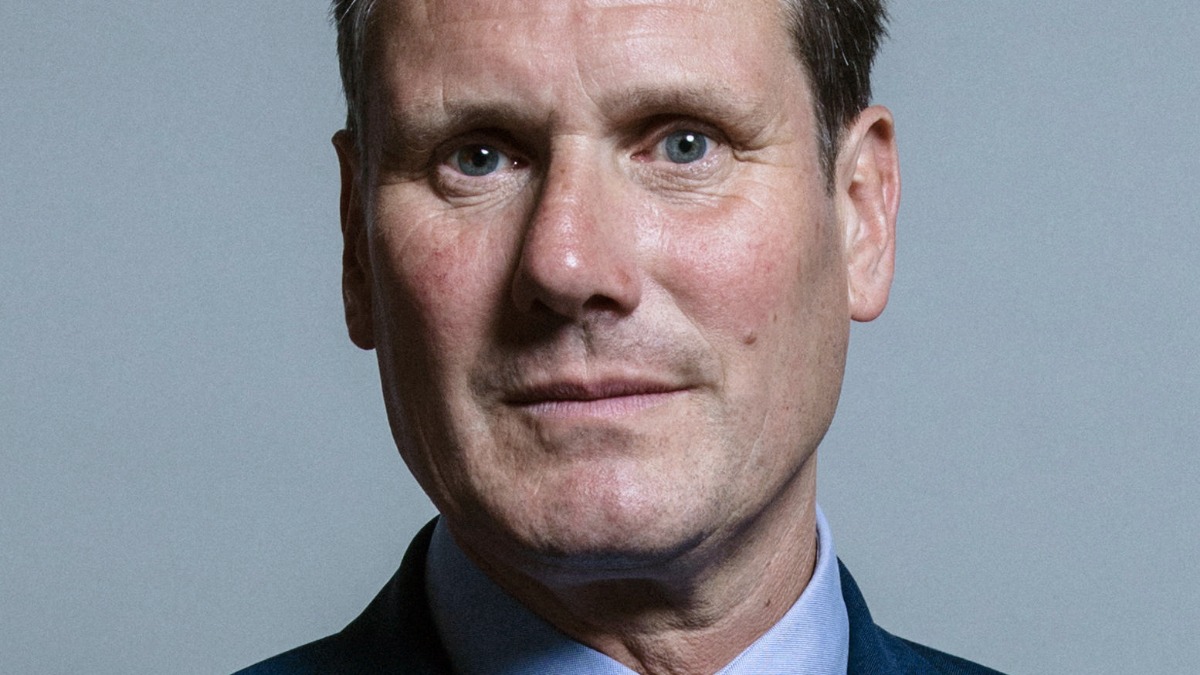
With his recent resignation, British PM Keir Starmer ends a two-year stint as the most powerful politician in the UK. Upon election he claimed he would be a feminist prime minister, but how well did he live up to that mantle?
One simple albeit flawed way of looking at Starmer’s feminist credentials is the make up of his cabinet. Although there have been a few reshuffles, the current top team of the Labour Prime Minister is made up of exactly 50% women. It’s also notable that the three traditionally most important ministers (the Home Secretary, the Defense Secretary, and the Chancellor of the Exchequer) are all women too, with his pick for Chancellor Rachel Reeves being the first ever woman to take role. However, some argue that representation is a shallow solution for employment inequality. So, other factors must be considered.
Under Starmer’s Labour government the UK gender pay gap has decreased, but this is consistent with general trends over time rather than something his team can claim is the result of policy. With that said, the current administation has put forward a new strategy for fighting violence against women and girls, which in the age of Andrew Tate and the Manosphere is increasingly necessary. This includes officially making misogyny a form of extremism, opening new legal avenues for women to defend their rights.
What changes were made?
Through a Gender Critical, or Trans-Exclusionary Radical Feminist lens, this Labour government have been a success, rolling back many of the rights the community has won in recent years. However, most mainstream feminist voices believe trans liberation is vital for the feminist cause, and large numbers have argued this government is reactionary and anti-feminist as a result of this. This argument is aided by the fact that the Gender Critical movement has aligned itself with religious fundamentalists and other far right groups to further their cause.
Those who believe material and economic freedom are the most necessary aspects for women gaining equality will see Starmer’s government as a positive. His Employment Rights Bill includes a large swathe of positive measures to drive workplace equality, including enshrining flexible working as a right, as well as stronger protections to deter sexual harassment at work. The new bill also offers better protections against pregnancy and maternity discrimination than there were previously.
There are other choices the government has made that align with feminist viewpoints, like enforcing buffers around abortion clinics to stop protestors intimidating women seeking reproductive care. Starmer himself has also been vocal about the fight against misogyny, appearing on podcasts and other shows to discuss the topic.

Ultimately, Starmer isn’t resigning because he was too much or too little of a feminist. He simply hasn’t been able to win the media battle against an increasingly well funded and precise system of propaganda. Perhaps in a bygone era, where sensible pragmatism mattered more than soundbytes and algorithms, we’d have been able to see how much of a feminist he really was, but we don’t live in that world.
(featured image: Chris McAndrew, CC BY 3.0)
Have a tip we should know? [email protected]