


Woman Says Friend of 15 Years ‘Digitally Kidnapped’ Her Daughter. Then She Tries To Confront Her: ‘This Is Terrifying’
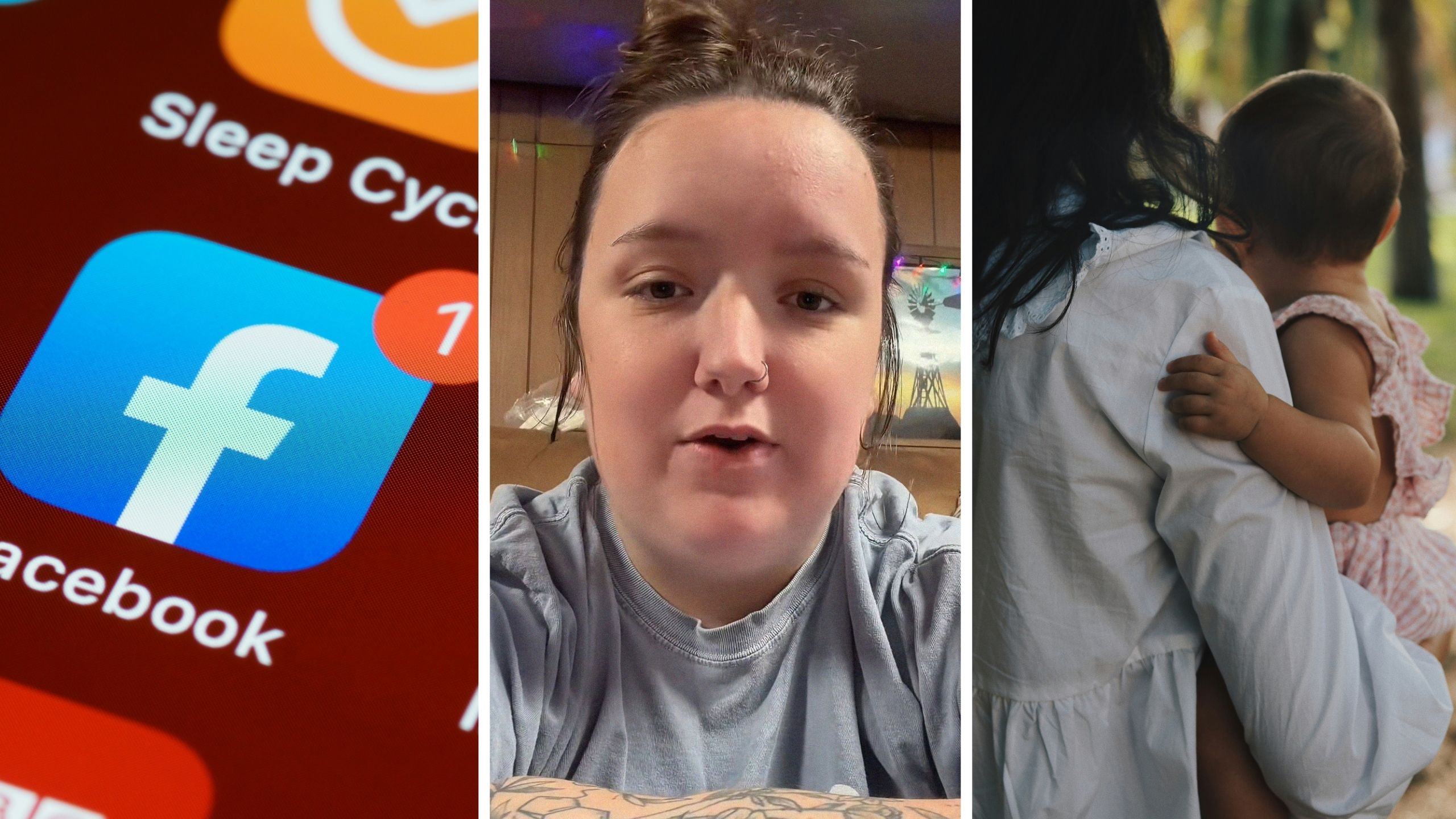
A woman discovered her best friend had “digitally kidnapped” her daughter. After she confronted her, the cops had to get involved.
In a viral TikTok video with 2.2 million views, user Marissa (@marissalayb) explained how she discovered her bestie had stolen her baby’s photos and called them her own.
It all began when her best friend randomly disclosed that she wanted to quit her job.
Allegedly, a woman at the workplace was creating unnecessary drama, and she didn’t want to put up with it anymore.
However, that wasn’t the whole story.
Shortly after, Marissa received a message from a woman she did not know with a very cryptic warning.
“I just feel like as a mom you need to know that one of your friends is posing as your daughter’s mother,” the message read.
When she asked who, the random woman accused her best friend.
What Happened Next?
The mom immediately confronted her best friend about the woman’s accusation.
“I messaged my best friend and I sent her the screen shot,” she explained.
Within seconds, she called to defend herself. The best friend accused the woman of being “crazy” and said she was the reason why she wanted to quit her job.
Her best friend admitted that she did refer to her baby as “my little girl,” but said the woman took everything out of context and misrepresented the truth.
Of course, Marissa believed her best friend.
However, she did not block the woman, even when her friend urged her to.
In fact, she instead decided to investigate whether the woman’s claims had any validity. That’s when she discovered there was some truth to the outrageous claim.
The woman provided screenshots of her best friend using her daughter’s photos as if they belonged to her own child.
What Did Her Best Friend Use The Daughter’s Photos For?
Marissa received a multitude of screenshots of messages between her best friend and other people.
The messages included photos of her daughter during Christmas and even one where her daughter was only wearing a diaper.
Her friend engaged in discussions about the photos and the child in them as if it were her own child.
The bestie even stole photos from her Facebook and sent them to her co-workers.
Aside from using the photos, apparently, Marissa’s best friend even made up a birth story about her child.
Ultimately, the woman accused the friend of “digitally kidnapping” her daughter.
What Is Digital Kidnapping?
Digital kidnapping is when someone steals photos of a minor and pretends to be them or their parents.
The trend has increased with the widespread use of social media to share photos of kids, giving strangers unprecedented access to children’s images and personal information.
In some cases, users create entire fictional identities around the child, pretending to be the child’s parent or guardian and sharing the images across social platforms to gain attention and engagement.
However, in this instance, it appears Marissa’s bestie was out to get engagement IRL.
Nevertheless, it is important to recognize that the photos parents share, whether online or with friends and family, can potentially be stolen.
@marissalayb Replying to @kelley.87 ♬ original sound – marissa
How Can You Protect Your Children From Digital Kidnapping?
Experts urge parents to be mindful about where and with whom they share photos of their children online.
They also encourage parents to be selective about the images they post and to avoid sharing excessive personal information that could compromise a child’s privacy or safety.
Ultimately, sensitive photos should be kept private.
Parents may also want to think carefully about who they share photos with, even within their personal circles.
Marissa’s story serves as a reminder that privacy risks do not always come from strangers on the internet.
Sometimes they can come from people a family knows and trusts.
While cases like this are uncommon, experts say maintaining clear boundaries around children’s photos can help protect their privacy and prevent misuse.
The Mary Sue reached out to Marissa for comment via TikTok direct message.
Have a tip we should know? [email protected]
Follow The Mary Sue:
