


The Late-Night TV Bloodbath Just Got a Price Tag as CBS’ Risky Gamble on Byron Allen Could Bank $15 Million, but the Real Cost Might Be the Audience
Shifting tracks.
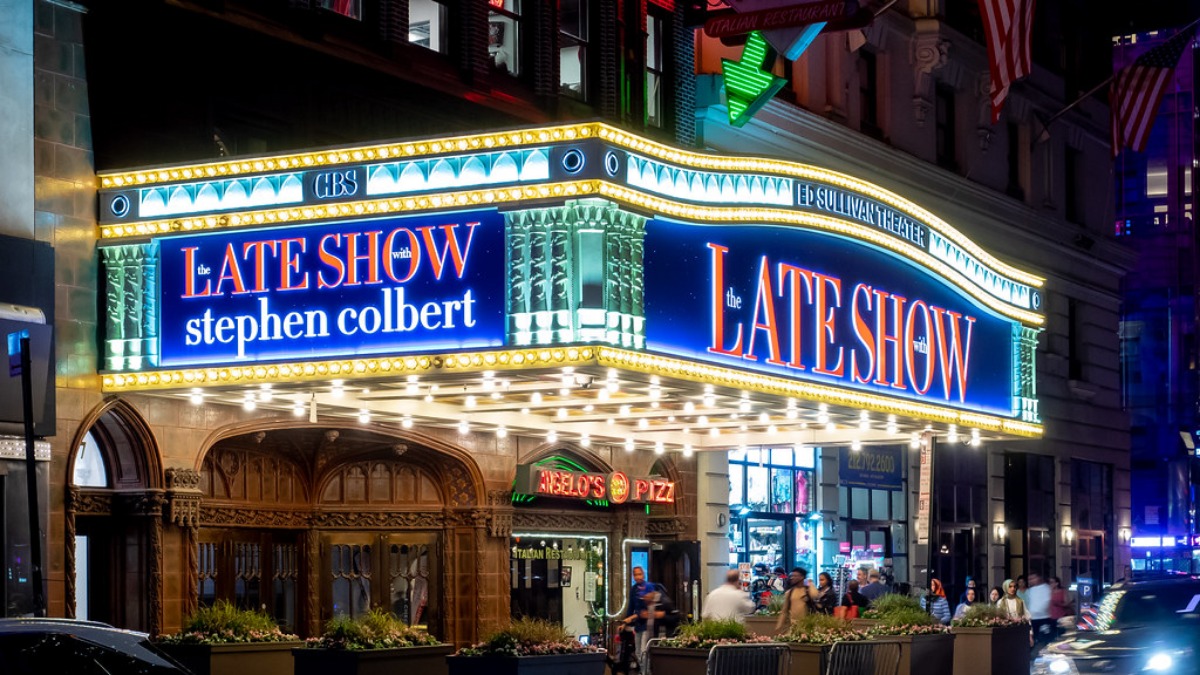
CBS just put a price tag on its late-night gamble, and the numbers are eye-popping. The network claims its deal with media mogul Byron Allen will flip a $40 million annual loss into a $15 million profit, a $55 million swing that executives are calling a bold reinvention of the midnight hour. But the real cost might not be measured in dollars but by the audience that’s already tuning out.
The move comes after CBS pulled the plug on The Late Show with Stephen Colbert, a decision that sparked weeks of backlash and left industry insiders scratching their heads. According to Variety, Colbert’s finale drew a massive 6.7 million viewers. The very next night, Allen’s Comics Unleashed debuted to just 878,000 viewers across two half-hour episodes, one of which was a repeat from last September.
The comparison isn’t fair, exactly. A host’s farewell show – especially a host like Colbert – is always a ratings magnet, while a Friday night repeat in a slot where no other late-night shows air originals is practically designed to flop. Still, the drop-off is stark.
It’s hard not to wonder if CBS just traded a proven winner for a financial Hail Mary
Under the new arrangement, Allen covers all production costs and pays CBS a fixed fee for the time slot, while selling his own ads. No matter how many people watch, CBS gets paid the same. It’s a model that shifts all the risk to Allen while guaranteeing the network a profit – no small feat in an era where late-night ad spending has plummeted nearly 60% since 2017.
Last year, the entire daypart raked in just $209 million, down from $519.7 million at its peak. Colbert’s show alone accounted for 29% of all late-night ad dollars in 2026, meaning his exit could pull even more money out of the format. CBS insists the move is purely financial but the timing, and the politics, tell a different story.
Colbert’s brand of sharp, headline-driven humor made The Late Show the most-watched late-night program on TV, a feat CBS hadn’t pulled off since David Letterman’s reign. But his focus on politics, particularly his frequent jabs at President Donald Trump, may have alienated a chunk of the audience.
Industry chatter suggests Paramount’s leadership, including CEO David Ellison, wanted a softer approach, one less likely to ruffle feathers in the White House. Colbert’s final episodes leaned into the drama, with guests like Letterman calling the executives behind the cancellation “lying weasels.” The message was clear: This wasn’t just about money.
The shift away from Colbert reflects a broader crisis in late-night TV
Once a cultural institution where hosts like Johnny Carson and Letterman ruled as neutral entertainers, the format has splintered into partisan silos. Carson made fun of politicians’ gaffes, not their policies. Letterman feuded with John McCain over a canceled appearance, not his voting record.
Today’s hosts, though, are locked in what feels like a proxy war over free speech and satire. Colbert, Jimmy Kimmel, Seth Meyers, and John Oliver have become a united front, cheering each other on while trading barbs with the Trump administration. Their audiences overlap, their jokes often sound the same, and their ratings pale in comparison to the monolithic audiences of the past.
That homogeneity might be the biggest problem. Late-night was built to be vaudeville in your living room. But as hosts doubled down on partisan humor, they lost the broad appeal that once made the format a must-watch. Colbert’s 2016 Election Night special on Showtime, where he ditched scripts to react to Trump’s victory, marked a turning point. “The last 10 minutes of that election show were honest,” he said in 2017, per Variety.
He added, “After that, we knew I could never do this show without at least attempting to keep my emotional skegs in the water.” The shift worked at first. The Late Show became the ratings leader, and Colbert’s monologues went viral. But as other hosts followed his lead, late-night became an echo chamber, and the audience shrank.
The pandemic only accelerated the decline
Without live audiences, bands, or in-person guests, the shows lost their magic. What was left felt like a podcast or a YouTube clip – easily replaceable by digital alternatives. Younger viewers, in particular, have moved on, preferring bite-sized humor on TikTok or longform interviews on podcasts.
Even the celebrity appearances that once defined late-night are now just as likely to happen on a YouTube series like Hot Ones, where stars answer questions while eating progressively spicier chicken wings. Why stay up until midnight for a scripted interview when you can get the same thing on demand?
CBS isn’t the only network grappling with this reality. NBC’s Tonight Show Starring Jimmy Fallon and ABC’s Jimmy Kimmel Live! are still standing, but their futures are far from certain. The ad dollars that once flowed into late-night are drying up, with marketers chasing younger viewers on streaming and social media.
Sean Wright, chief insights officer at Guideline, estimates that only about 15% of Colbert’s ad revenue will shift to other late-night shows. The rest will vanish from the format entirely. “My guess is that with the departure of Colbert, there will also be a kind of the sunsetting of budgets dedicated to late night,” he says.
(Featured image: ajay_suresh)
Have a tip we should know? [email protected]
Follow The Mary Sue:
