


North Carolina woman speaks Spanish and English but can’t order meat at the carniceria. Then she buys her meat at Sprouts
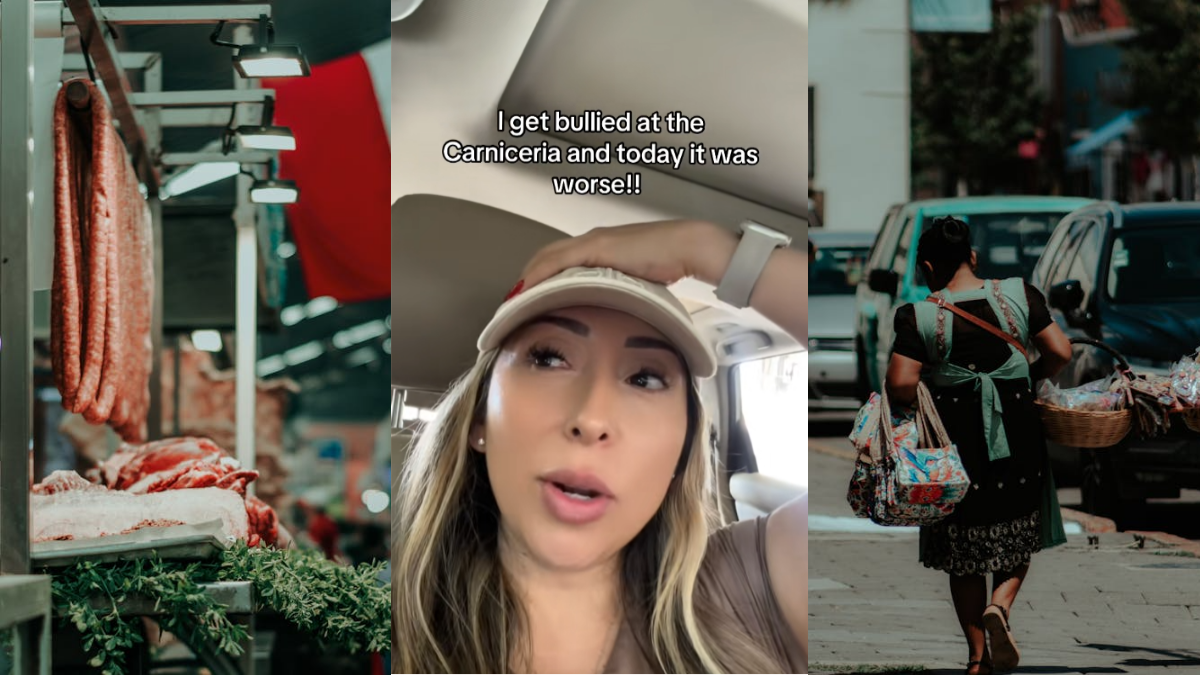
Most bilingual people struggle to translate one thought from another, and this woman from North Carolina just proved that the struggle is real. Romina (@rominasvida) shared a story about a trip to the carnicería (butcher shop) one time. Despite being able to speak Spanish and English, she came out empty-handed—and bullied by her own mother over her Spanish-speaking abilities, too!
“I’m afraid to ask for meat at the carnicería,” Romina confessed on TikTok. Despite being Mexican, she’s not confident with her translation abilities at the carnicería. In a butcher’s shop, there’s a lot of vocabulary to be learned—there are meat types and parts that have dedicated terms.
At some point, even her cousins ask her too many translation questions. The irony is, Romina finds herself relying on YouTube to help her communicate and understand some terms.
A shared bilingual struggle
“One time I went in there, and I was trying to tell the guy I wanted to make milanesa,” she said. She wanted to express that the meat had to be thin, as traditional chicken milanesa cutlets are thin. But Romina failed, and instead, she only said “filete.”
She probably meant to say “filete de pollo,” or “chicken fillet.” Leaving the chicken part out confused everyone in the room. Did she want chicken? Was she asking for beef? Maybe she wanted both beef and chicken fillets? It could even be fish!
Anyone would be scratching their heads at this point. It turns out, even the carcinero (the butcher) got stressed out by Romina. Her “mean” daughter, who was accompanying her, was also starting to side-eye her.
“I know what I’m talking about, but you guys don’t know what I’m talking about!” She expressed, clearly disgruntled for being misunderstood. Most bilinguals can relate, because every language has terms exclusive to the other. Needless to say, the trip failed. Romina went back home empty-handed without her filete.
Did she get her chicken fillet on her second trip?
“I want four pounds of roast,” Romina said in Spanish. Her mother and the butcher both gave her blank looks.
“What kind of roast?” Her mother asked, and Romina turned pale. Her mother did not help her out at all.
Just like in her previous attempt, Romina left out what kind of meat she wanted to get. Assuming she wanted “asada,” she probably meant “arrachera,” a cut of beef used for “carne asada.”
“My mother starts bullying me in front of the carnicero!” She lamented. Her mother started lecturing her on her grammar, and the worst part is that the carnicero was nodding along.
“I told the carnicero, ‘I don’t even know this lady. I don’t know why she’s yelling at me,'” she said in pure horror and shame. Romina then started a spat with her mother—accusing her of bullying her instead of helping her at this horrific moment.
It’s unclear if Romina got the cuts she wanted—whatever roast she was referring to. After that embarrassing moment, she probably didn’t.
“This is why I buy my food at Sprouts,” she said. “I buy my food at Sprouts and Whole Foods.” Markets and groceries have signs in English. The meat might not be as fresh, but it spares anyone from translation woes. Supporting local is always the best option—unless you’re unable to speak with the locals.
(featured images: Mauro Castillo and rominasvida)
Have a tip we should know? [email protected]
Follow The Mary Sue:
