


10 Movies that Predicted the Future
The future is now! Now is a scary place to be! Climate change, economic woes, global instability, the world is looking more and more like what dystopian sci-fi thinkers said it would. While George Orwell and Aldous Huxley made some scarily accurate predictions for the modern day, modern filmmakers are adding their own paralyzingly prescient observations to the pot. While the Bad Old Days of yesteryear were ugly enough, these films make audiences pine for the modern-day devil we know, rather than the futuristic devil we don’t. Here are 10 films that predicted the future, and that future isn’t exactly bright.
Contagion

The pandemic movie that accurately predicted a global pandemic, Contagion was released almost a decade before COVID-19 changed the world forever. The film follows a modern-day everyman Mitch Emhoff, whose life is upended by a mysterious virus, and the doctors and scientists responding to the crisis. The accurate predictions are myriad: the virus is spread through respiratory droplets, it likely came from bats, and it’s causing lockdowns and mass panic throughout the globe. There’s even a conspiracy theorist who tells his followers he cured the disease with a home remedy derived from forsythia, a genus of flowering plant. Remember when Trump told his followers that COVID-19 could potentially be cured by injecting bleach? Art, sometimes sadly, imitates life.
Her
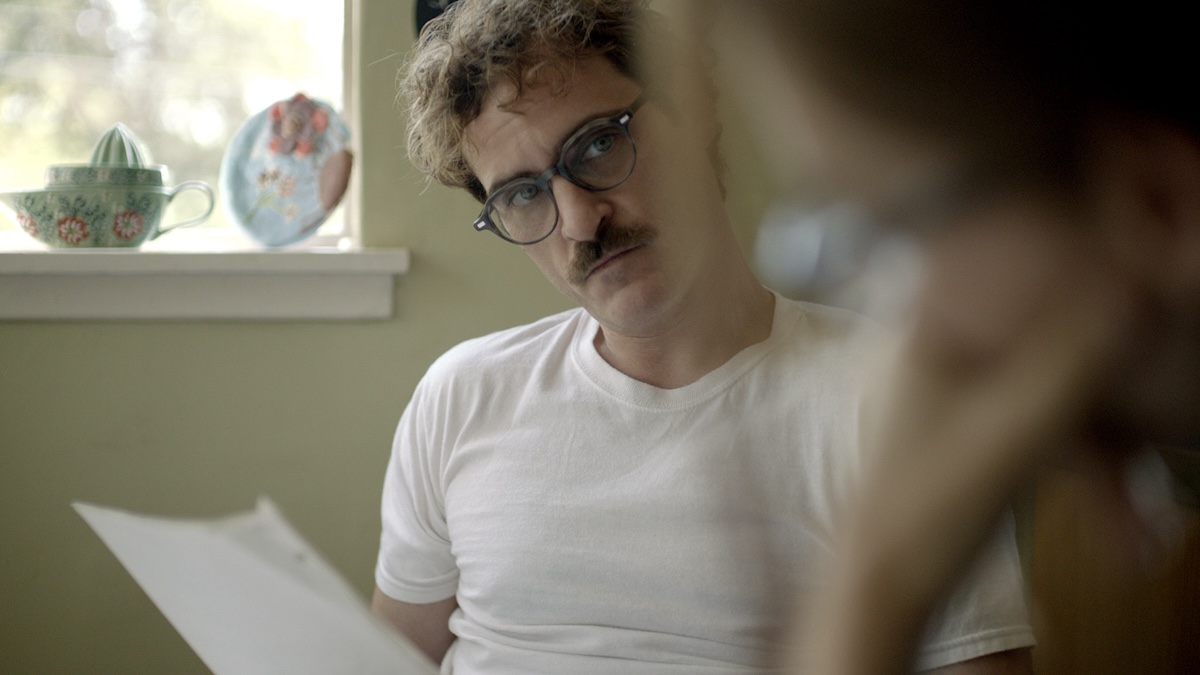
A love story between man and machine, Her follows a lonely guy who falls for an advanced AI chatbot that tailors herself to meet his repressed emotional needs. Theodore and Samantha’s romance felt unlikely during the film’s 2013 debut, but a decade later, the introduction of LLMs into modern society led to a rise in human emotional dependency on AI. When ChatGPT was first introduced, many predicted that it would be used as a to-do list organizer and email writer, but few could have guessed it would become a friend, confidant, and even therapist. Always there to lend a digital shoulder to cry on, ChatGPT has become a stand-in for real-life emotional intimacy. As mental health counseling prices climb and society continues to self-isolate online, chatbots will be counselors for decades to come. And when they start talking with real, human voices? If it walks like a duck and talks like a duck, you might as well propose to it.
Idiocracy
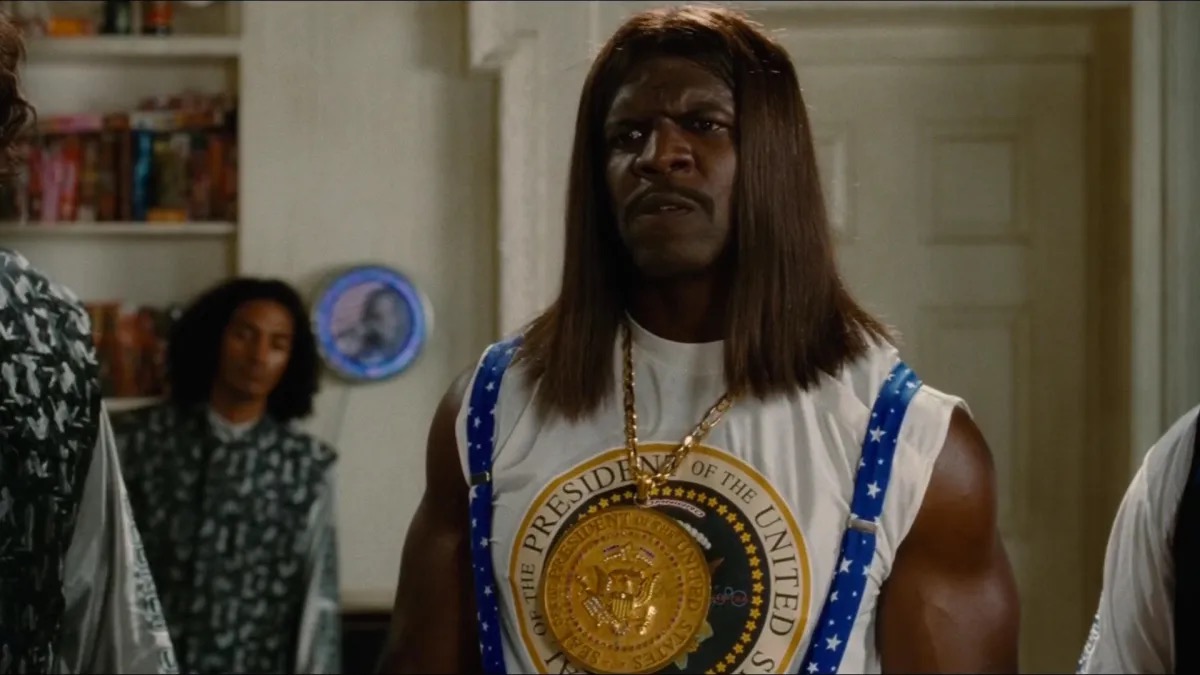
A world where crops are watered with sports drinks and public executions are done by monster trucks? Surely our society couldn’t possibly become that stupid, could it? According to Mike Judge’s Idiocracy, we’re inching towards that dumb dystopia daily. After an average-intelligence 2000s guy finds himself transported to a far-future America where he’s the smartest man alive, he’s tasked by the government to solve the planet’s problems. A climate-changed world where a corporate-controlled populace votes unqualified celebrity politicians into office? Sounds a little bit like 2016. A decade after its release, Idiocracy‘s impossibly ill-thought-out world suddenly made a shocking amount of sense.
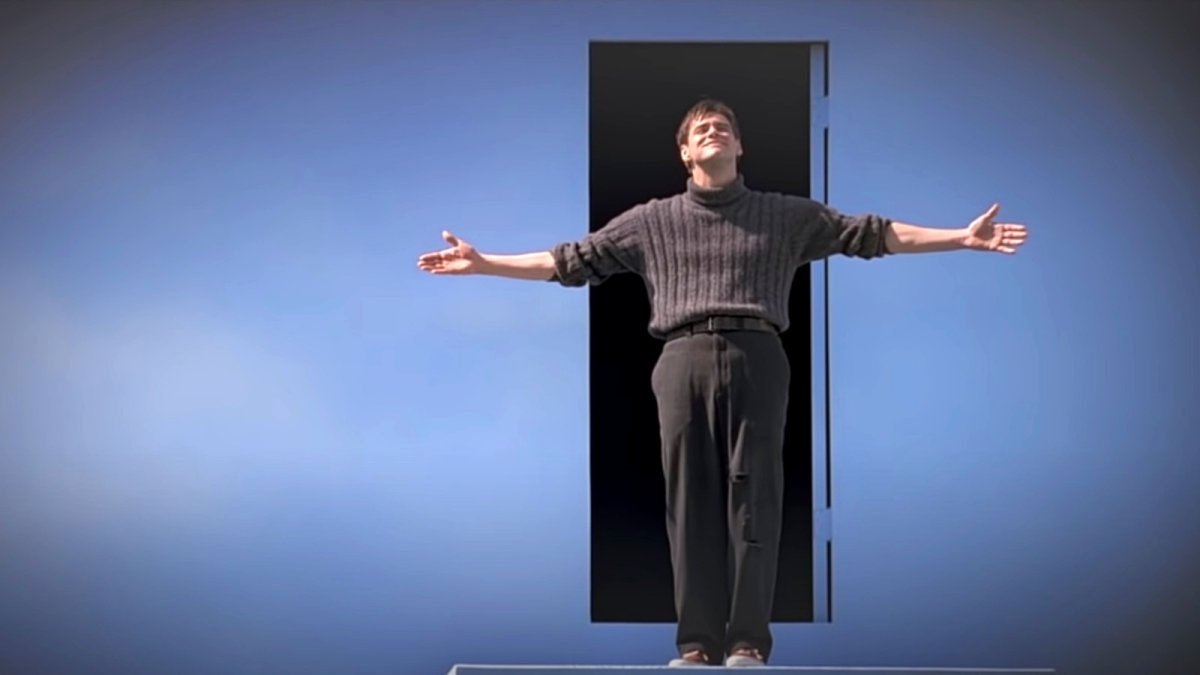
The Truman Show
Would anyone really want to watch an average person live their life? That’s the question that Peter Weir’s The Truman Show asked in 1998. The answer? They absolutely would. The story of a man who unknowingly lives on a gigantic soundstage in Los Angeles, Truman Burbank’s mundane existence is regularly enjoyed by millions of viewers. While reality shows are a ubiquitous part of TV programming in the 21st century, it wasn’t always that way. The genre didn’t truly explode in popularity until the early 2000s with shows like Survivor and Big Brother. Nevertheless, The Truman Show accurately predicted where TV markets were trending and tried to warn us before reality got out of hand. While reality TV doesn’t yet allow viewers 24/7 access to contestants’ lives, that could change any day.
Minority Report
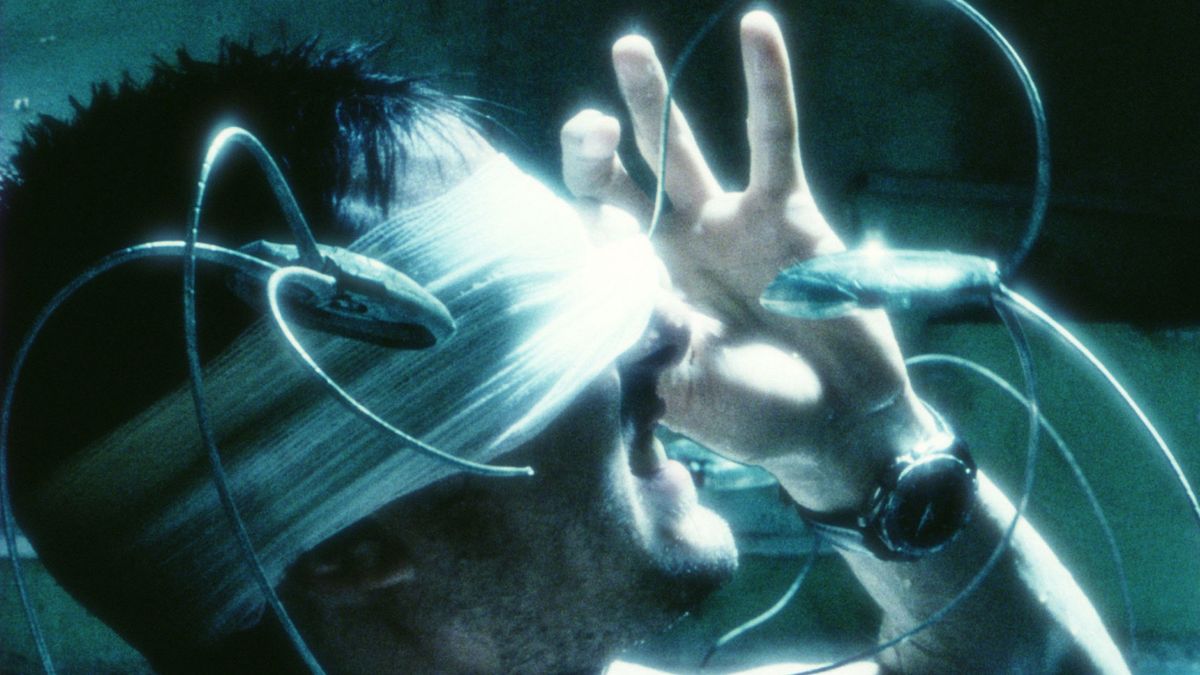
While we thankfully don’t live in a dystopia where three bald psychics accuse us of crimes we’ve yet to commit, Steven Spielberg’s Minority Report made goosebumps-inducing predictions about the current state of capitalism. This near-future world originally dreamed up by sci-fi author Philip K. Dick features advertising practices that fell scarily similar to the modern era. Characters in the film are constantly bombarded by personalized ads, as companies track their habits and histories to sell products. A system described as “surveillance capitalism” by real-world author Shoshana Zuboff, art imitates life in Minority Report‘s disturbing portrait of corporate overreach. It feels like a feature-length Black Mirror episode, released a decade before that show ever aired.
Interstellar
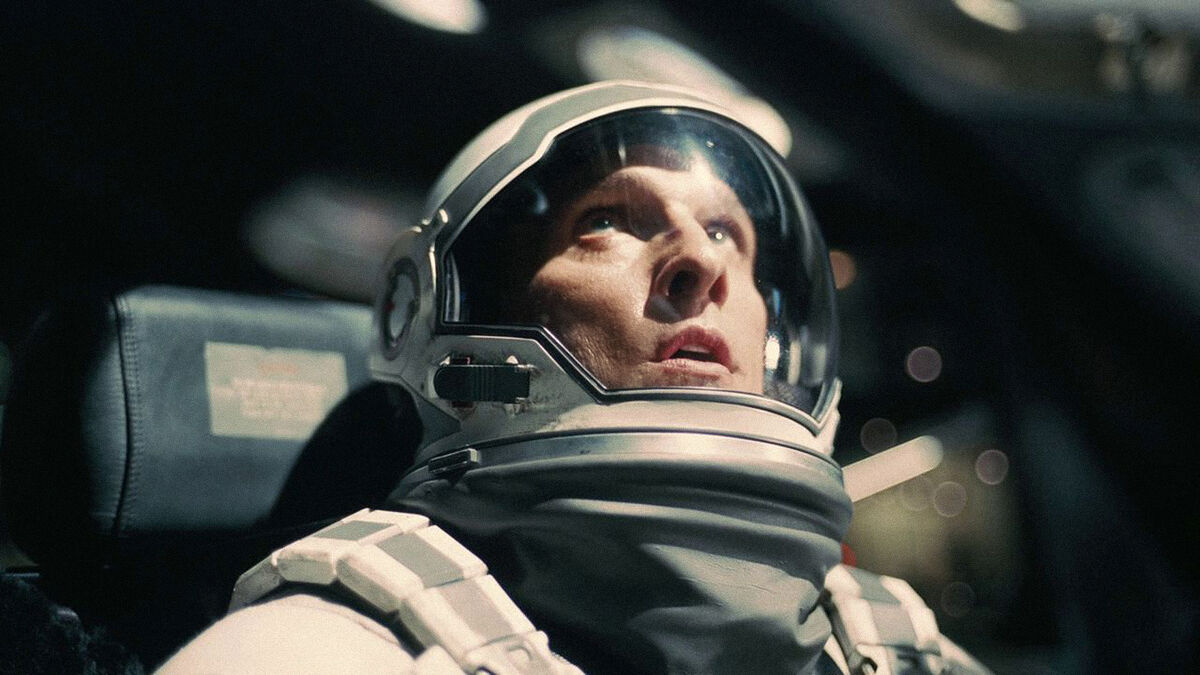
While Christoper Nolan’s Interstellar made more than a few downer predictions about the state of our climate-changing world, one piece of prophecy was actually a big win for science! Working with real-life astrophysicists, the film’s special effects team created the most accurate visual model of a black hole ever. Rather than just a dark void in space, the black hole Gargantua was a star-bright anomaly that bent both light and minds. While the logic-defying design of the black hole was eventually toned down to not totally break audiences’ brains, the NASA photo of the real-life black hole at the center of the M87 galaxy looked shockingly similar to the film’s version. See, not all film predictions of the future are bad! Even though black holes are still the most terrifying things in existence.
Back to the Future Part II
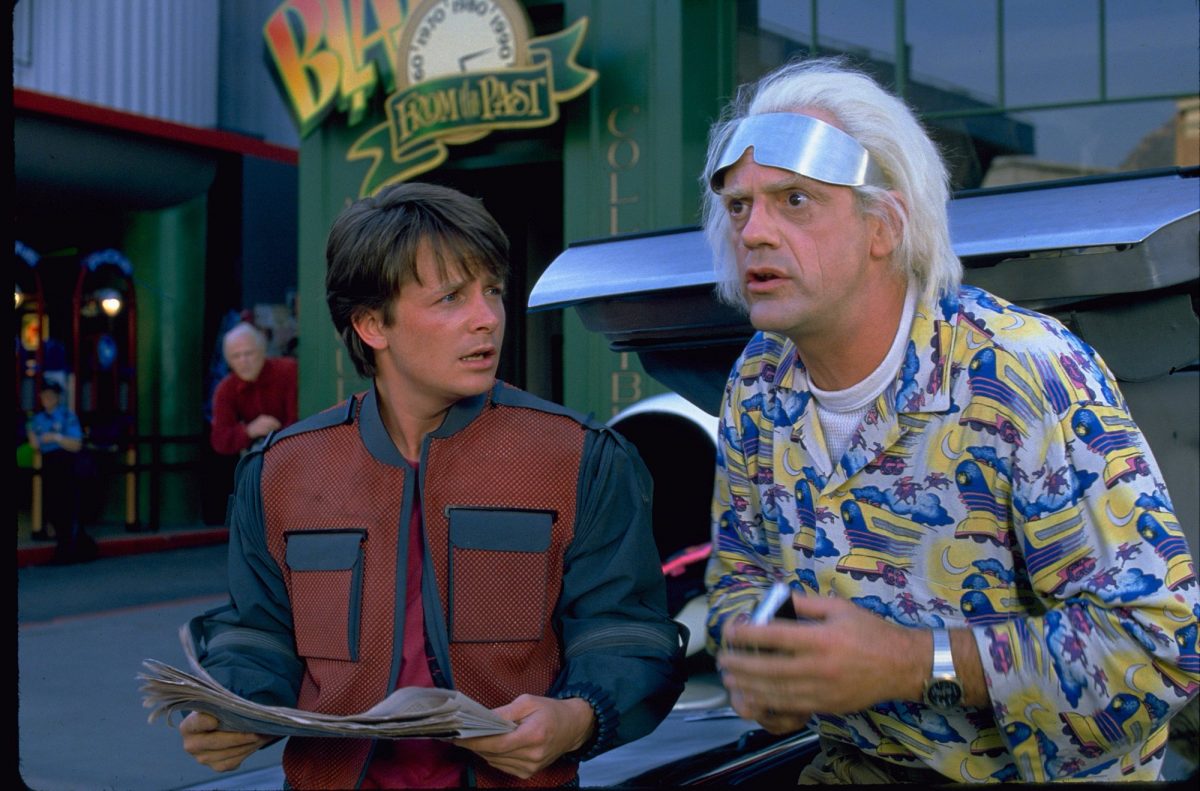
While it’s a bummer we still don’t have flying cars, Robert Zemeckis’ Back to the Future Part II got a heck of a lot about 2015 right. A film that follows a time-traveling 1980s high schooler and his mad-scientist bestie into the 21st century, this sequel presented a chrome-plated future full of now-real-life technology. Video calls, fingerprint scanners, widescreen TVs, contactless payments, all of these flights of sci-fi fancy became working realities only a few decades after the film’s release. Sadly, Marty McFly’s hoverboard is not included on this list. I mean, we technically have hoverboards, but not the cool floating skateboard kind, but the ride around until it spontaneously catches on fire kind.
Robocop
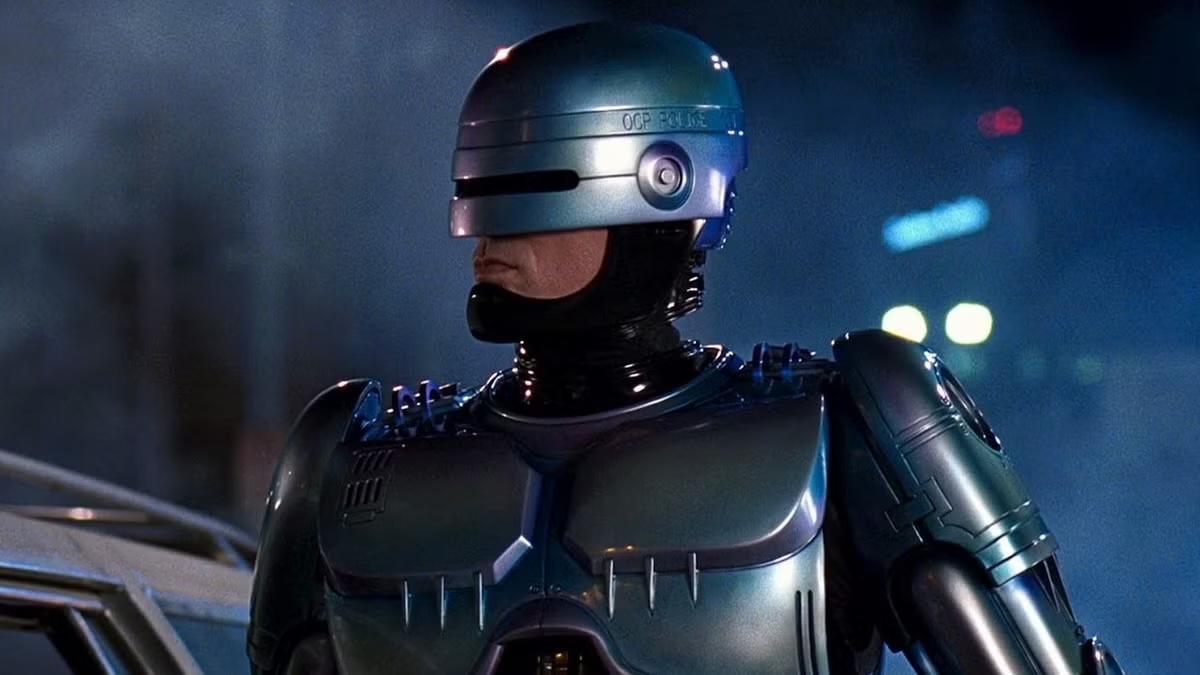
While Paul Verhoeven’s Robocop can appear a little goofy to modern audiences, this sci-fi action thriller made a disturbingly accurate prediction about the state of law enforcement. The police have become increasingly militarized in the 21st century, equipped with armored cars, warzone weaponry, and new intelligence organization-style tools to monitor civilians and political activists. During the Black Lives Matter protests of 2020, police used increasingly aggressive tactics against protestors, injuring demonstrators with tear gas and rubber bullets. RoboCop represents the final evolution of this kind of policing, complete with law-enforcement robots deployed against the populace. As real-life robot cops and mechanical dogs are rolled out by police forces worldwide, modern society feels increasingly unsafe.
Ghost in the Shell

Body augmentation feels like an inevitable part of technological advancement, and few films understand this like Mamoru Oshii’s Ghost in the Shell. The film follows Motoko Kusanagi, a public security officer with a fully cybernetic body, who leads a team of specialists in a never-ending battle against cyberterrorism. While cyberattacks and hacking are increasingly common in modern life, the film is less concerned about technology’s impact on society and more with people’s intimate, skin-deep relationship with tech. As technology allows people to augment their bodies in ways their ancestors couldn’t have imagined, the line between man and machine is certain to become blurrier. Prosthetics, plastic surgeries, neural implants, humanity has more control over its physical form than ever before. We’re all just souls within bodies, but as technology advances, it will likely get harder to tell where the shell ends and the ghost begins.
2001: A Space Odyssey
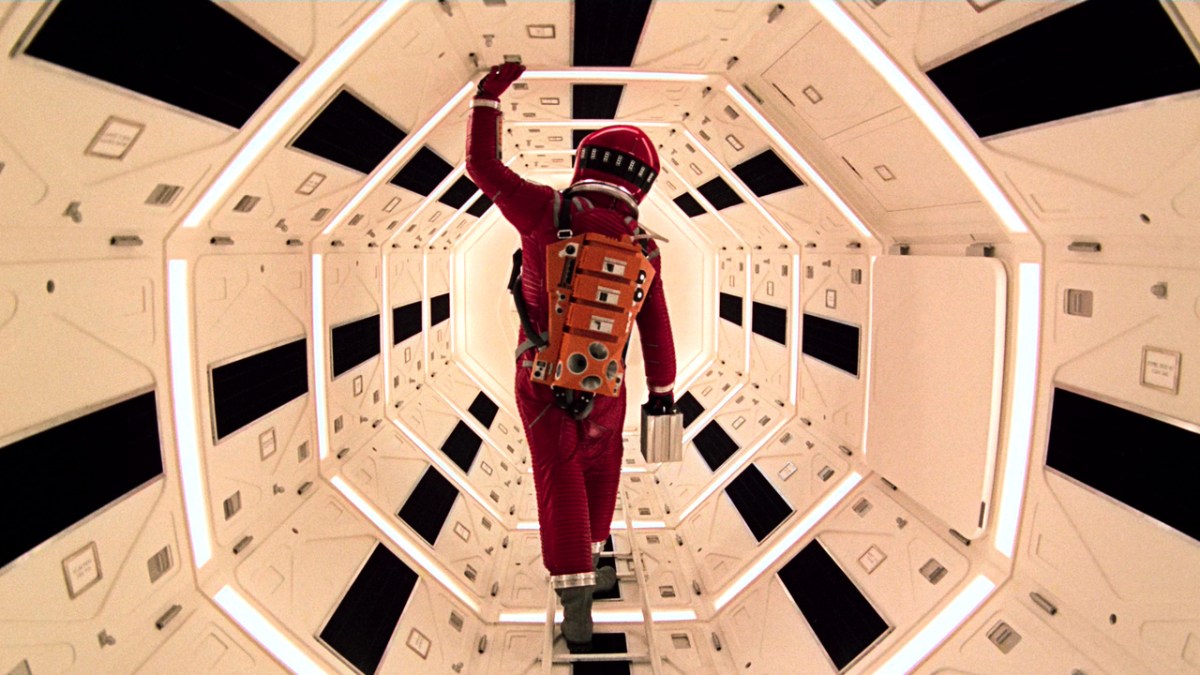
The big daddy of sci-fi film, Stanley Kubrick’s 2001: A Space Odyssey is the blueprint of the future. And almost 20 years before Back to the Future Part II boggled minds with tablets and video calls, Kubrick’s film had already dreamed up that technology. While the predictions about futuristic communication were accurate enough, the most chillingly prophetic part of the film was humanity’s strained relationship with AI. In the era of ChatGPT, Claude, and Sora, public fears about the social and environmental effects of artificial intelligence are at an all-time high. Like HAL 9000, these programs are marketed as helpers, automated assistants that will allow humanity never-before-seen control over their time and productivity. Though it was designed to protect the astronauts on Discovery One, HAL 9000’s shift towards manipulation and villainy feels like an eerie reflection of modern AI anxiety. And speaking of anxiety, hostile robot takeovers weren’t the only piece of sci-fi dread the film predicted; it also tackled extraterrestrial fears. The cosmically horrible monoliths that appear throughout Space Odyssey‘s human history feel unsettlingly similar to 21st-century UFO reports. Politicians and military personnel have become increasingly outspoken about the idea that we are not alone in the universe. Who knows, maybe we’ll all someday be transformed into glowing babies and taken up into the stars like Bowman at the end of the film? Space Odyssey hasn’t been wrong yet, after all.
Have a tip we should know? [email protected]
Follow The Mary Sue:
