


Hasan Piker’s China trip sparked a Gen Z obsession with ‘Chinamaxxing.’ Now activists are calling it cultural appropriation with a geopolitical twist
Trend enters mainstream debate.
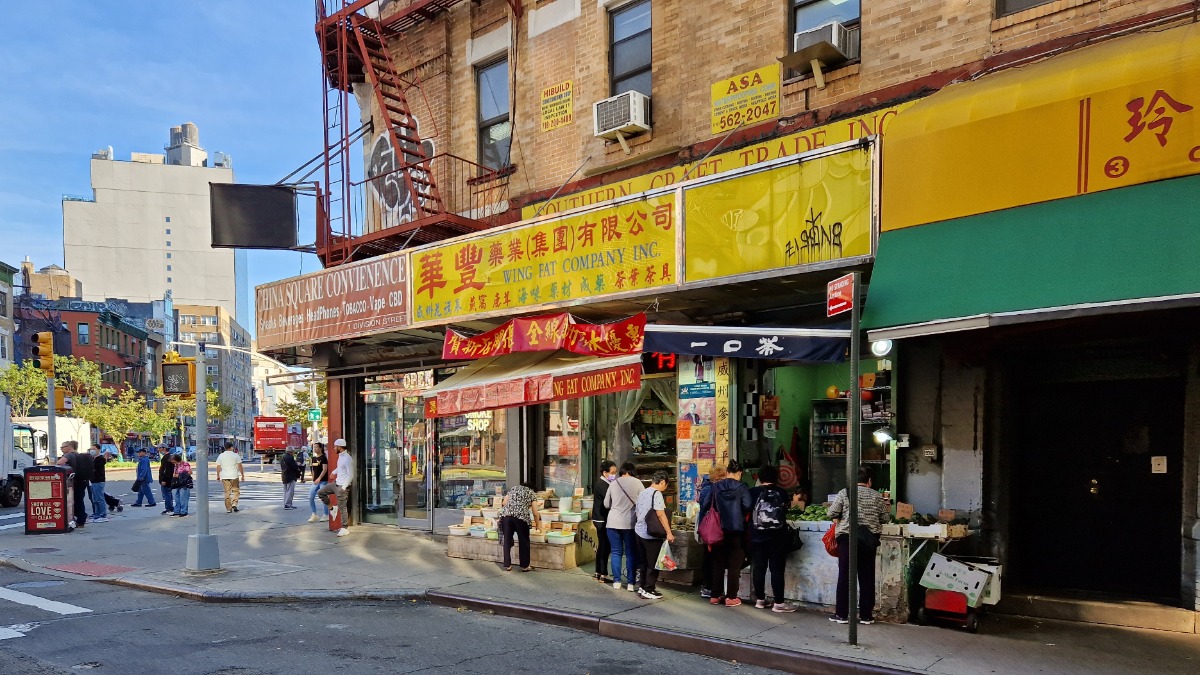
Hasan Piker’s China trip in 2025 has unleashed a full-blown Gen Z phenomenon called “Chinamaxxing,” that activists are slamming as cultural appropriation with a geopolitical edge. The trend, involving adopting Chinese cultural habits like drinking hot water, wearing house slippers indoors, and embracing traditional skincare routines, has exploded on TikTok and Instagram.
Activists argue it reduces Chinese identity to a set of superficial tropes while ignoring deeper historical and political complexities, as per NPR, The term “Chinamaxxing” itself is internet slang, where “maxxing” means going all-in on something. Think “looksmaxxing” for appearance optimization or “healthmaxxing” for wellness tips.
For Gen Z, “Chinamaxxing” signals a shift in lifestyle that’s often framed as a joke but carries real cultural weight. Videos tagged with phrases like “very Chinese time” or “entering my Chinese era” flood social media, showcasing everything from herbal skincare routines to the appeal of China’s high-speed rail systems.
The spark that lit this fire started online
Influencers like Sherry Zhu, who shares tips on becoming a Chinese “baddie”, have helped turn niche lifestyle content into a mainstream trend. Same with livestreamers like Piker and IShowSpeed, who visited China last year and broadcast their experiences to millions. Piker’s streams highlighted China’s high-tech cities, efficient subway systems, and vibrant street life, painting a picture of a society that feels futuristic compared to the U.S.
Piker said, “Life is just getting worse, year over year. I’m buying the Applebee’s cheeseburger you can dip into a vat of melted cheese. But at the same time, those treats are not enough for me to realize things are not great here. And then I turn on TikTok, and all of a sudden I see a video of Chongqing. They’ve got trains everywhere and it’s this fascinating city.”
Supporters praised his streams for humanizing ordinary Chinese people, while critics accused him of being a pawn in China’s soft power campaign. The divide reflects a broader split in how Americans view China. Shaoyu Yuan, a scholar who studies Chinese soft power, says people who see China through political headlines tend to view it as a threat, while those exposed to everyday culture often have a more nuanced perspective.
“It’s probably no accident that Chinamaxxing has flourished on TikTok,” Yuan says. “The platform may operate on multiple levels at once: one track weakens American narrative authority by highlighting U.S. dysfunction, while another makes China look more attractive.”
But not everyone is buying it
Cherie Wong, a Hong Kong Canadian activist, has criticized Chinamaxxing for reducing Chinese identity to a set of clichés. In an Instagram video, she said: “In 2026, it’s apparently cool to be Chinese. But before white people claim they’re drinking hot water and they’re in a very Chinese time, I’mma need you to stop. A very Chinese time in my ancestry was my grandparents seeing all their schoolteachers get executed for being intellectuals.”
For Wong, the trend glosses over the complexities of Chinese history and identity, turning it into a lifestyle aesthetic that’s easy to consume but hard to truly understand. For many Gen Z Americans, though, Chinamaxxing isn’t about geopolitics but about filling gaps in their own lives. The trend romanticizes aspects of Chinese culture that feel out of reach in the U.S., like affordable education, functional public transit, and communal living.
A four-year public university in the U.S. can cost $50,000 to $60,000, while the equivalent in China runs $3,000 to $5,000. American households spend an average of $5,177 a year on healthcare, compared to $350 to $565 in China. Housing eats up 25% to 35% of an American paycheck, while rent in major Chinese cities is often 60% to 70% lower. These stark differences aren’t lost on a generation drowning in student loan debt and facing skyrocketing living costs.
Reid Litman, a consulting director at Ogilvy who studies Gen Z behavior, told Fortune that Chinamaxxing isn’t a rejection of American culture but a reflection of how this generation builds identity. “It’s not Western Gen Z turning against American culture or choosing China instead,” he says. “It’s something much more native to how this generation builds identity and uses the internet.”
The trend is also a critique
The subtext of every “very Chinese era” video is a comparison to the U.S., where young people feel increasingly disillusioned. Youth unemployment in the U.S. hit 10.8% last year, and a third of Gen Z believes they’ll never own a home. The promise of the American Dream feels broken and the Chinese government has taken notice.
The Chinese ambassador to the U.S. has publicly cited the trend while pushing for expanded tourist visas, and state outlets like Global Times have begun amplifying it. But there’s a catch: state embrace can kill soft power. What starts as a genuine cultural moment can quickly turn into propaganda the moment official fingerprints appear.
As Litman points out, “There’s little to suggest a top-down push driving this specific behavior. What’s more evident is a shift in tone – compared to the COVID era, the posture now feels more curious and less distant.” It’s crucial to note that the comparison is also oversimplified. China has its own challenges, like lower wages and high youth unemployment, which rarely make it into the viral clips. Still, the videos don’t need to be perfectly accurate to resonate.
For Chinese Americans, the trend is a mixed bag. Some see it as a long-overdue appreciation of their culture, while others view it as another form of Orientalism of reducing a 5,000-year-old civilization to a lifestyle aesthetic.
(Featured image: Jakub Hałun)
Have a tip we should know? [email protected]
Follow The Mary Sue:
