


Pentagon scraps flu shot mandate for troops after Hegseth calls it a threat to ‘warfighting capabilities’
More vaccine policy changes.
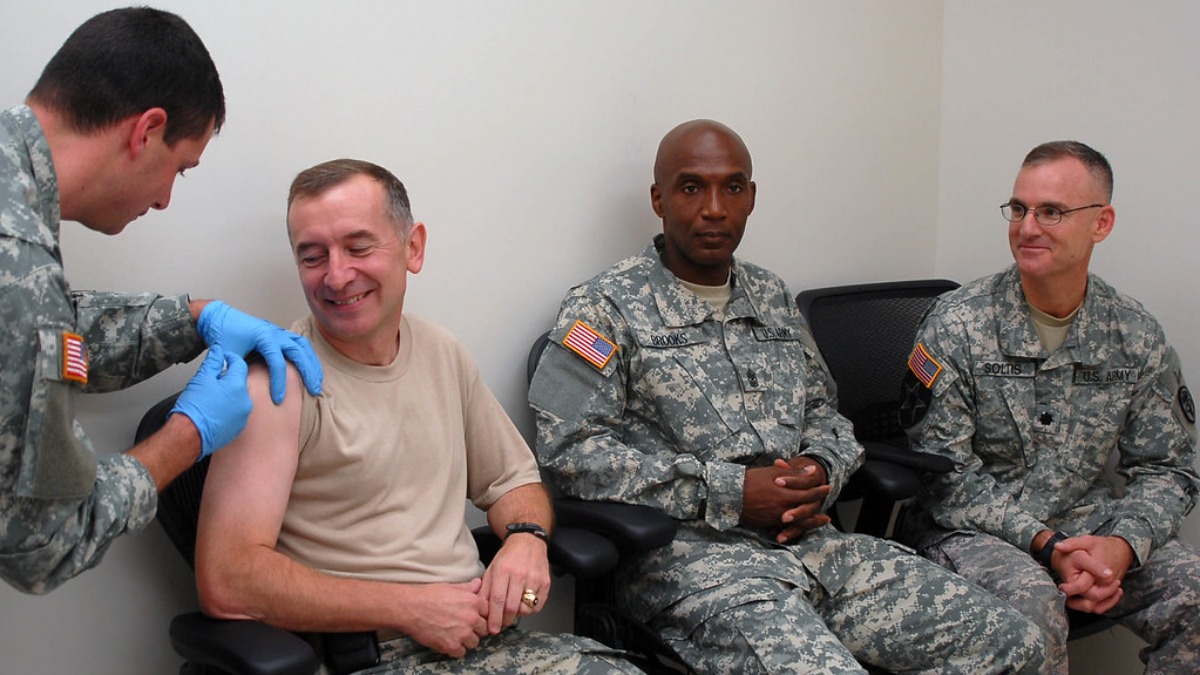
The Pentagon just scrapped its mandatory flu shot requirement for service members, a move Defense Secretary Pete Hegseth framed as a win for “medical autonomy” and religious freedom. In a video on April 21, 2026, Hegseth called the old policy an “absurd, overreaching mandate” that weakened warfighting capabilities by forcing troops to choose between their conscience and their country.
According to The Hill, the change, outlined in a brief memo, goes beyond last May’s policy that already carved out flu shot exemptions for reservists. Now, the vaccine is optional for all service members, no matter the circumstances. Hegseth’s announcement didn’t come out of nowhere. It’s the latest in a string of vaccine policy reversals that have been rolling out since the start of this administration.
The Pentagon has been on a mission to undo what it calls “overreach” from the previous administration, including offering back pay and reenlistment opportunities to the more than 8,000 service members discharged for refusing the COVID-19 vaccine. So far, fewer than 200 have taken the offer, but the gesture alone signals a major shift in how the military views vaccine mandates.
The move is part of a broader push to reshape how the U.S. approaches vaccines across the board
Earlier this year, the CDC, under Trump-appointed leadership, slashed the number of recommended vaccines for children, removing protections against rotavirus, influenza, meningococcal disease, and hepatitis A, per Al Jazeera. The decision was made without the usual expert review.
Health groups like the American Medical Association and the American Academy of Pediatrics have been sounding the alarm ever since. They argue the changes undermine public trust and put kids at unnecessary risk. The new CDC guidance frames these vaccines as optional, only recommended for high-risk groups or when doctors suggest them through “shared decision-making.” But critics say the move is less about science and more about politics.
Health Secretary Robert F. Kennedy Jr., a longtime vaccine skeptic, has been at the center of these changes. In May, he announced the CDC would no longer recommend COVID-19 vaccines for healthy children or pregnant women, a decision that public health experts called unjustified. By June, he’d fired the entire 17-member CDC vaccine advisory committee, replacing them with his own picks, many of whom share his skepticism.
In August, the administration cut funding for mRNA vaccine development, a move health experts warned could leave the U.S. vulnerable to future outbreaks. Then, in November, Kennedy directed the CDC to abandon its long-standing position that vaccines don’t cause autism, again without providing new evidence.
The administration has defended these changes as necessary to “rebuild trust” in public health, but the backlash has been fierce. States are now forming their own alliances to counter the federal guidance, and medical groups are warning that the U.S. is backsliding on decades of progress.
Hegseth’s announcement ties directly into this larger narrative
The Secretary of War didn’t just call the flu shot mandate unnecessary – he called it irrational. “The notion that a flu vaccine must be mandatory for every service member everywhere in every circumstance at all times is just overly broad and not rational,” he said. That’s a far cry from the military’s traditional approach to vaccines, which has long prioritized readiness and unit cohesion.
But under the Trump administration, personal choice is taking center stage, even when it comes to something as routine as the flu shot. It’s worth noting that this isn’t the first time the Pentagon has walked back a vaccine mandate. The COVID-19 vaccine requirement was one of the first to go after the administration took office, and now the flu shot is following suit.
The message is clear: the military is moving away from top-down mandates and toward a model that gives service members more say in their own healthcare. Whether that’s a good thing depends on who you ask. Supporters say it’s about respecting individual rights and religious convictions. Critics worry it could erode military readiness, especially if service members start opting out of other vaccines down the line.
For now, the policy change is official, and the Pentagon is framing it as a step forward. But with vaccination rates slipping and preventable diseases on the rise, the long-term impact remains to be seen. One thing’s for sure: this administration isn’t done reshaping how the U.S. handles vaccines, and the ripple effects will be felt far beyond the military.
If you’re in the armed forces, you now have the freedom to skip the flu shot. If you’re a parent, your kids might not be getting the same protections they used to. And if you’re a public health expert, you’re probably bracing for what comes next.
(Featured image: Fort George G. Meade)
Have a tip we should know? [email protected]
Follow The Mary Sue:
