


Wheelchair-bound woman worked in retail as a ‘welcome person,’ but every customer tried to put money in her bottle: ‘They thought I was a charity’
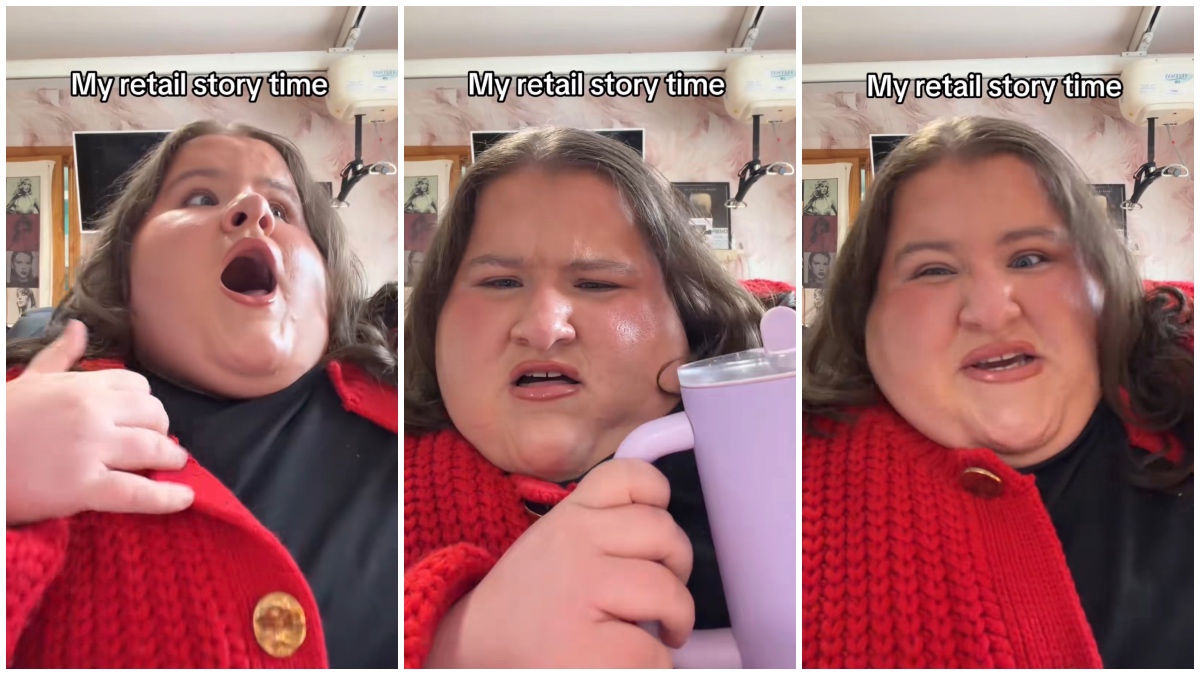
The Christmas season is often the busiest time for retail workers. But for creator Hannah C. Black (TikTok/@hannahcblack), a two-week seasonal stint became a recurring lesson in public bias.
In a “retail story-time” video, Hannah detailed how her role as a “welcome person” was overshadowed by customers who couldn’t see past her wheelchair. The incident shows the traumatic reality of being treated as a charity while simply trying to work as a person with disability.
A seasonal ‘welcome person’ role at a retail store turned into a series of awkward encounters
Hannah was hired for a two-week period over the Christmas holidays to assist customers as they entered the store. Her primary responsibility was to greet shoppers and help them get “sorted” with whatever they needed.
During her shifts, she kept a large water bottle with a handle hooked over her wheelchair’s controller for convenience. However, customers turned her convenience into trauma as they walked past her.
Shoppers mistook her personal water bottle for a collection jar
The “story time” took a frustrating turn when Hannah noticed a pattern among the holiday shoppers. Despite her employee status, nearly every customer who approached her attempted to drop money into her water bottle.
“At first, I was like, ‘What? No, it’s my water bottle. Why are you trying to put money in my water bottle?'” she recalled, initially finding the confusion absurd. But the confusion soon turned traumatic, forcing her to leave her job.
The creator is citing ‘traumatic’ repetition as her reason for leaving retail
It quickly became clear that the shoppers assumed Hannah was raising money for charity because she was in a wheelchair. While the mistake felt like a “funny” misunderstanding at first, the constant repetition, happening with “every single customer,”drained the humor from the situation.
Hannah described the experience as “kind of traumatic.” She stated that she has no plans to return to the retail environment anytime soon. And only the ignorant shoppers are to blame.
What is the “Charity Gaze”?
Hannah’s experience is a visceral example of “infantilization” and the “charity gaze.” It’s where individuals with disability are viewed through a lens of pity rather than as capable professionals. By assuming Hannah was a collection point for a cause rather than a paid employee, the customers effectively devalued her professional presence.
Despite advancements in workplace inclusivity, these ingrained social biases persist. They often force disabled workers to perform the “emotional labor” of correcting strangers while simultaneously performing their actual job duties.
How to be a respectful shopper?
If you’re out shopping and want to support inclusive hiring, keep some etiquette tips in mind. As soon as you step into a store and come across anyone, see the uniform. Look for name tags, branded lanyards, or store-specific vests. If someone is greeting you at the door, they are likely a staff member, regardless of their mobility device.
Always remember to acknowledge the job. Treat a disabled employee exactly as you would any other worker. Ask for the location of an item or store hours, and avoid making comments about their health or equipment.
If you genuinely believe someone is raising money, look for official signage or a sealed, branded collection box. Dropping coins toward someone’s personal equipment is a major breach of personal space and dignity.
As Hannah noted, being treated as a charity while at work can be “traumatic.” Your good deed might actually be making a professional’s day significantly harder. So, respect professional boundaries.
Retail is hard enough without the added bias
Hannah’s story is a sobering reminder that “inclusion” isn’t just about hiring. It’s even more about how the public treats those who are hired. While the customers may have meant well, Hannah still wanted to remind us that a wheelchair is a tool for work, not a signal for spare change. So, keep that in mind, keep your money in your wallet, and your focus on the “welcome.”
Have a tip we should know? [email protected]
Follow The Mary Sue:
