


VisionQuest’s creator says no generative AI was used, so the set’s AI-style mistakes were built by hand
Marvel's new series deliberately built an AI world full of disconnected furniture, repeated images and other strange visual quirks without using generative AI.
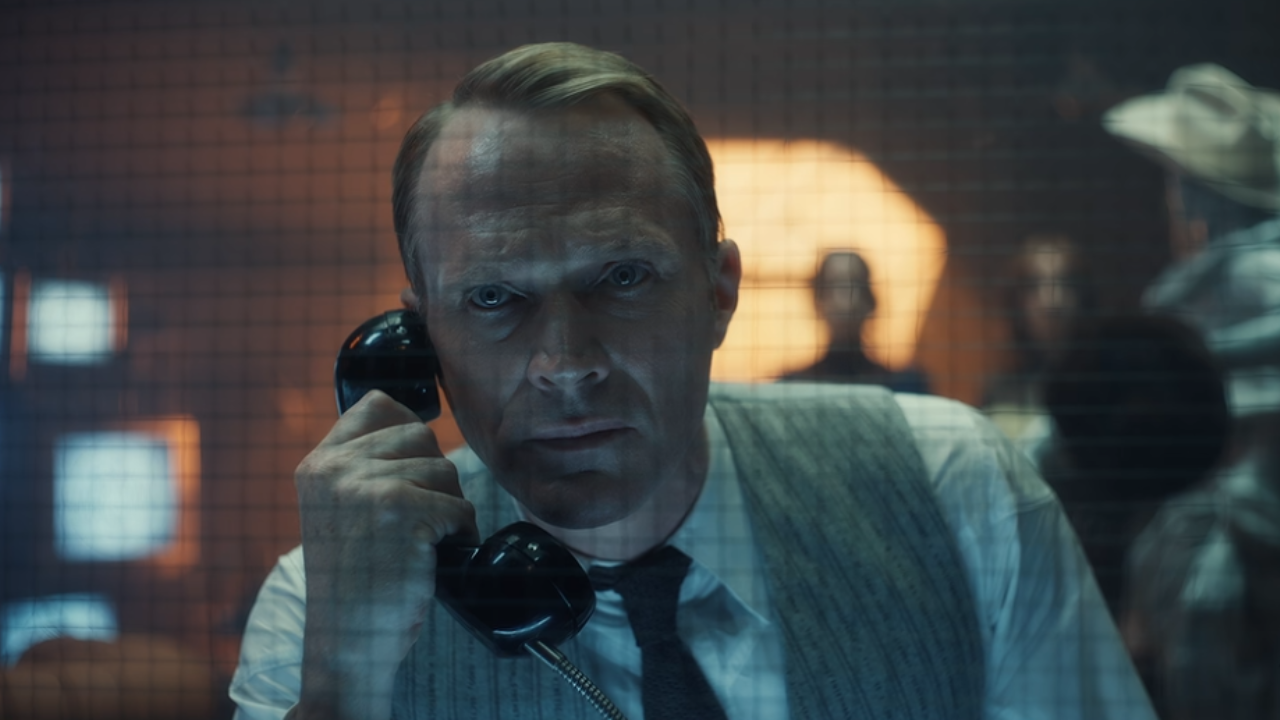
The VisionQuest team built a chair halfway into a wall. A stair banister stops before it reaches where it should. Sunflowers, oranges and lemons keep appearing throughout the same house, sometimes in places that make absolutely no sense. They look like the kind of mistakes an AI image generator might make, which is exactly why they are there.
VisionQuest follows the resurrected Vision as he enters a world filled with AI personas, giving the production a very specific visual problem to solve. How do you make something look like AI created it without actually using generative AI? According to creator Terry Matalas and production designer Will Hughes-Jones, the answer was to have humans recreate the weirdness themselves.
Matalas told ScreenRant during a set visit, as Deadline reported, that the Disney+ series, which premieres Oct. 14, used no generative AI during production. “There hasn’t really been a need,” he said, explaining that the designs instead “nod to how our current form of AI processes things.” The result is a house inside Vision’s mind where the details look just wrong enough to make viewers wonder whether they missed something.
Marvel previously used generative AI for the opening title sequence of Secret Invasion in 2023, which drew criticism.
The team recreated AI’s mistakes by hand
That idea comes to life inside the Mindscape. The space brings human versions of Stark’s AIs to life, including EDITH, FRIDAY, JARVIS, DUM-E, U and Ultron, while the house itself feels subtly broken.
Sunflowers, oranges and lemons repeat throughout the house, including in picture frames. Some furniture even incorporates flowers and fruit into its construction.
Those details are easy to dismiss as set dressing when viewed individually. Together, they create a space that feels as though it follows a visual logic of its own. The Mindscape looks familiar enough to recognize as a house, but the longer Vision spends there, the more the details start to feel disconnected from reality.
That was intentional. Hughes-Jones described the process as using human creativity to emulate the kinds of “creations” an AI system might have produced, rather than actually asking AI to create them.
VisionQuest’s AI world gets weirder the longer you look
The Mindscape has plenty of tricks hiding behind its deliberately misplaced furniture. One wall uses lycra, so crew members can stand behind it and shove their hands through to grab Vision when he becomes stressed. Elsewhere, door frames collapse into wonky shapes, grates slam shut over doors, and an elevator flashes its lights.
The windows get their own strange treatment. Instead of a normal view outside, Vision sees a background inspired by Windows XP that changes colors depending on his mood, making the entire world feel like a piece of malfunctioning software.
The designers also packed the house with computer jokes. Its refrigerator holds milk cartons with Wi-Fi symbols and battery levels, while fake products include Visto gravy, Ram instead of Spam and Firewall hot sauce. The Mind Stone, which played a role in Wanda’s origin, keeps turning up throughout the house, too.
The result makes the Mindscape feel like a computer trying to figure out how a house should look. Hughes-Jones and his team took the strange repetitions and visual mistakes associated with AI imagery and physically built them into the set. The fictional AI may be doing the thinking, but humans had to build all of its mistakes.
Have a tip we should know? [email protected]
Follow The Mary Sue:
