


Trump has a meltdown after NYC slaps a new tax on empty penthouses owned by billionaires like his buddies
Right on cue.
New York City just dropped a new tax on empty luxury penthouses, and the backlash is already getting loud. The proposed pied-à-terre tax targets second homes worth over $5 million, and it’s expected to pull in $500 million a year from about 13,000 properties. The goal? Fund child care, housing, and other city services. But not everyone’s on board, especially not the president, who called out Mayor Zohran Mamdani, accusing him of “destroying New York.”
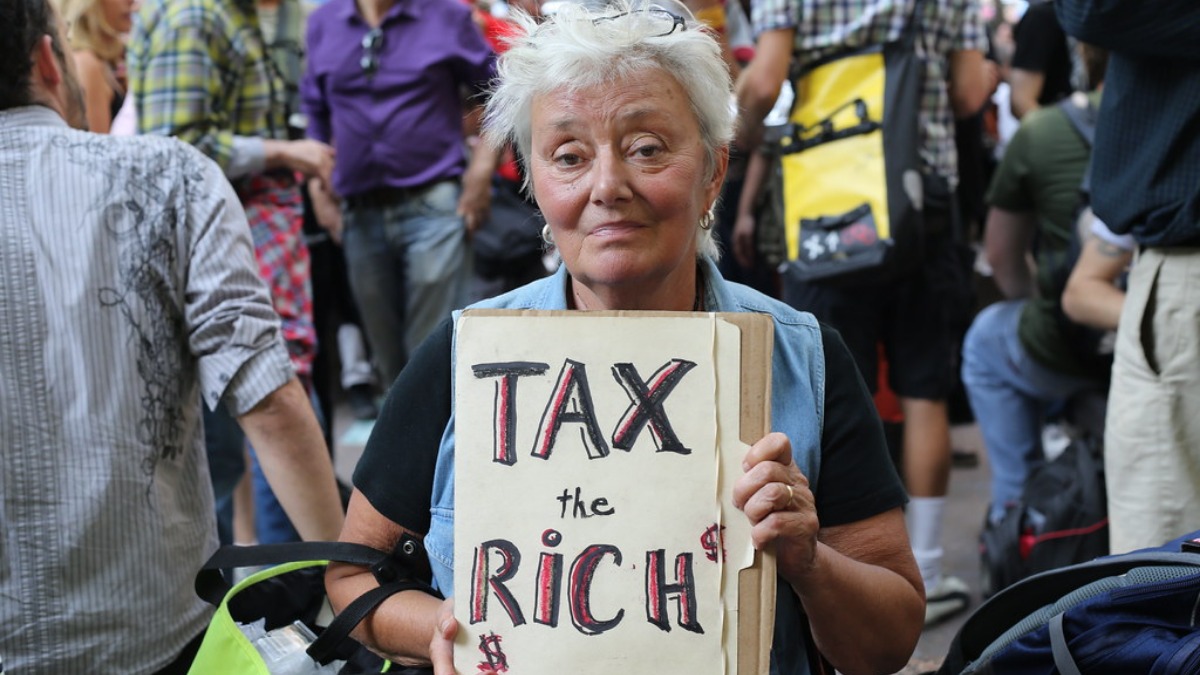
The tax itself isn’t exactly new but this is the first time it’s gained real traction with both the mayor and Governor Kathy Hochul backing it. According to NBC New York, Hochul, who once promised not to raise taxes, is now calling it a “surcharge” instead of a tax, while Mamdani is all in on the “tax the rich” messaging. The difference in wording might seem like semantics, but it’s a big deal politically.
Hochul’s trying to thread the needle: raise revenue without scaring off wealthy residents in New York City who keep the economy humming. Mamdani, on the other hand, is leaning hard into the progressive playbook, framing this as a way to make the ultra-wealthy pay their fair share.
The president’s reaction to the news was swift and harsh
In a Truth Social post, he wrote, “Sadly, Mayor Mamdani is DESTROYING New York! It has no chance! The United States of America should not contribute to its failure. It will only get WORSE. The TAX, TAX, TAX Policies are SO WRONG. People are fleeing. They must change their ways, AND FAST. History has proven, THIS ‘STUFF’ JUST DOESN’T WORK.”
Later, at a roundtable in Las Vegas, he doubled down, calling Mamdani’s policies “no good” and warning that they’d drive people out of the city. “He’s chasing people out and causing a lot of harm to everybody,” he said. “I mean, everybody’s taxes are going through the roof.”
Mamdani, for his part, isn’t backing down. He hit back saying 93% of New Yorkers support the tax and that the revenue would go toward “improving child care, housing, access to resources, and more.” He also made it clear he’s not worried about the president’s opinion.
“The president and I both want the city to succeed. This is how you do it,” he said. “I’ve made it clear to the president, and to the public, that I am deeply supportive of taxing the rich, and taxing non-resident secondary homes worth more than $5 million falls right within that.”
The tax is still far from a done deal. It needs approval from state lawmakers, who are already months behind on the budget. Hochul’s office has been careful to frame this as a targeted measure, not a broad tax hike. “If you can afford a $5 million second home that sits empty most of the year, you can afford to contribute like every other New Yorker,” she said.
Many others have been extremely critical too
Republican gubernatorial candidate Bruce Blakeman called it a “war on homeownership and the American Dream,” warning that wealthy property owners would flee the city, taking jobs and business with them, per NBC New York. Real estate insiders are also sounding the alarm. Gary Malin, COO of the Corcoran Group, said the economic impact could be “net neutral, if not negative,” if the tax drives away high-net-worth residents.
Not everyone’s against it, though. City Council Speaker Julie Menin called the proposal “smart” and “sensible,” while the New York Working Families Party praised it as an “important first step.” But even supporters admit this isn’t a magic fix. Jasmine Gripper, the party’s director, said, “The wealthiest New Yorkers must still pay their fair share. There is still a gap in revenue to fund the major programs working families need from healthcare to housing. Our work is not done.”
So what’s the real story here? Is this a long-overdue way to make the rich pay up, or a risky move that could backfire? The truth probably lies somewhere in the middle. New York’s budget is in rough shape, and something’s got to give. The pied-à-terre tax is a creative way to tap into a source of wealth that’s often shielded from traditional taxes, empty luxury apartments owned by billionaires and global elites who don’t even live in the city.
But it’s also a gamble. If wealthy owners decide to sell or just stop buying, the city could lose more than it gains. For now, the tax is still just a proposal, and the debate is heating up. Mamdani’s office is pushing hard, framing it as a way to “balance our budget by taxing the ultra-wealthy and global elites.” Hochul’s walking a tightrope, trying to sell it as a responsible surcharge while avoiding broader tax hikes.
And the president? He’s just adding fuel to the fire, painting this as another example of “blue state” overreach. The pied-à-terre tax is a test case for whether progressive policies can actually work in a place where wealth and power have always called the shots.
(Featured image: WarmSleepy)
Have a tip we should know? [email protected]
Follow The Mary Sue:
