


The 10 Most Influential Trans Characters in TV History

When it comes to TV history, trans representation has been historically lacking. While one of the first sympathetic portrayals of a trans character on TV appeared in a 1977 episode of The Jeffersons, the actor playing the character was cis, and this lack of real representation plagued trans roles for decades. In the years to come, trans characters rarely appeared on television, and their portrayal by a trans person was even rarer. Thankfully, things have changed in modern times, and TV and film have entered into a new era of trans visibility. While trans representation still has a long way to go, the trail was blazed by 10 groundbreaking roles — these are some of the most influential trans characters in TV history.
Nomi Marks — Sense8
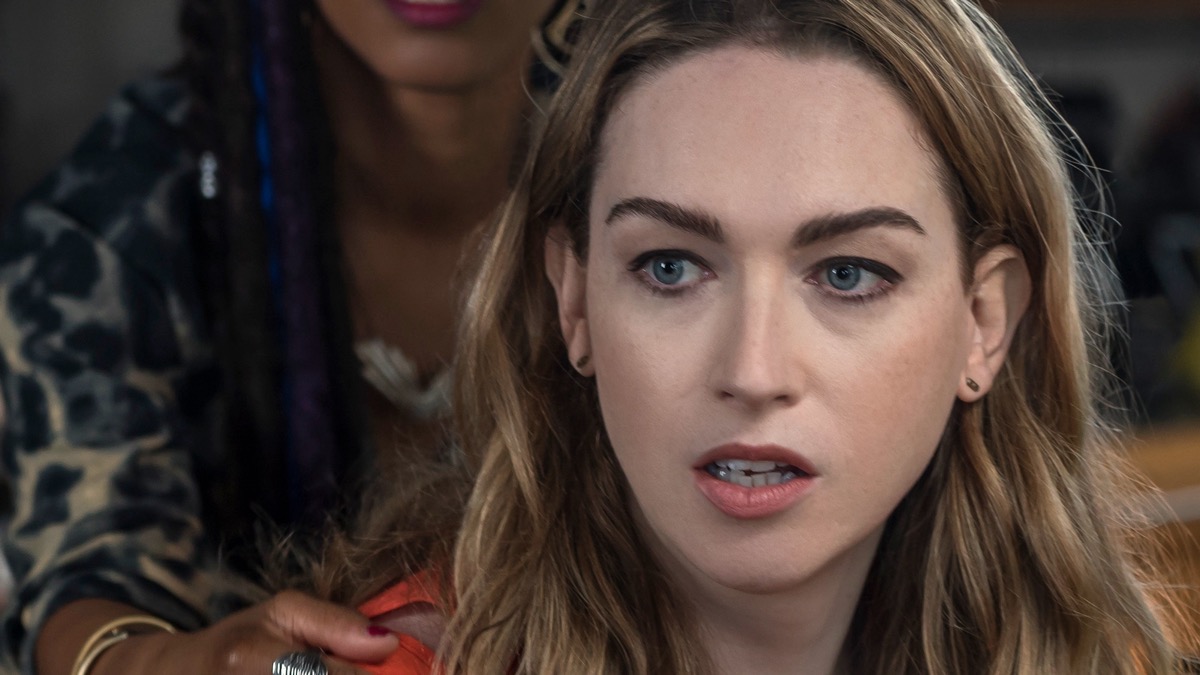
Created by the Wachowskis, Sense8 was a groundbreaking TV show that pushed the boundaries of sexuality and gender. Like the Wachowskis’ earlier film The Matrix, the series served as a parable for the trans experience, featuring one of the most nuanced trans protagonists in TV history. One of eight unrelated people who share a budding psychic connection, Nomi is a trans woman who is in full control of her fate. Unlike many trans characters in TV history, Nomi isn’t a side character or a suffering victim. She has a strong vocation, a healthy love life, and full agency over her own choices. She was one of the first major trans characters on a TV show who not only survives her challenging circumstances, but thrives in them.
Sophia Burset — Orange Is The New Black
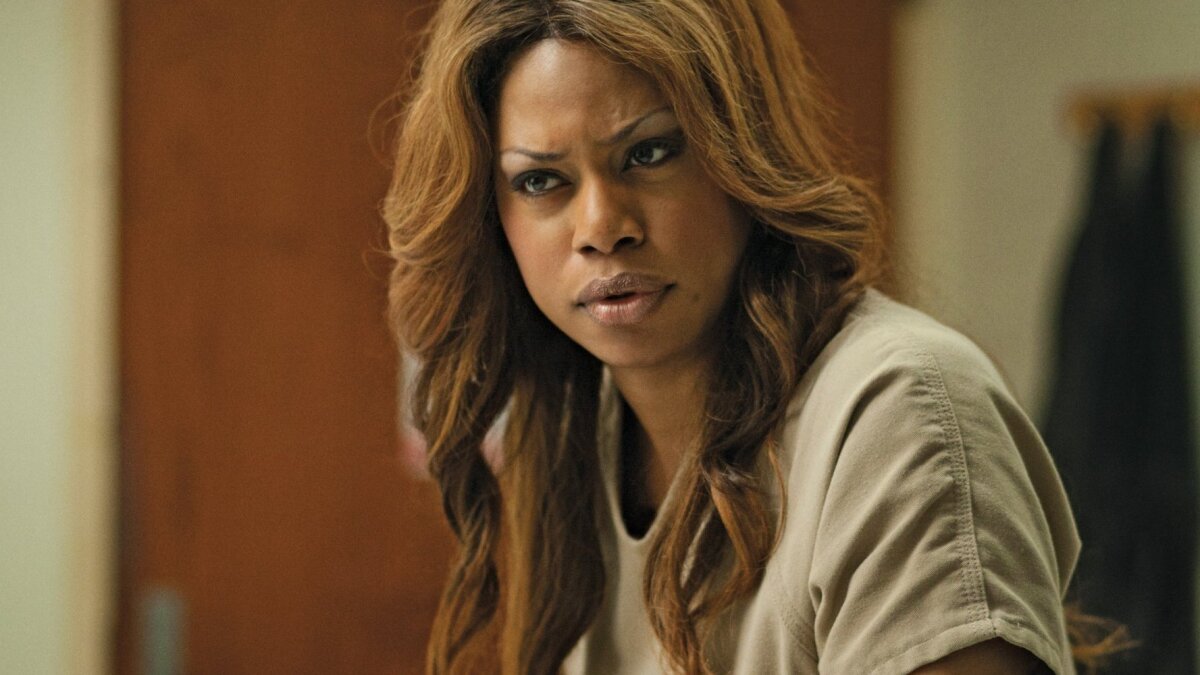
One of the most groundbreaking trans icons in the modern era, Orange Is The New Black‘s Sophia Burset was one of the first trans characters to have a regular role on a mainstream TV series. Shedding light on the struggles that trans women face within the United States prison system, Burset was a compelling reminder of the hardships faced by an often overlooked subsection of the incarcerated population. More than just a victim of the justice system, Burset is a complex character with her own passions, motivations, and personal history — a far cry from one-dimensional trans characters past who were relegated to one-episode appearances or villain roles. She was played by Laverne Cox, who at the time was one of the few trans actresses in history to land a major role on television. In 2014, Cox became the first openly trans person to be nominated for a Primetime Emmy Award — paving the way for trans performers in the years to come.
Viktor Hargreeves — The Umbrella Academy
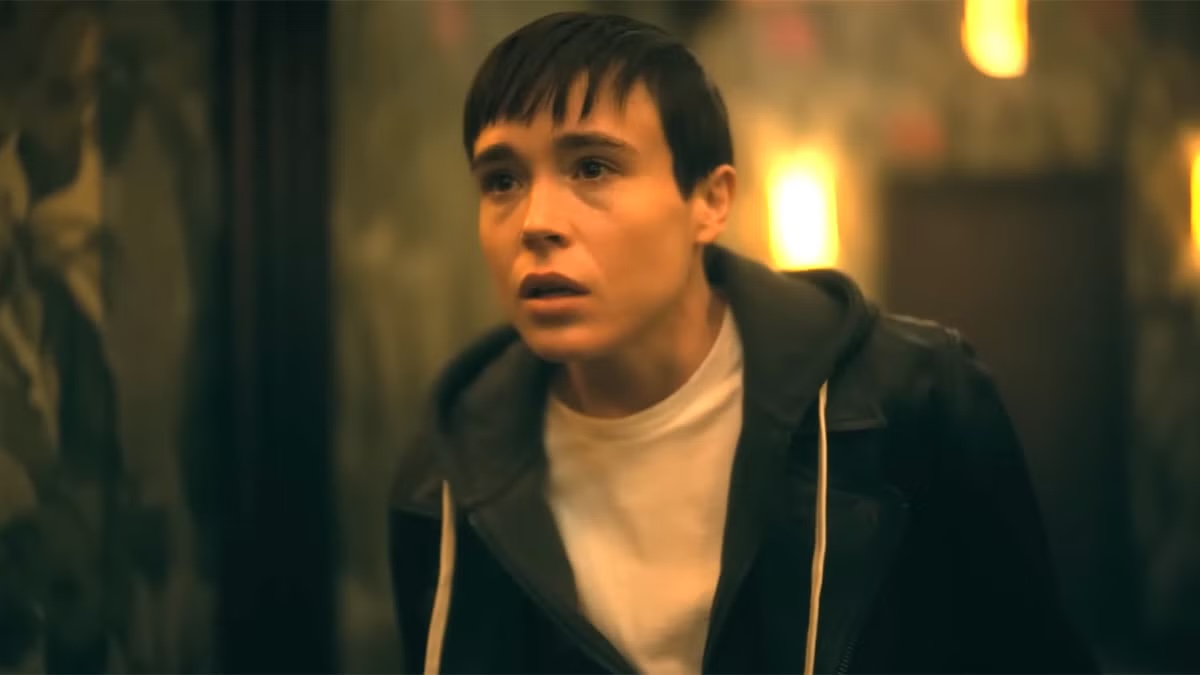
While representation for trans women on TV is rare, representation for trans men has historically been almost nonexistent. The OA‘s Buck Vu was one of the first mainstream appearances of a transmasc person, and Theo Putnam of The Chilling Adventures of Sabrina provided a more complex portrayal. But transmasculine representation reached a new pinnacle with Viktor Hargreeves of The Umbrella Academy. Played by one of the most high-profile trans actors of the modern era, Elliot Page’s Hargreeves is one of the most historically significant trans men on TV. Viktor Hargreeves is an anti-hero whose early-series actions border on villainy, but unlike most trans villains of the past, his transness alone isn’t what makes him an antagonist. He’s messy, complex, and fully human — a man whose character is measured by his actions, not just his gender identity. Hargreeves’ inclusion as the series highlights an important nuance: casting a trans person as a flawed character doesn’t have to be problematic. When it’s done right, it’s truly compelling.
Jules — Euphoria
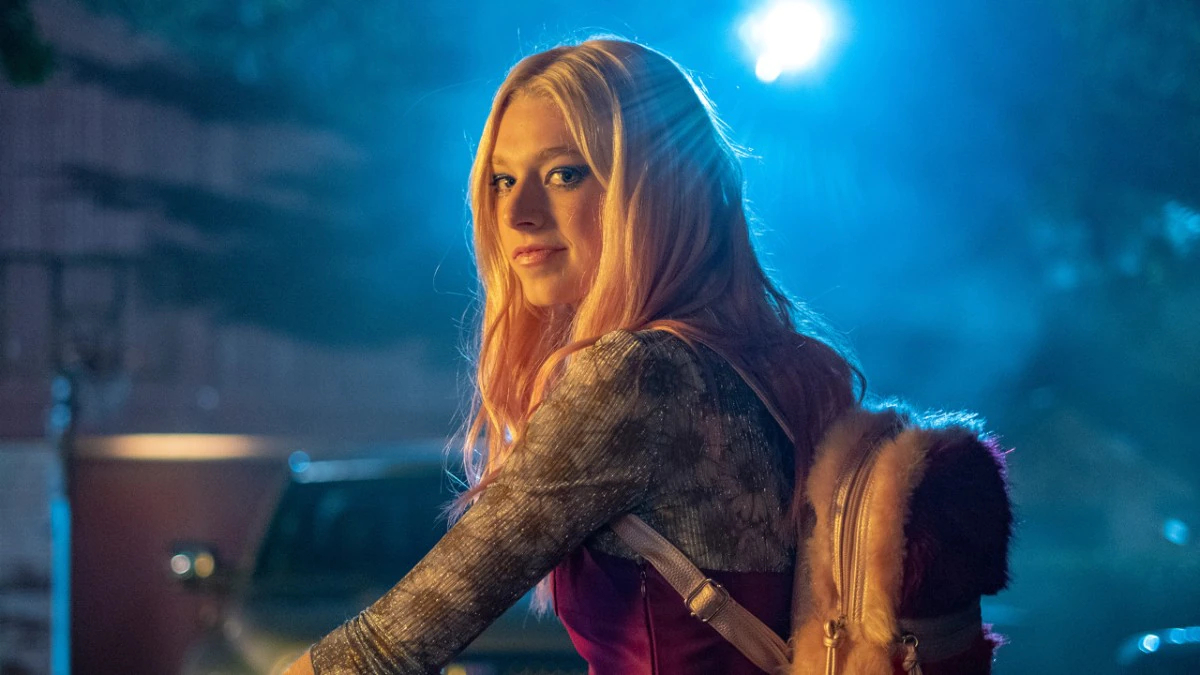
Played by one of the most talented actresses working today, Hunter Schaffer’s Jules Vaughn is one of the most iconic trans characters ever to grace the screen. A major player in the smash-hit TV series Euphoria, Jules is just as vibrant, messy, and passion-filled as any of her cis castmates. She’s one of the first trans characters on a major network TV series to be truly complicated — neither hero nor villain, just a teenage girl who makes good and bad decisions alike. Her raw humanity is what makes her character truly shine, a high-octane existence fueled by an unbridled lust for life. Sure, she’s a bit of a menace, but what teenager isn’t? That’s the beauty of her, and the beauty of growing up.
The Main Cast of Pose
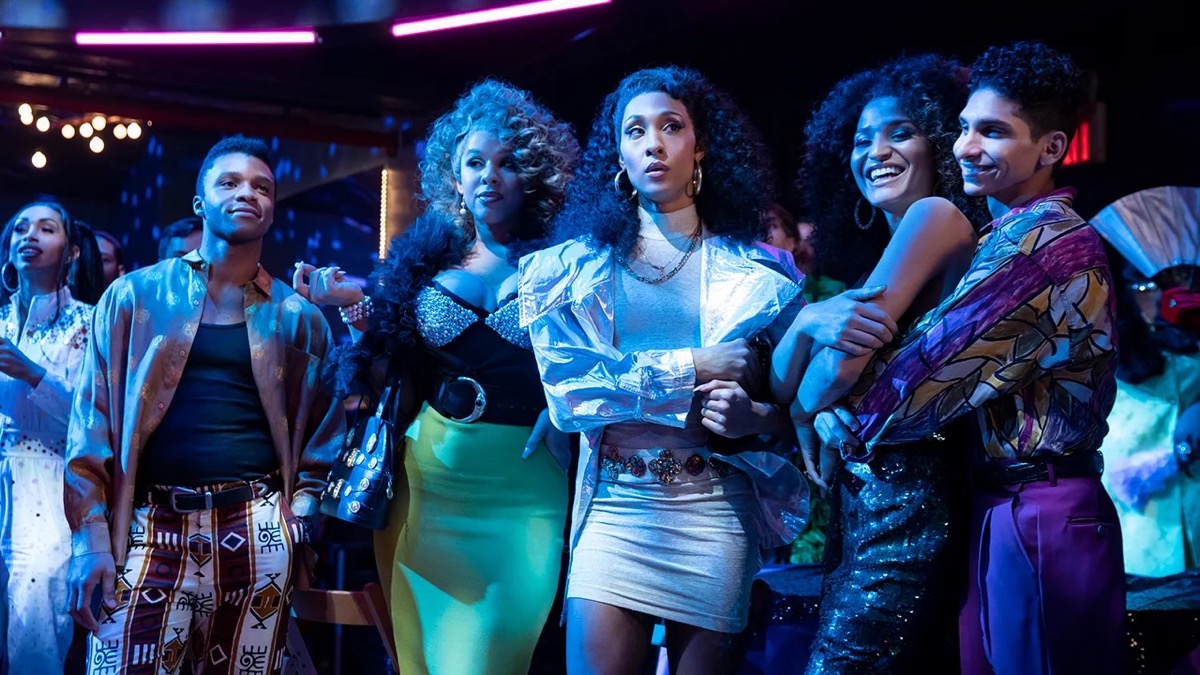
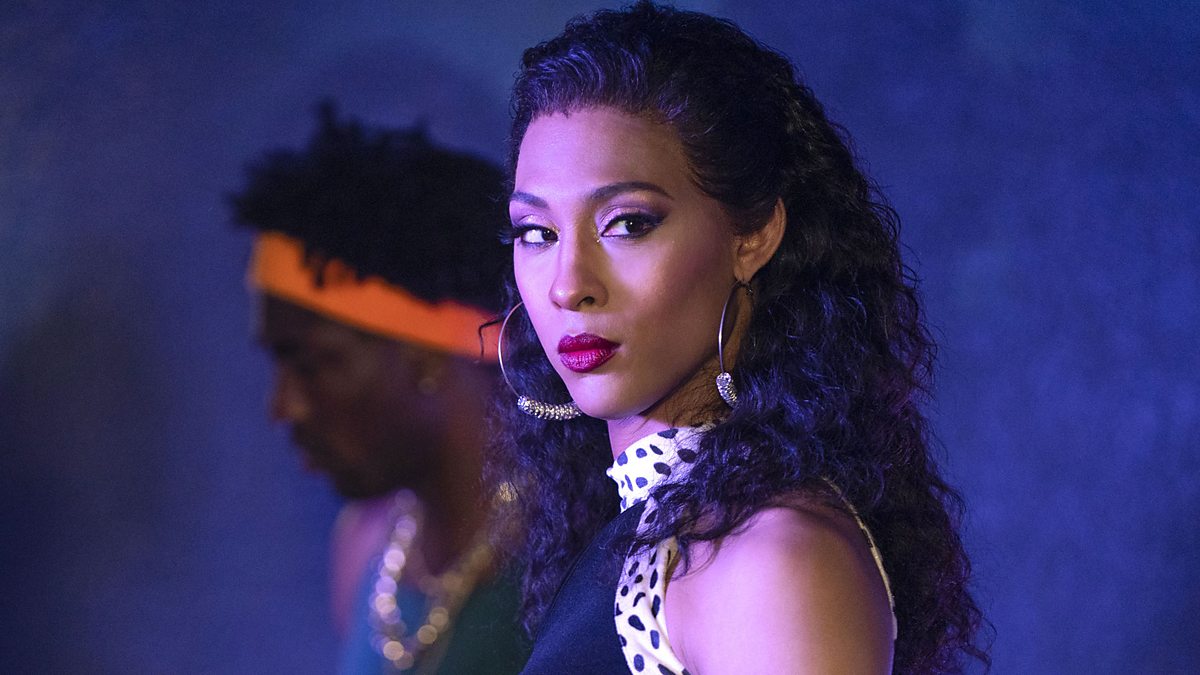
When it comes to trans representation, the full cast of Pose is even greater than the sum of its already iconic parts. A portrait of ballroom performers in 1990s New York City, Pose shines the spotlight on a marginalized community that is nearly single-handedly responsible for modern queer US culture. The series follows the life of up-and-coming house mother Bianca Evangelista, and features a cast of trans, non-binary, and gender-nonconforming characters. The series refuses to shy away from the gritty realities faced by the community, tackling HIV, high-risk sex work, and transphobic violence. Despite the dire circumstances its characters face, Pose refuses to focus solely on the negatives. The ballroom competition victories, the nights full of laughter in Blanca’s apartment, the strength needed to continue in a hard world — this is what makes the cast of Pose shine.
Taylor Mason — Billions
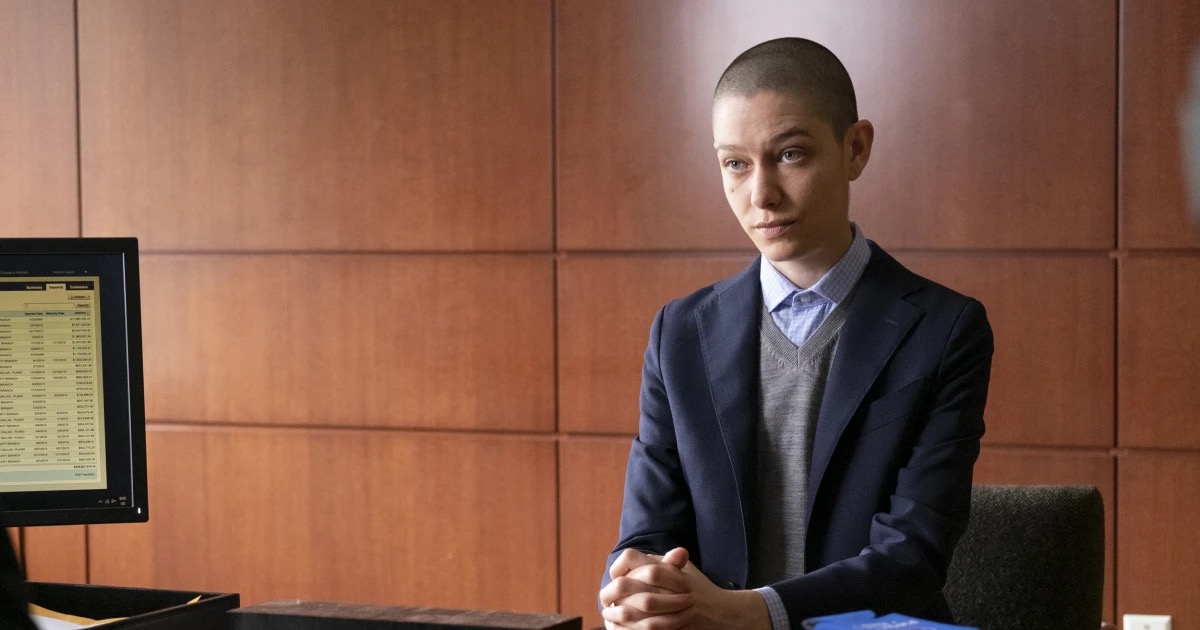
The first non-binary character to play a major role on a network TV series, Taylor Mason is a groundbreaking example of queer representation. A brilliant financial strategist, Taylor quickly proves themself to be one of the most competent characters on the show. Despite the strict binaries of the real-life corporate world, Taylor’s identity and pronouns are normalized and respected throughout the series. In an era where non-binary characters were almost non-existent on mainstream TV, Taylor was one of the first to have their own multi-season plotline and complex character arc. Their inclusion paved the way for other non-binary characters like Jim on Our Flag Means Death — another trailblazer on mainstream TV.
Hange Zoe — Attack on Titan
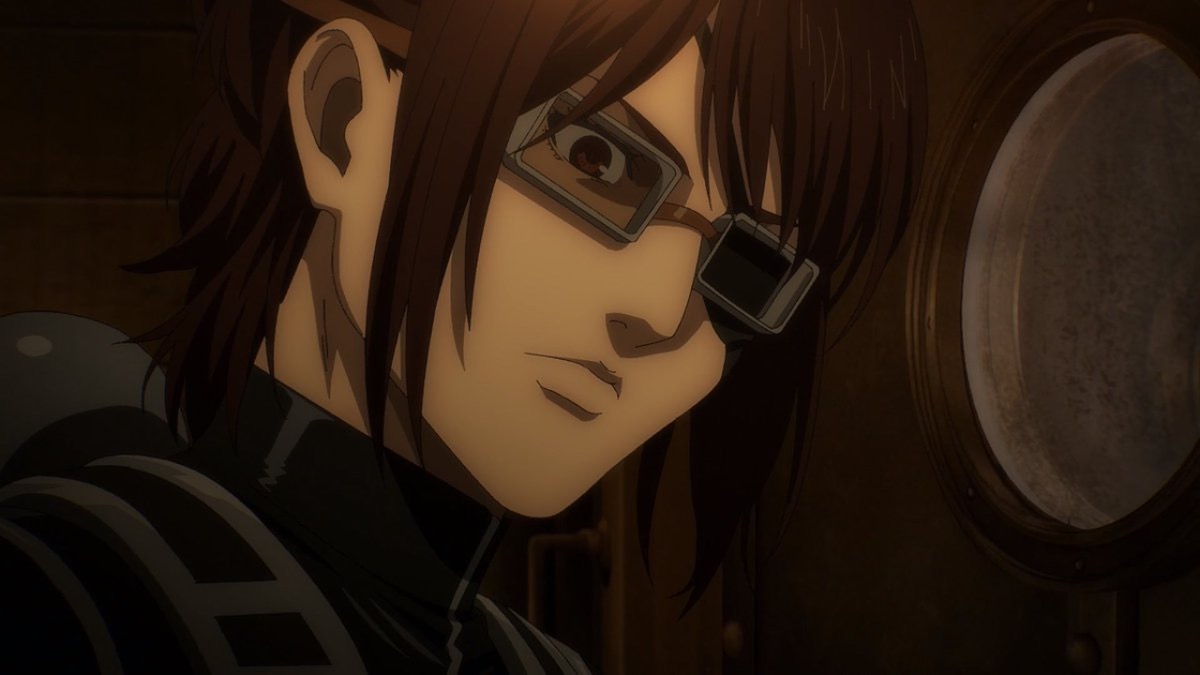
The most brilliant thinker in Attack on Titan, Hange Zoë is also arguably the most influential non-binary character in anime. A major player in an anime series hailed as one of the greatest ever made, Hange’s technological skills and inquisitive mind make her one of humanity’s greatest assets in their fight against the Titans. While Hange was interpreted as female for Western audiences, Attack on Titan creator Hajime Isayama has explicitly stated that Hange’s gender identity is purposefully ambiguous. A brilliant strategist and a fierce ally to their comrades, Hange is a truly heroic character in a series about people who make moral compromises. A fan-favorite character, Hange Zoë changed an entire medium singlehandedly.
Elle — Heartstopper
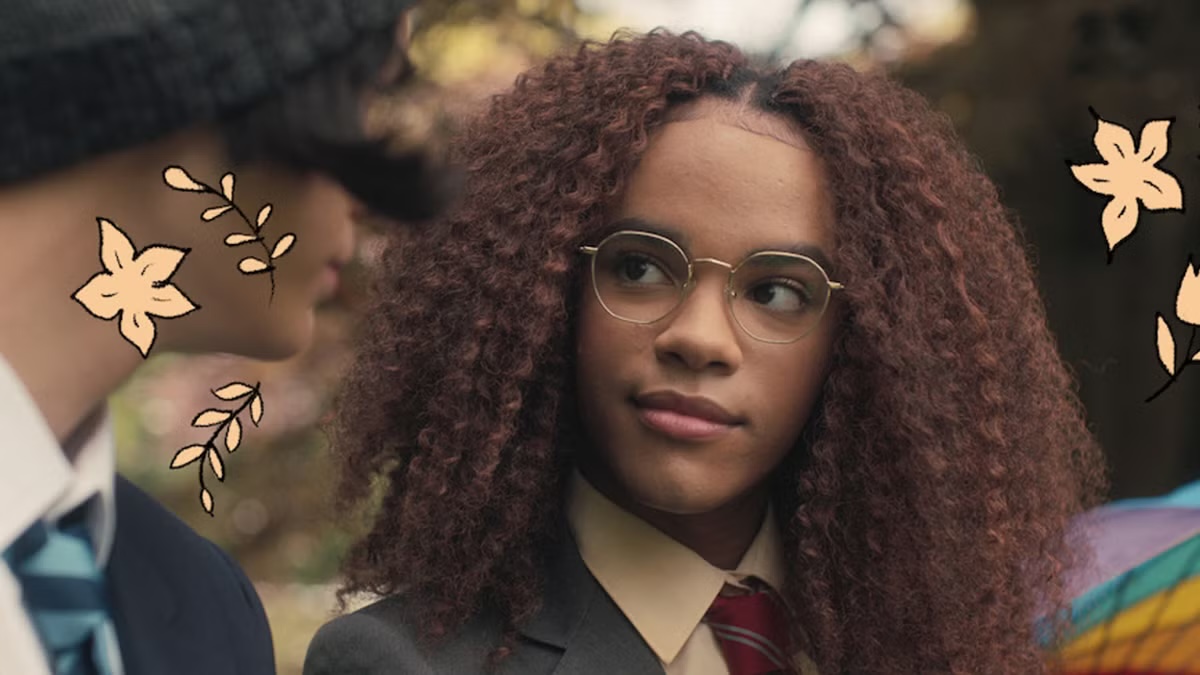
Heartstopper is one of the most pivotal queer television shows ever created, featuring some of the finest LGBTQ+ representation to date. Characters with many different sexualities and gender identities appear throughout the series, and Elle’s story is one of the most well-developed, nuanced, and sincere. Played by Yasmine Finney, Elle is one of the first trans leads in a teen romance series — not a side character but part of the core friend group. While her narrative covers bullying and transphobia, these negatives are far from the only aspects of her story. With the support of her friends, her character is free to pursue dreams of art and romance — a rare and necessary example of trans joy in television.
Raine Whispers — The Owl House

Raine Whispers is one of the first non-binary characters to have a major role on a children’s TV show, serving as a plot-essential character in The Owl House. Known for its groundbreaking queer love stories, The Owl House was one of the first kids’ TV series to normalize queer relationships — Raine is one half of a central series romance. The partner of Luz’s teacher Eda Clawthorne, Raine is a quiet example of a queer adult in a healthy, supportive relationship. Through Raine, The Owl House taught its viewers that romance can take many forms, and while some love stories look different than others, those differences shouldn’t be scrutinized, but celebrated. Aside from being a pillar of support for The Owl House‘s teen protagonists, Raine is also a powerful force of political dissent in the series. The founder of a group that opposes Emperor Belos, Raine carries on a long tradition of queer activism — art imitates life.
Cristina Ortiz Rodríguez — Veneno
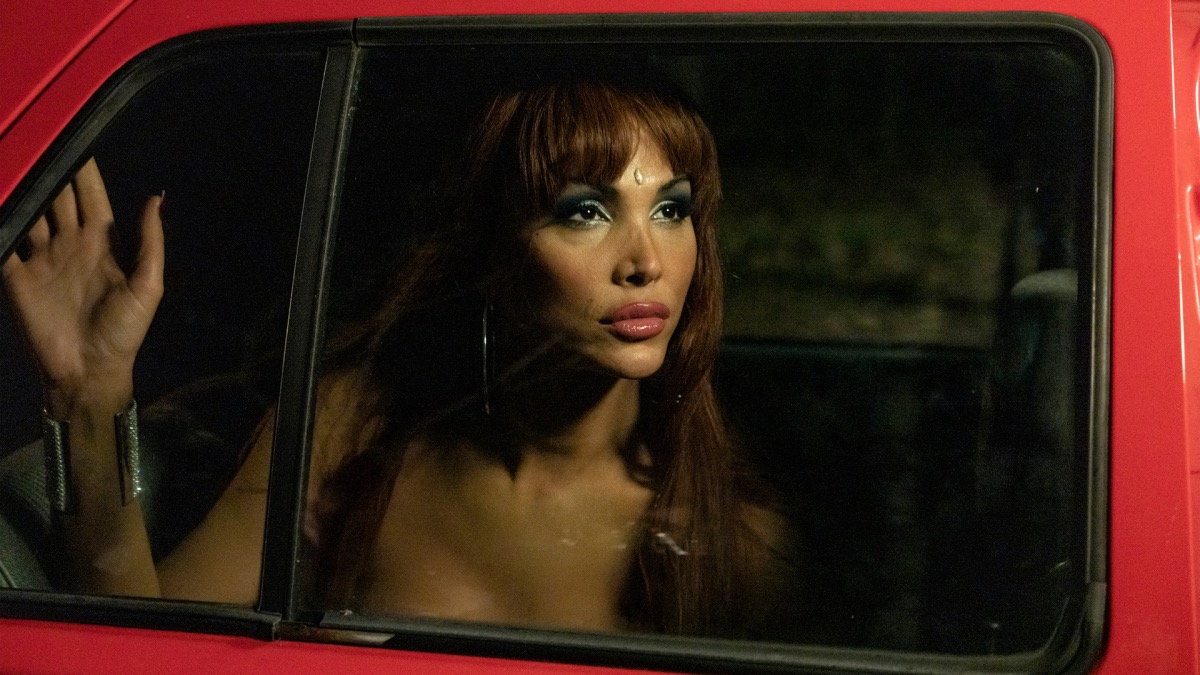
Simultaneously one of the most important and underrated TV series about a trans person ever made, Veneno tells the real-life story of Spanish singer and television personality Cristina Ortiz Rodríguez. Known as “La Veneno,” Rodríguez was one of Spain’s most important queer icons, gaining fame in the 1990s when trans representation on TV was almost unheard of. Told from the point of view of the trans journalist who wrote Rodríguez’s biography, the series juxtaposes the two women’s experiences across two very separate eras. One of the most poignant and realistic portrayals of the trans experience in the mid to late 20th century, Rodríguez’s story breaks ground and hearts alike. The series is especially notable for its commitment to representation, featuring three trans actresses who play Rodríguez at different phases of her career. Glamorous, hilarious, exuberant, La Veneno is everything its protagonist was in life.
Have a tip we should know? [email protected]
Follow The Mary Sue:
