Survivors in Manhattan prepare for a $35m payout from Epstein’s personal staff. Then they find out what the deal allegedly does to their future
Long road to justice.
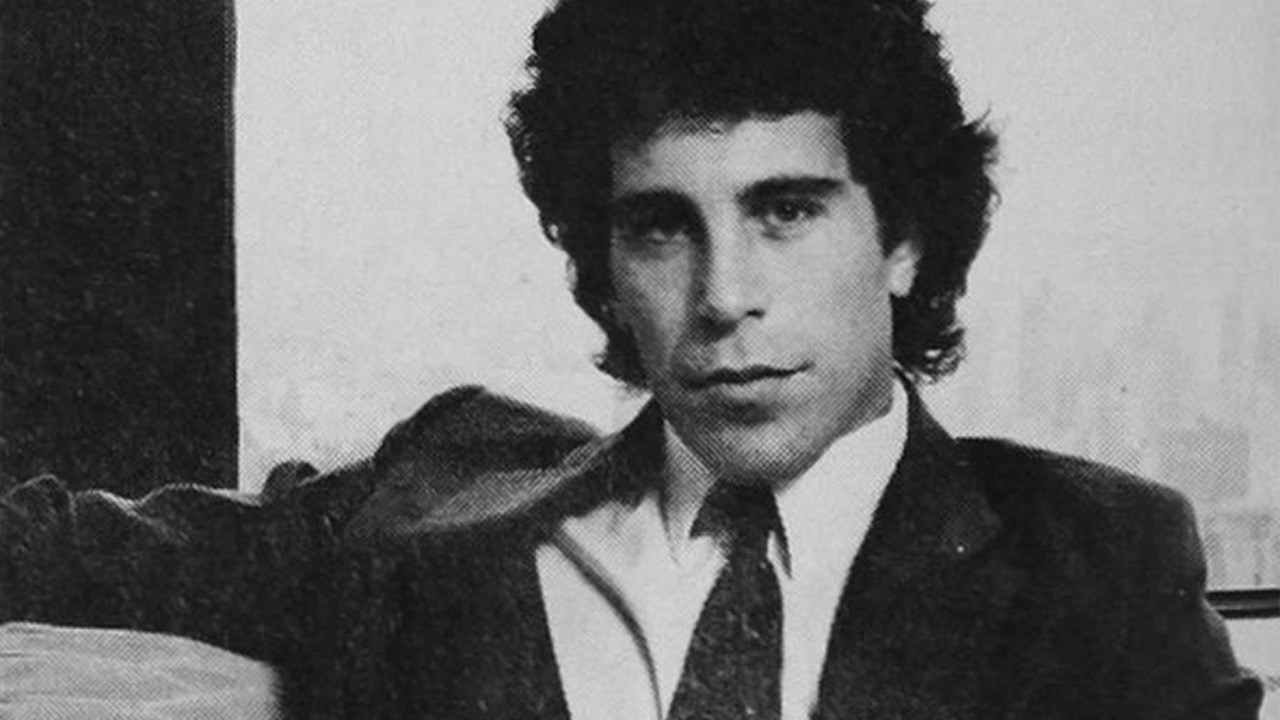
Survivors of Jeffrey Epstein’s sex trafficking ring are facing a critical moment as a final settlement hearing approaches in Manhattan federal court. According to The Guardian, the hearing, scheduled for December 2, 2026, will determine if a $35 million settlement deal between survivors and Epstein’s former personal lawyer and accountant receives official approval.
While many survivors look toward this payout, experts are raising alarms that the agreement might inadvertently block future legal claims related to child sexual abuse material (CSAM). The lawsuit centers on Darren Indyke and Richard D. Kahn who served as Epstein’s personal lawyer and accountant for decades. They also act as executors of his estate.
Survivors’ attorneys allege that Indyke and Kahn were personally essential to the success of the Epstein enterprise. The complaint claims they helped structure bank accounts and cash withdrawals. This reportedly gave Epstein and his associates access to large amounts of cash to support sex trafficking.
Both Indyke and Kahn reject these allegations
They maintain they knew nothing about Epstein’s crimes. Their legal representatives have stated they emphatically rejected claims they were complicit in or in any way knowingly facilitated Epstein’s sexual abuse or trafficking. They argue that this conduct occurred behind closed doors, in secluded locations, and at times when neither Indyke nor Kahn was present. Furthermore, the defense notes that not a single woman has ever accused them of committing sexual abuse or witnessing it.
Despite these denials, the proposed settlement has triggered significant pushback from attorneys like Jennifer Freeman of Marsh Law. She represents women involved in separate litigation. Freeman fears the current language of the deal creates roadblocks for survivors seeking justice for child sexual abuse material. Survivors and law enforcement have long noted that Epstein possessed, produced, and distributed such material over many years.
Freeman argues that CSAM claims carry their own statutory remedies. She believes these were not properly considered during the creation of this settlement. She said, “We objected to the settlement on the grounds that CSAM has its own separate claim with its own statutory remedies and this was not, in our view, considered in putting together this settlement.”
Freeman also stressed that the release of the estate does not make sense here, since the case was not against the estate. It was against two individuals, the lawyer and the accountant.
The scope of the settlement release remains a major point of contention
Some legal experts worry that the agreement could protect the Epstein estate from future liability. This would be a major blow to survivors who only have claims related to the production or distribution of abusive images. Freeman wants the final agreement to be explicit. She believes that CSAM claims should not be included in the settlement at all. She adds that the release of the estate should be at least limited and, in her view, eliminated.
Communication remains another hurdle. Freeman notes that many survivors live outside the United States. She said, “We’ve heard from many, particularly those who are outside the United States, [who] had no idea anything was going on. They don’t have class actions typically in their countries, so this would not be a familiar process for them to look out for or understand… that it might apply to them.”
On the other side, attorneys for the defendants argue that the concerns are overblown. Daniel Ruzumna, representing Indyke, insists, “As the parties pointed out at the hearing and the court appeared to recognize, the putative class only includes women who were sexually abused and/or trafficked by Epstein.” He argues that if a woman also has a CSAM related claim, she might be entitled to a larger recovery from the settlement fund.
Ruzumna clarifies that if a woman only had CSAM related claims, she would not be part of the class. At the September 16 hearing, the parties made clear that women with CSAM only claims, meaning those who were not abused or trafficked themselves, are not part of the class and therefore would not release claims.
The underlying evidence regarding Epstein’s material is extensive
Law enforcement records and materials released under the Epstein Files Transparency Act document his possession of illegal content. An FBI memo details that files included a large volume of images of Epstein, images and videos of victims who are either minors or appear to be minors, and over ten thousand downloaded videos and images of illegal child sex abuse material and other pornography.
Other reports further illustrate the scope of these abuses. Maria Farmer, whose sister was abused by Epstein and his right-hand woman Ghislaine Maxwell, reported to authorities in 1996 that Epstein possessed nude images of her siblings. Farmer stated that she is a professional artist and took pictures of her sisters 12 and 16 years for her own personal art work. The report further noted that Epstein stole the photos and negatives and is believed to have sold the pictures to potential buyers.
Have a tip we should know? [email protected]
Follow The Mary Sue: