



‘So nasty’: Pete Hegseth scolds and insults reporter in stunning Pentagon meltdown
A test of everyone’s patience.

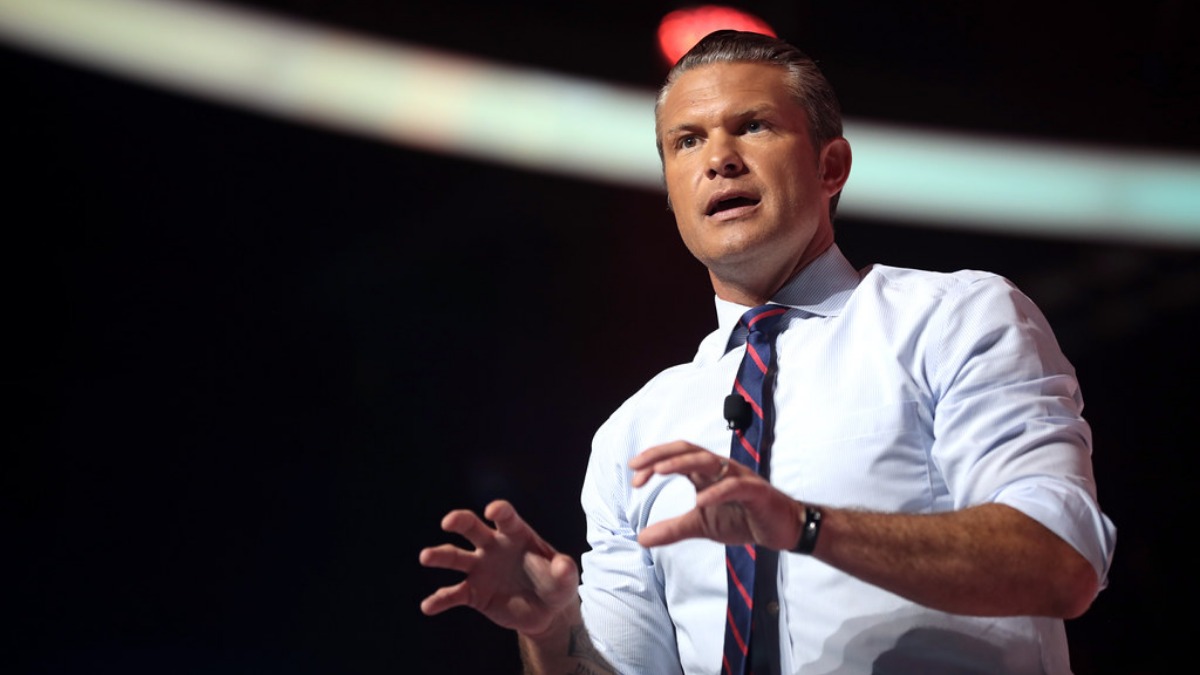
The tension at the Pentagon hit a new high when Secretary of War Pete Hegseth publicly scolded a reporter during a press briefing. The scene unfolded during a discussion about the recent U.S. brokered cease-fire with Iran, a topic that has clearly kept the administration on edge. Hegseth was in the middle of calling on a specific journalist when another reporter in the room shouted a question, prompting an immediate and sharp rebuke from the secretary.
It’s clear that Hegseth has little patience for the traditional press corps, and this incident is just the latest example of his combative approach. According to the NY Post, he paused the briefing entirely to address the interruption, telling the reporter, “Excuse me, why are you so rude? Just wait. I’m calling on people.” He then muttered, “So nasty,” under his breath, a moment that didn’t go unnoticed by those in attendance.
Once the room settled, the reporter he had originally chosen to acknowledge went on to ask about a recent statement from President Donald Trump on Truth Social. The question touched on the president’s threat to wipe out a civilization if Iran failed to meet the deadline for the cease-fire deal.
Trump’s threat to wipe out a whole civilization has had everyone on edge
Hegseth’s response was to double down on the administration’s strategy of deterrence. He explained that the U.S. military had pre-positioned targets, including infrastructure, bridges, and power plants, which were locked and loaded for potential strikes.
According to Hegseth, the Iranian regime understood exactly what was at stake. He characterized the Iranian government as a terror regime that used dual-use infrastructure to fund its military campaigns. By making it clear that the President was prepared to strip away their ability to export energy, the administration believes it effectively forced Iran to the negotiating table.
This isn’t the first time we’ve seen Hegseth get frustrated with the media. Back on March 2, he displayed similar irritation when reporters pressed him for details regarding the endgame of the U.S. and Israel’s war with Iran.
During that briefing, he clashed with a reporter from NewsNation who asked if there was a concern that the conflict would spiral into a longer war. Hegseth shot back by asking if the reporter hadn’t heard his previous remarks, emphasizing that the military was acting with clear objectives that he wasn’t about to disclose to a press pool.
He also took a jab at the media during that same March event, dismissing a question about a four-week timeline for the war as a typical gotcha question. He insisted that the President has the latitude to discuss timelines, while he focuses on executing the mission.
It’s worth noting that Hegseth has implemented a policy that has led many traditional media outlets to give up their Pentagon press credentials. Those spaces have been filled by other outlets that are often perceived as more friendly to the current administration. While reporters can still access the building, they are now doing so on more limited visitor passes.
The shift in media access is a massive change for the Pentagon
It certainly changes the dynamic of these briefings. Even when reporters from outlets that might be considered more aligned with the administration ask questions, Hegseth often remains defensive.
For instance, in March, when a correspondent from the Daily Caller asked about the specific objectives for leaving Iran, Hegseth seemed annoyed to be repeating himself. He reiterated that Iran’s ability to project power against the U.S. and its allies was something the administration simply could not tolerate.
Throughout these interactions, the secretary has stayed consistent on the topic of nuclear capabilities. He maintains that it is non-negotiable for Iran to possess nuclear weapons, and he has stated that they must either give up those ambitions voluntarily or face the consequences of U.S. military action. The current cease-fire, which is tied to the reopening of the Strait of Hormuz, is being framed by the administration as a direct result of this aggressive posture.
Whether this approach will lead to a long-term resolution remains to be seen. What is certain is that the relationship between the Secretary of War and the press has become increasingly strained. One can expect these briefings to remain heated as long as the administration continues to view the traditional media as an obstacle rather than a conduit for information.
Have a tip we should know? [email protected]
