


Pop Culture’s 10 Greatest Yearners
What does it mean to yearn? It is what the bird feels for the sky, what the fish feels for the ocean, what I feel for a steaming plate of sweet potato fries at this very moment. It is greater than wanting, greater than craving; it is the fullest expression of unmet desire, a longing for which there is no cure but the object of one’s forlorn affection. In a world of dating apps and one-night stands, yearning sometimes feels like a dead art form, but these characters prove that one-sided romance is indeed alive and well. Archetypal lovers, weary wanderers, and immortals who long for something mortally more — these are the 10 greatest yearners in pop culture.
Dracula
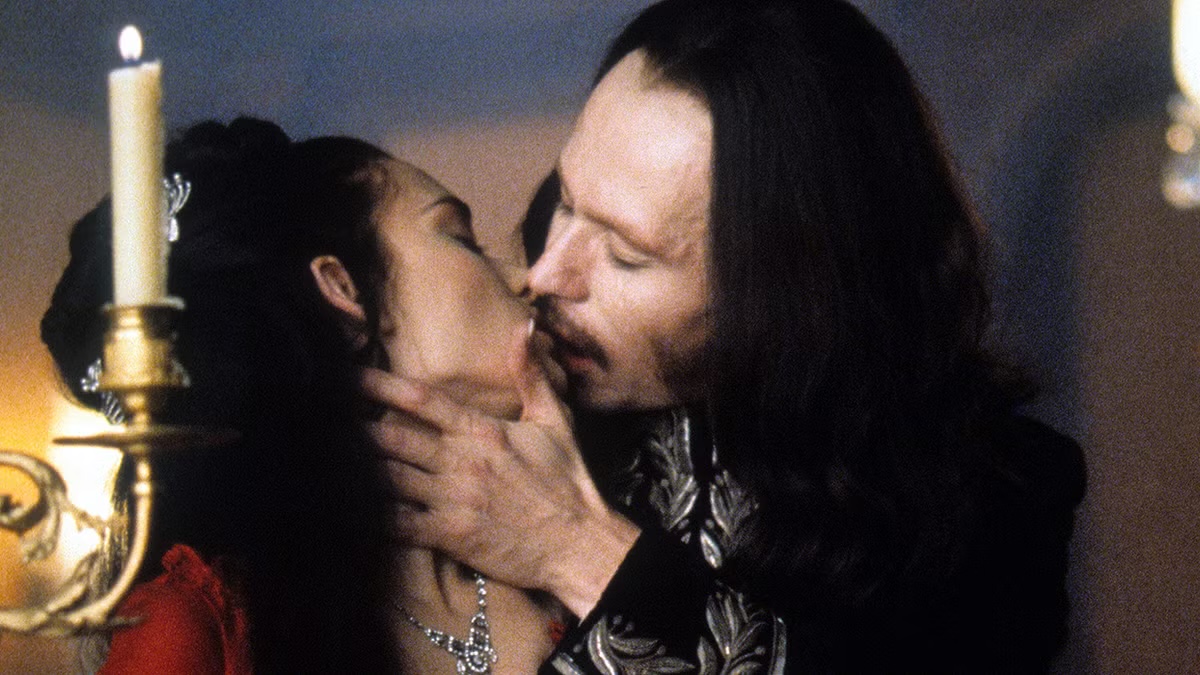
“I have crossed oceans of time to find you.” Was there ever a more yearning-drenched line of dialogue spoken? In his cinematic reinterpretation of Dracula, Francis Ford Coppola found an undercurrent of yearning that Bram Stoker left out of his vampire novel. While Stoker’s Dracula certainly craves Mina Harker and her fresh blood, Gary Oldman’s immortal count truly yearns for his lost-to-time love. In this reimagining, Dracula believes that Mina is the reincarnation of his beloved wife Elisabeta, who was so cruelly taken from him back when he was still a mortal man. While old-school Dracula was a dark creature defined by bloodlust alone, Oldman’s version of the character is defined by a far deeper, more romantic desire. What could be sweeter than getting loveingly stabbed by your crush so you and your dead wife can finally be together in the afterlife? According to Vlad, nothing. And that, my friends, is peak yearner mentality.
Anakin Skywalker

While Darth Vader yearns only for power, Anakin Skywalker yearns for something far more tangible: his beloved Padmé. Unlike his son Luke, who (apart from some accidental incest) eschewed romance entirely, Anakin’s entire existence revolved around the woman he loved. He was so down bad for Padmé that it made him do some seriously bad things, killing younglings being one of them. Anakin really massacred a room full of children just because some leathery old man told him that joining the dark side would help him prevent Padmé’s prophesied death. Spoiler alert: it didn’t. And because of that, Anakin passed the point of no moral return; his transformation into a Sith became complete. Be warned: 9 out of 10 Jedi masters agree that too much yearning can indeed make you evil; take it from the evilest guy in Star Wars.
Noah
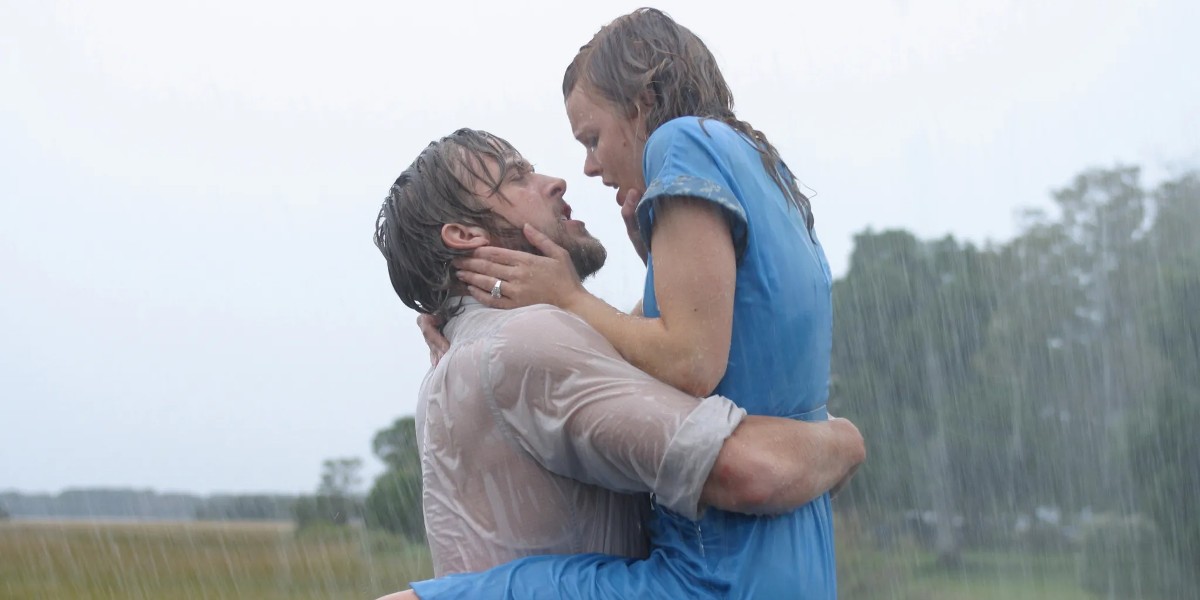
However toxic his yearning may be, I cannot leave out one of pop culture’s most important yearners. The Notebook‘s Noah Calhoun wrote the (note)book on yearning, introducing a tale of lifelong and somewhat problematic love to the public. The (semi) healthy expressions of his yearning? Writing Allie a letter a day was romantic, if not a little excessive. Building her a house was also very romantic. Again, a little much. But him threatening to commit suicide by Ferris wheel until she agreed to go on a date with him? Big red flag. Yearning makes people do some bonkers things, and Noah Calhoun’s questionable desire for love at all costs is both an iconic expression of devotion in cinema and a cry for therapeutic help. Yearning is romantic, but not always healthy.
Jay Gatsby
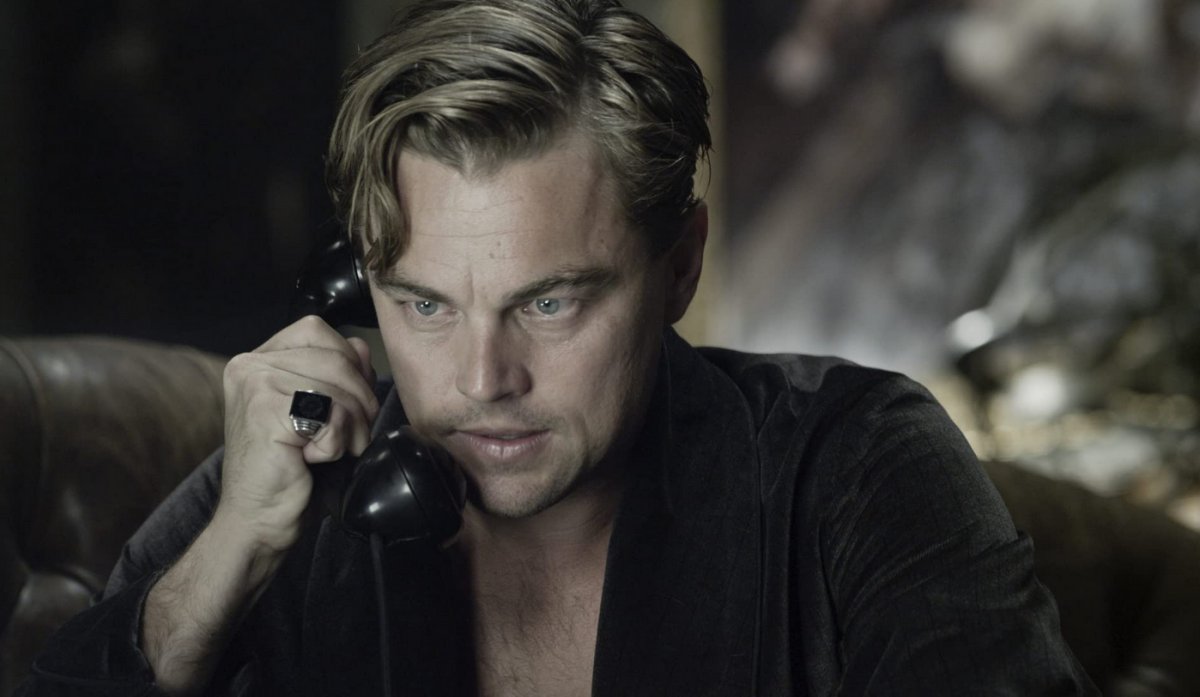
F. Scott Fitzgerald’s masterpiece The Great Gatsby contains one of the most famous depictions of yearning in literary history: one man’s staring contest with a little green light across the water. Jay Gatsby wasn’t always the hard-partying, champagne-toasting socializer that he makes himself out to be. He was once an average Joe named James Gatz, a man so profoundly in love with the wealthy Daisy that he made up a whole rich-guy persona so she’d marry him. The endless house parties were all just an ostentatious display of the success he believed he’d need to achieve to be worthy of love. Gatsby is the ultimate tragic yearner, a character who — like a doomed Greek hero of old — pays the ultimate price for reaching too far beyond his means. He’s ultimately shot dead by the same sort of blue-collar man that he once was, a literary lesson to not shape your entire personality around the things you don’t have.
Romeo

The archetypal blueprint: Romeo is arguably the greatest yearner in the entire Western canon. When William Shakespeare was writing Romeo and Juliet, he did so as a cautionary tale for both violent Elizabethan adults and teenagers violently in love. Romeo begins the play yearning for Rosalind, then quickly forgets her once Juliet steps into the scene. After spouting all-time great yearner one-liners like “she doth teach torches to burn bright,” his desires push him to infiltrate Capulet territory in the hopes of getting another kiss. Not a wise decision for a Montague, but a woefully romantic one. You know what they say: if he wanted to, he would. And through all wanton murder, banishment, breaking into graveyards, and self-poisoning, Romeo wanted to, so Romeo did. Sure, it got him killed in the end, but I’m certain the other yearners on this list would agree that it was worth it.
Fleabag

At its mushy-gushy core, yearning is the desire for something that you cannot have, and perhaps never will. What yearning could be more forbidden, more impossible, more woefully doomed than the secret desire for a hot Catholic priest? One of the most accomplished self-saboteurs in TV history, the titular heroine of Fleabag can’t help but torch all of her romantic relationships before they have a chance to grow. In a way, her relationship with the Hot Priest is perfect. She can’t ruin what she can’t have to begin with. And besides, what could be more romantic than lusting after someone through the thin walls of a confession booth? The other yearners on this list should be taking notes.
Damiel
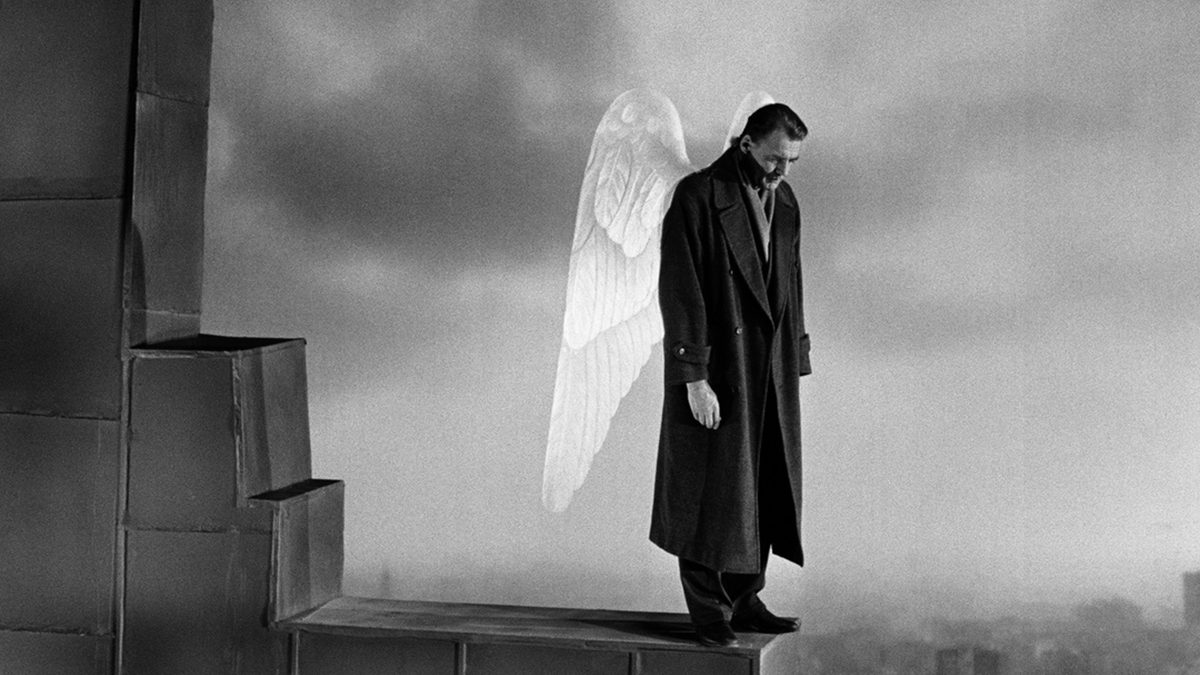
Pop culture is full of angelic yearners: Castiel from Supernatural, Aziraphale from Good Omens, Nicholas Cage’s character in City of Angels. The blueprint for them all? Damiel, the trench-coated watcher on high in Wim Wenders’ Wings of Desire. After spending countless years as an observer of the human experience, Damiel’s love for a trapeze artist named Marion makes him yearn to become a participant. What makes Damiel such a God-tier yearner is that his desire extends far beyond regular-degular romantic love. He yearns for the whole gamut of human experience. The joys, the sorrows, the rock concerts, the last of which he and Marion end up attending (a first for angels everywhere). But was Marion really the person he yearned for? Or was it 1980s Nick Cave? You be the judge.
Mr. Darcy
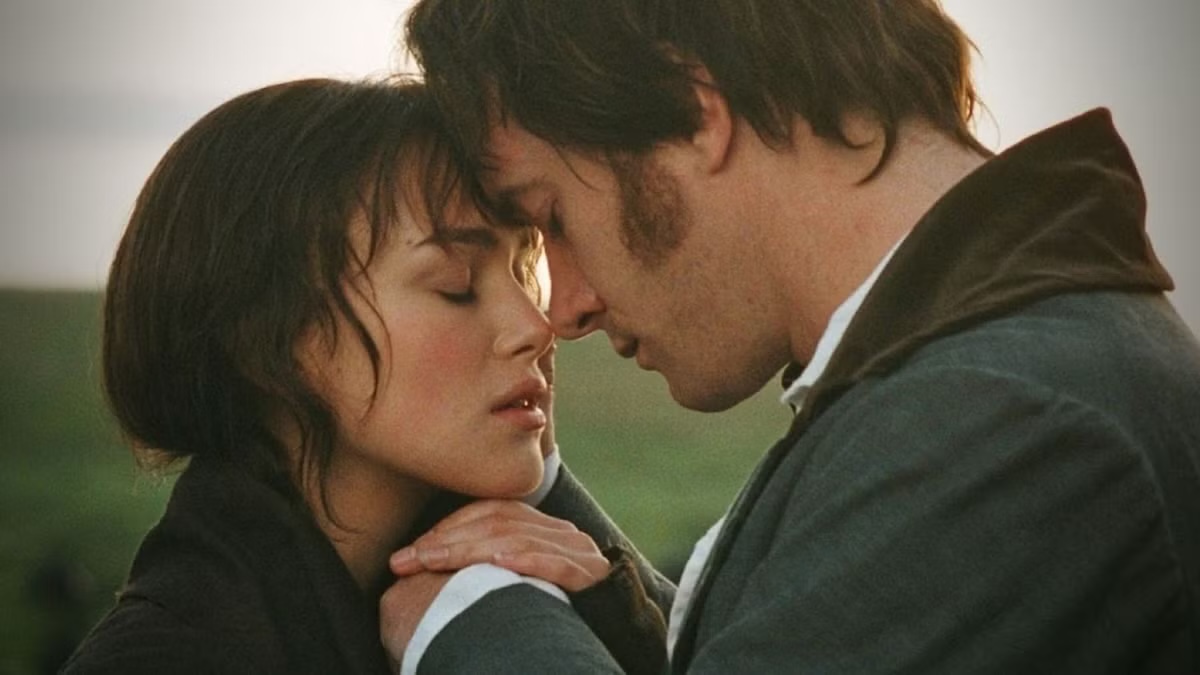
Two words: hand flex. Never has there been a greater display of unspoken yearning in cinema than when Matthew Macfadyen’s Mr. Darcy stretches his digits after helping Elizabeth into a carriage. Any yearner worth their salt would immediately put a plastic bag over their hand after making skin-to-skin contact with the object of their desire, to preserve the touch forever, of course. Had plastic bags been around in Jane Austen’s era, odds are Mr. Darcy would have done just that. While some of cinema’s biggest yearners *cough* Noah Calhoun *cough* turn their inner desires into a fireworks display, the silent intensity of Pride and Prejudice‘s Mr. Darcy’s longing earns him a well-deserved slot in the Yearning Hall of Fame.
Prince Zuko

Prince Zuko proves that yearning doesn’t have to involve love at all. In fact, the most sophisticated yearners often pine for something more than a lip lock. Avatar: The Last Airbender‘s banished royal longs for more than Mai’s love; he longs for his country, his honor, his throne, and the love of his father. He eventually gets four out of five of those things, but only after realizing he has to put his daddy issues to bed. He’s the living embodiment of this lesson: be careful what you yearn for. Take it from Uncle Iroh: some people, Fire Lord Ozai being one of them, just aren’t worth the effort.
Fantine
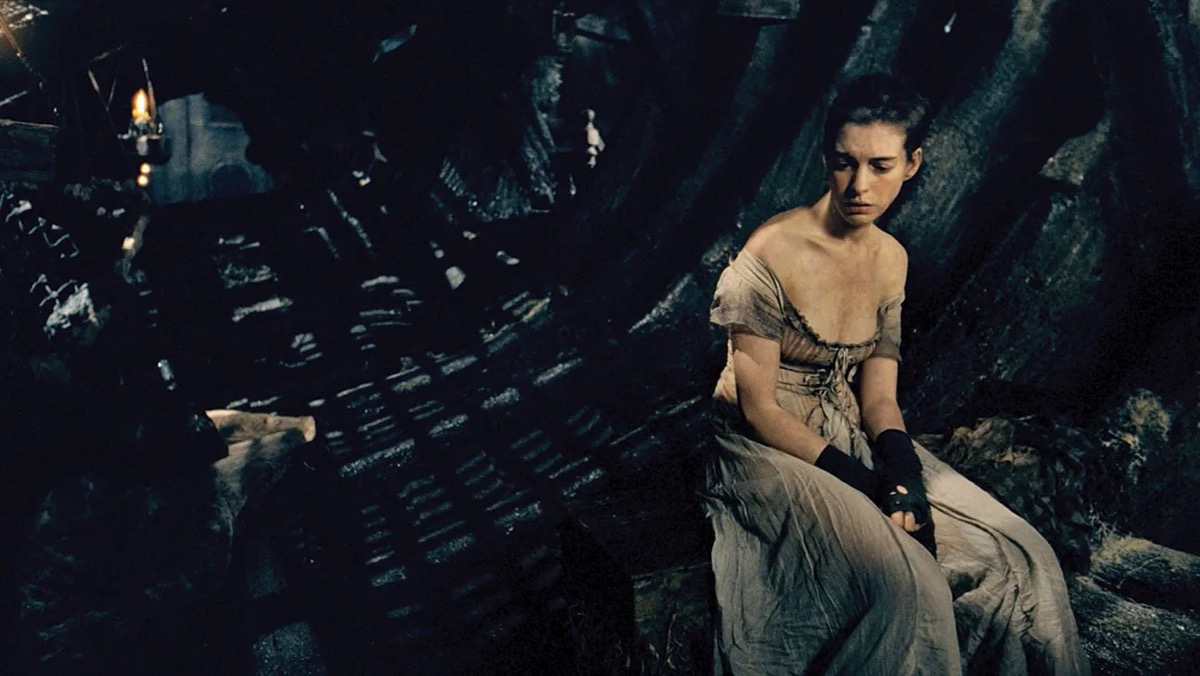
Tom Hopper’s Les Misérables is chock-full of yearners. Javert yearns for justice. Jean Valjean learns for redemption. Éponine yearns for Marius. The people of France yearn for freedom. But Fantine? This poor woman yearns for everything. After getting fired from her job at the factory, Fantine’s desperate longing reaches a fever pitch as she sings “I Dreamed a Dream,” a Greatest Hits of Yearning track to be playlisted right alongside “And I Will Always Love You” and “Fade Into You.” In this devastator of a number, Fantine tearfully yearns for her youth, her ex-lover, and the life she imagined for herself. “I had a dream my life would be so different from this hell I’m living,” she sings. Yearning doesn’t get more tragic than that.
(featured image: Focus Features / Mars Distribution / United International Pictures)
Have a tip we should know? [email protected]
Follow The Mary Sue:
