


Oregon Is Saving Bees From Pesticides, Resulting in a 10% Lower Than the National Average Loss of Commercial Hives
The Oregon Bee Project Shares Good News About Saving Bees From Pesticides

Bees are vital to protecting human food supplies, which is why a movement to protect them has been happening for the past few decades. While there are millions of bees in the world, everyday threats such as climate change and pesticides can wipe out thousands of these pollinators at a time.
There’s good news out of Oregon when it comes to bees, though. According to a report from researchers at Oregon State University, the state hasn’t recorded a pesticide-linked bee death since 2020. As a result, commercial hive losses in the state are only about 25%, compared to the national average of 35%.
The reduction in pesticide-related bee deaths is all thanks to the Oregon Bee Project, led by Oregon State University in collaboration with state agencies. Due to their educational outreach focused on professionals who use pesticides, thousands have been trained to adjust their pesticide use to protect these pollinators.
Why Are Bees So Important?
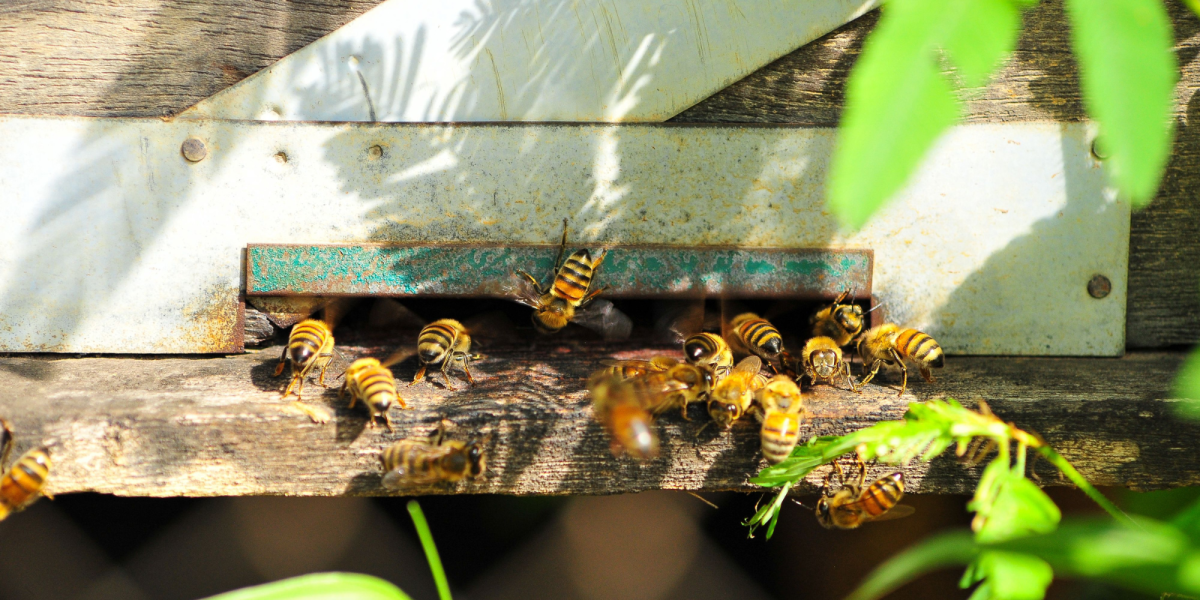
The most important thing bees do for humanity is pollination. Bees pollinate over 130 crops, which is around 70% of the crops people eat. About 33% of all food consumed by people comes from plants pollinated by bees. Essentially, without them, humanity would face major food shortages, which in turn would increase the prices of any food still available.
Bees are essential to the planet in other ways, too. Bee pollination also contributes to healthy ecosystems that feed other animals and provide shelter for various wildlife. Without them, these wildlife creatures might have difficulty surviving.
Additionally, bee products, including honey and wax, have long held a place in traditional medicine; today, researchers are examining their properties for modern medicine. Beauty products have also gotten in on this, with beeswax becoming a popular ingredient in lip balms and more.
How the Oregon Bee Project Is Helping Save Bees
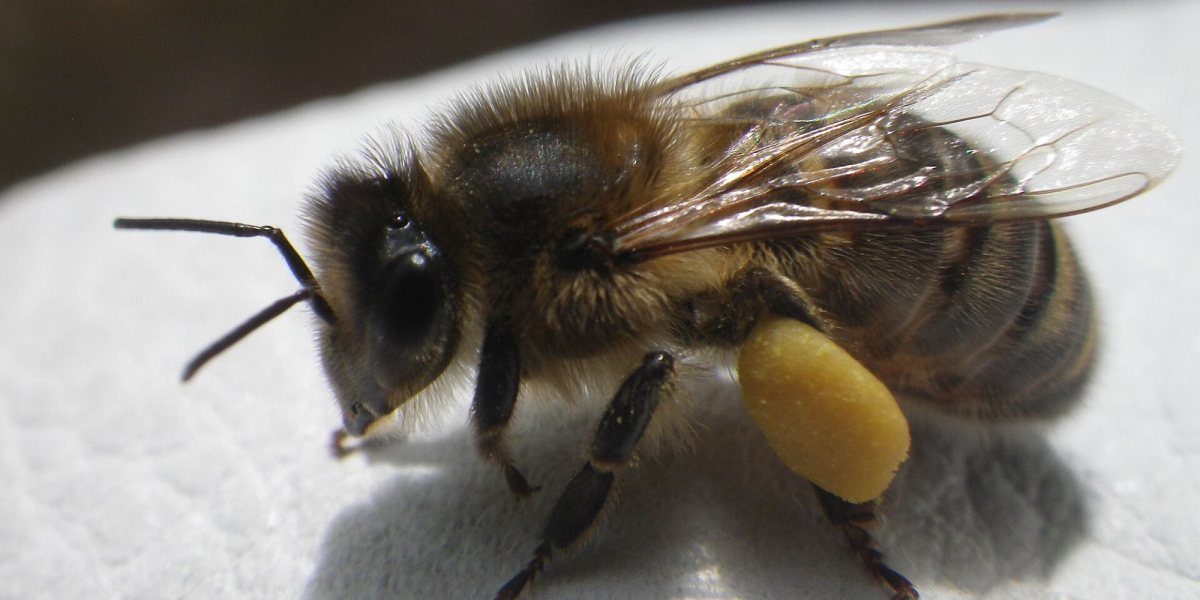
Through its educational outreach, the Oregon Bee Project trained approximately 13,000 professional pesticide applicators to manage pests while protecting bees. The main goal of this outreach was to help these professionals identify the situations that pose the greatest risks to bees. Once identified, they can adjust how they use pesticides to both remove pests and avoid harming bees.
The result has been a significant decline over the past ten years in bee deaths due to pesticides and zero deaths in the past six years. Of course, bees, particularly honeybees, still face significant threats, such as mites and poor nutrition, but the decrease in pesticide-related deaths is something to celebrate.
For those wanting to support bee populations on their own, planting native flowers in the yard is one of the simplest ways to do so. These plants attract bees and other pollinators, keeping them well-fed. Plus, the upkeep of native plants is minimal, so having them around makes yard maintenance much easier.
(feature image: Pexels/Stephen Leonardi)
Have a tip we should know? [email protected]
Follow The Mary Sue:
