


NYC Woman belittles local grocery store after failed Sam’s Club deliveries. Now everyone’s calling her out of touch: ‘This is a simulation’
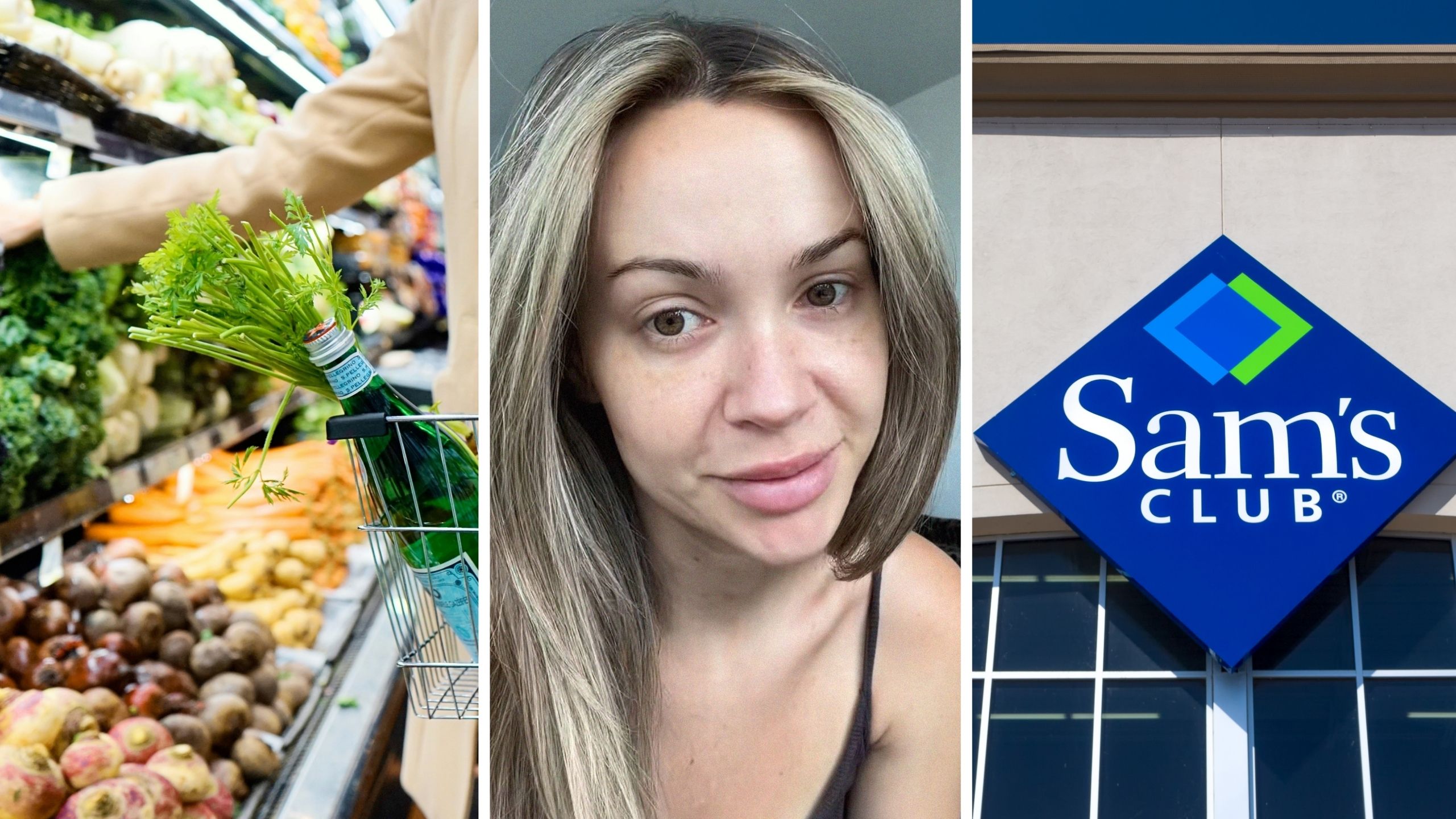
An NYC influencer went viral after sharing a video shopping trip at a Tops grocery store while on a holiday vacation. Social media called her “out of touch, ” turning it into a full-blown cultural moment.
How Did A Canceled Grocery Order Turn Into A Viral Controversy?
In a recently deleted video, creator Catherine Ebs (@cadyebs) explained why she ended up visiting the local upstate New York grocery store. Apparently, it was because her Sam’s Club order had reportedly been canceled three times.
Walking into the store, she immediately appeared apprehensive, remarking, “I don’t think this is going to be good news.”
As she continued through the aisles, she repeatedly referred to the experience as feeling like a “simulation.”
She criticized the produce and questioned the limited selection. Then, she expressed surprise that she couldn’t find what she believed were 100% beef hot dogs.
At one point, she even joked, “I couldn’t be high or drunk enough to be in a place like this right now.”
The remarks may have been intended as exaggerated humor.
However, many viewers interpreted them as mocking a small community grocery store. The store simply wasn’t comparable to the warehouse retailers she normally frequented.
Why Did Viewers Think the Video Missed the Mark?
For many people, the issue wasn’t that the creator preferred shopping at larger stores.
She appeared genuinely bewildered by the idea that a smaller mountain grocery would naturally carry fewer products than a warehouse club or major supermarket.
Commenters argued that local grocery stores operate differently. They’re designed to meet the needs of their local communities, not to compete with the inventory of national chains.
Across TikTok, viewers suggested the video unintentionally highlighted how accustomed some shoppers have become to the convenience and abundance of big-box retailers.
Others pointed out that local grocery stores are often lifelines for rural communities. In these areas, many residents may not have easy access to warehouse clubs or multiple supermarkets.
How Did TikTok Respond?
As often happens on TikTok, the backlash quickly evolved into entertainment.
Response videos poured in from creators. Some explained why they found the original commentary frustrating. Others defended small-town grocery stores and the people who rely on them every day.
In a viral commentary video, creator (@shannonhillnews) stated, “This is a weird weird reaction,” while describing Catherine’s unusual response to the local grocery store.
One parody creator (@ambercatherphoto) hilariously reenacted the shopping trip. She exaggerated every reaction and narrated ordinary grocery shopping as though it were an unbelievable survival experience. The satire leaned into the dramatic tone of the original video. It also highlighted just how absurd many viewers felt the complaints sounded.
Another TikTok parody took an even more creative approach. A woman (@annieismymiddlename) dressed up as one of the fruits the creator had criticized. The video is captioned: “The ‘bad fruit’ responds to the influencer Catherine Ebs.” Staying completely in character, she jokingly delivered a clapback for suddenly becoming the internet’s latest object of ridicule simply for sitting on a grocery shelf.
The parody videos quickly became part of the story themselves, demonstrating one of TikTok’s defining characteristics. Viewers collectively decide something deserves to be mocked; they’ll often respond with humor rather than lengthy debates.
Did Her Explanation Help?
As criticism mounted, Catherine posted another video attempting to explain her comments.
She said the issue wasn’t the grocery store itself but that it felt small and crowded.
Instead of ending the conversation, the clarification prompted another wave of response videos.
Many viewers pointed out that shopping at a local grocery store on a holiday weekend would naturally mean dealing with crowds, while others questioned why someone waiting until the last minute to replace three canceled grocery orders expected a relaxed shopping experience.
The consensus among many critics was straightforward. Much of the frustration could likely have been avoided with earlier planning.
@thriftingmomof1 Replying to @Alex #catherineebs #celebritynews #celebritygossip #influencerdrama ♬ original sound – Sam | Gossip ? Celeb News ?
Why Are Audiences So Quick to Label Influencers ‘Out of Touch?’
The grocery store debate also tapped into a much broader trend on social media.
In recent years, creators and influencers have increasingly faced swift backlash when viewers perceive them as disconnected from everyday experiences.
That dynamic was perhaps most visible during the 2024 Met Gala, when influencer Haley Kalil faced intense criticism after posting a video lip-syncing the phrase “Let them eat cake.” Although Haley later apologized and explained that the clip wasn’t intended to mock anyone, many viewers felt the clarification missed the point. The controversy ultimately became part of the wider “cancel” movement, in which social media users encouraged others to unfollow celebrities and influencers they believed had become detached from ordinary life.
A similar conversation unfolded after another influencer drew criticism for publicly judging a stranger’s grocery cart online. Rather than seeing the video as harmless commentary, many viewers viewed it as an example of classism and making assumptions about people based solely on their shopping choices.
In each case, the original content became secondary to what audiences believed it revealed about the creator’s perspective.
Why Did This Grocery Trip Resonate With So Many People?
On its surface, the controversy was about one person’s disappointing trip to a local grocery store.
But the conversation quickly became something larger.
For many viewers, the video reflected an assumption that every community should offer the same shopping experience as a major metropolitan area with warehouse clubs and sprawling supermarkets. Others saw it as an example of how easy it can be to unintentionally belittle places that serve smaller communities simply by framing them as strange or inferior.
Whether the creator intended to make a joke or simply document an unfamiliar experience, the internet interpreted the video through a different lens. By the time the parody videos, reaction clips, and follow-up explanations had run their course, the grocery store itself was no longer the story.
Instead, it became another reminder that on today’s internet, audiences aren’t just watching influencers. They are evaluating what those influencers say about the world around them.
The Mary Sue reached out to Catherine Ebs via email and Sam’s Club by contact form for comment.
Have a tip we should know? [email protected]
Follow The Mary Sue:
