


NYC is reeling after a gross workout trend took over the city’s dirtiest streets, but it has a shocking health payoff for everyone else
Better health for the whole city.

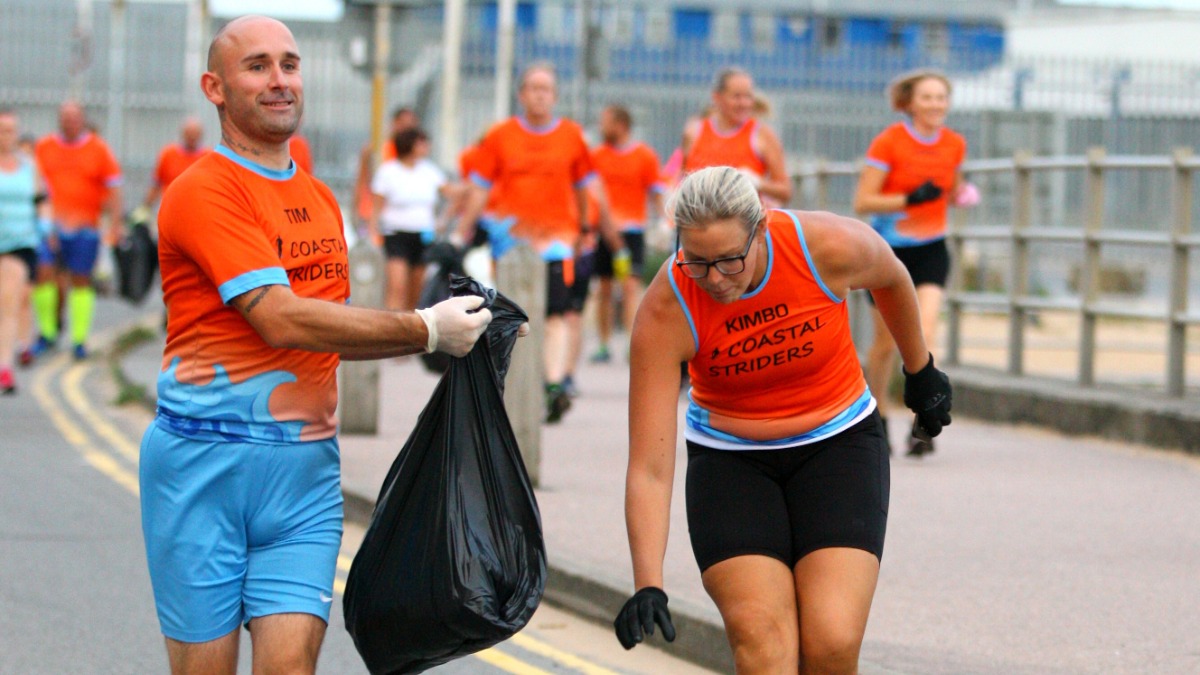
New York City’s streets are getting a major cleanup thanks to “plogging,” a new fitness trend that combines jogging with picking up trash. This eco-friendly movement is quickly becoming the hottest way for New Yorkers to get in shape while also making a positive impact on their city.
According to the NY Post, plogging, a term derived from the Swedish phrase “plocka upp” which means “pick up,” has been gaining traction globally, and it’s certainly found a vibrant home here. Instead of just hitting the pavement for a standard run, participants are now lacing up their sneakers, grabbing a bag and gloves, and actively cleaning up litter as they go. It’s truly a win-win situation for both the environment and your personal fitness goals.
The New York Road Runners (NYRR), a Manhattan-based nonprofit, has been instrumental in popularizing plogging. Tina Muir, a former elite marathoner and now a sustainability advocate for NYRR, shared her excitement for the activity. She loves being able to do “something actionable” and contribute positively to the city. Muir also pointed out that plogging offers a unique social dynamic in the running world, allowing groups of people to participate at the same speed.
Cleaning up while exercising – it doesn’t get any better than that!
NYRR first launched its plogging initiatives in 2019 as part of an Earth Day campaign, and it has since grown significantly. The organization even has a dedicated station at its Runcenter in Manhattan where anyone can pick up supplies and plog at their own pace.
Aly Criscuolo, NYRR’s director of sustainability and corporate social responsibility, explained that participation really “exploded” when they started tying plogging events to some of the city’s biggest races. These include the United Airlines NYC Half Marathon in March, the RBC Brooklyn Half Marathon in May, and the TCS New York City Marathon in November.
These plogging events are often marketed as “shakeout runs,” giving runners a chance to loosen up before a big race. This helps increase blood flow, reduce muscle stiffness, and calm pre-race nerves, all while tidying up the streets. The marathon, in particular, draws immense interest, with Criscuolo noting that its 2 million spectators help spread awareness about plogging.
This encourages more people to pick up trash, even if it’s just a few pieces during their daily jog. NYRR’s plogathons are open to everyone, whether they’re racing or not, and they often hit their maximum capacity of just under 100 participants.
Beyond the obvious environmental benefits, plogging presents some surprising health benefits
Jason Fitzgerald, a running coach and host of the Strength Running Podcast, explains that plogging often results in a lower heart rate than regular jogging. This happens because of the frequent stops to pick up trash. He says this keeps runners in easier aerobic zones, which is great for burning more fat, making the exercise more sustainable, and aiding in quicker recovery.
The physical gains don’t stop there. Fitzgerald also highlighted increased aerobic fitness and endurance, stronger bone density, better metabolism management, and even the prevention of conditions like Type 2 diabetes through weight management. He emphasizes that running is already one of the highest calorie-burning forms of exercise, and when combined with good nutrition, plogging becomes a reliable way to build a robust metabolism.
Plus, as Criscuolo smartly pointed out, bending over to pick up trash incorporates squats and lunges, effectively adding a strength training component to your run. Muir admitted that the bending might feel a little sore at first, but people generally report feeling much better afterward, with their bodies moving well.
Plogging naturally requires a different approach to your run. Muir says, “You can’t run fast and pick up trash at the same time, it’s not physically possible.” This slower pace is actually a huge benefit, allowing runners of all speeds to participate together.
Fitzgerald advises thinking of plogging as a distinct activity from regular running, so you don’t get caught in “comparison traps” about your pace. He suggests aiming for a distance you’ve already conquered, as the stop-and-start nature means you’ll spend more time on your feet.
The benefits extend beyond the physical, touching on mental and emotional well-being too. Aerobic exercise, like plogging, is known to reduce symptoms of depression. Fitzgerald notes that picking up trash is a “positive social good,” which leads to feelings of accomplishment and contributes constructively to the community.
Done in groups, plogging also helps reduce isolation and builds a strong sense of community. Muir echoed this sentiment, emphasizing that people want to feel like they’re part of something bigger.
Have a tip we should know? [email protected]
