


How Millennial Women Are Rewriting the Rules of Midlife
Millennial women are openly discussing hormonal changes, aging, and health concerns on social media, podcasts, and online communities.
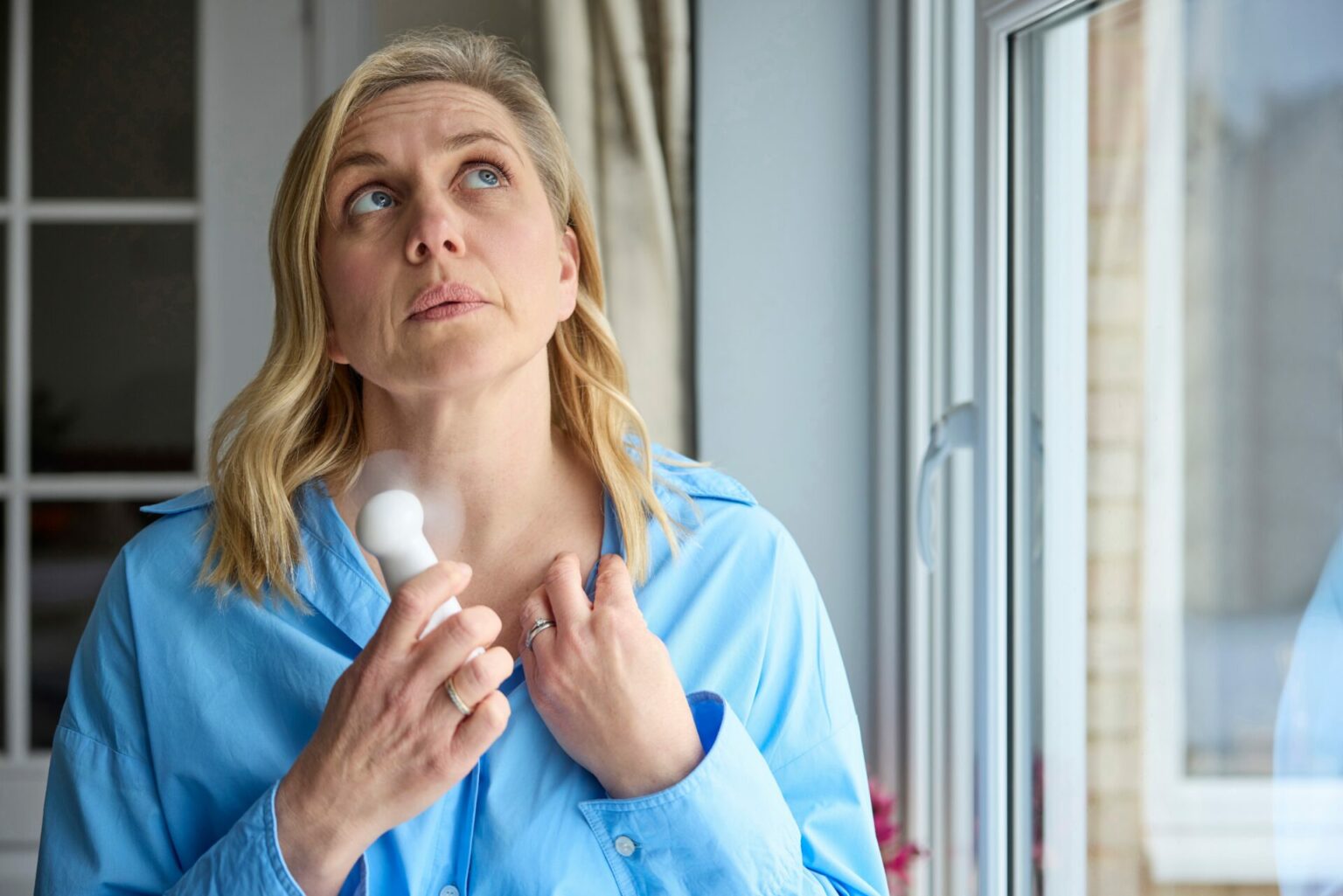
Millennials are the generation breaking tradition over and over. The way those born between 1980 and 1996 have approached life is much different from that of their mostly boomer parents. Millennials aren’t afraid to talk about their feelings. In fact, more millennials are in therapy than their boomer parents, via Newsweek. So it makes sense that the “Oregon Trail” generation would approach midlife differently as well.
The 30-45 age group lived their young adulthood by the seat of their pants. They were often unsure of what would come next, thanks to frequent natural disasters and national tragedies. The traditional ways of previous generations disappeared as market crashes made jobs hard to come by and housing unaffordable. Now that group is out of their 20s and a bit more settled. They are approaching middle age, and rather than pretending it’s not happening, they are instead embracing the changes.
Millennial women are bringing perimenopause, aging, and hormonal health out of the shadows, transforming a once-taboo life stage into a conversation about empowerment, identity, and community.
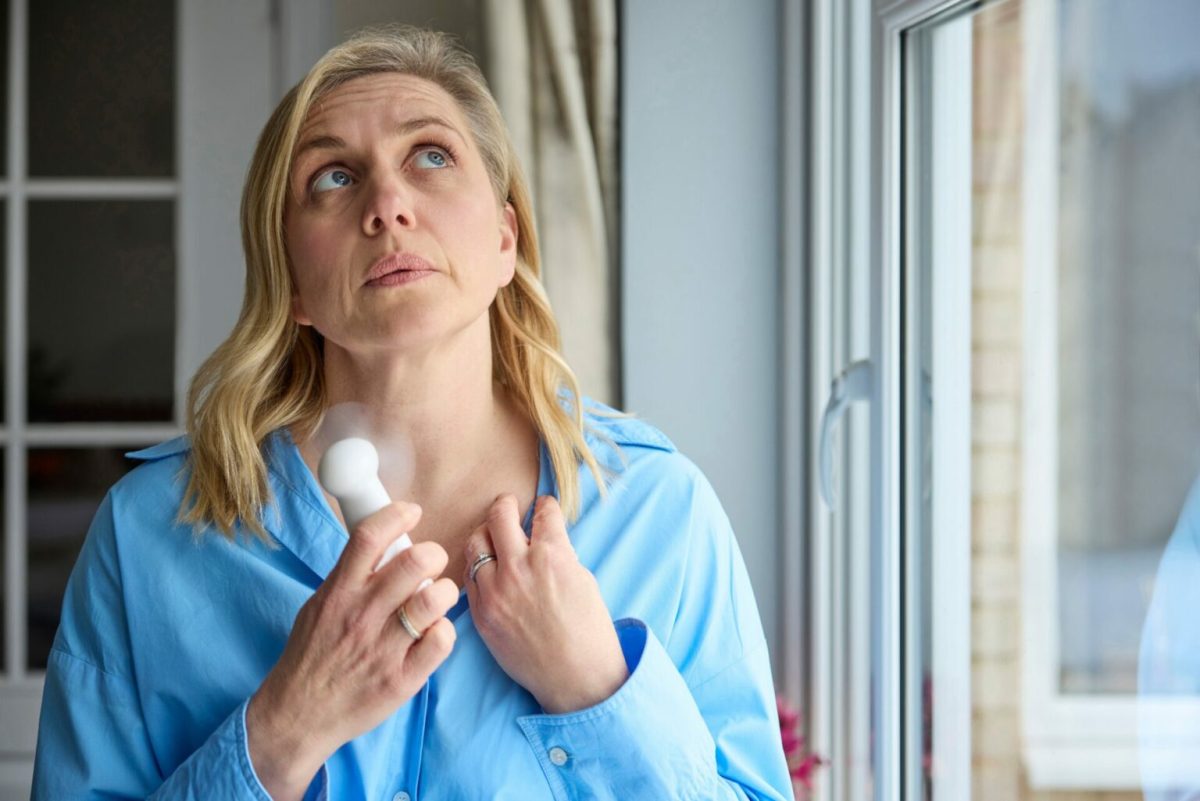
The Generation That Overshares Is Changing Midlife
Social media is a major part of day-to-day life for most people over the age of 10. Facebook, Instagram, and TikTok have become communities instead of just platforms for sharing your lunch or vacation. The generation that came to test the waters of social media is at it again. Women in their late 30s to early 40s are reaching an age when their bodies are changing in unfamiliar ways. Enter perimenopause.
Meaning the time before actual menopause, perimenopause was recognized clinically in the 1970s (via Flowspace). The term holds significant weight and is an umbrella term for every symptom, including hot flashes, brain fog, mood changes and 100s of other changes affecting aging women’s bodies. Most boomer and silent generation women suffered through these symptoms alone in the shadows. The topic was too taboo and was a “women’s trouble,” so it was often pushed under the rug.
Now that millennials are reaching the age where perimenopause can begin, they have questions and frustrations, so they take to social media. Because they were uninformed, many women are creating communities to share symptoms, issues, and just general feelings about the changes. Creators like Melani Sanders and brands like The Midst have leaned into the topic, using their platforms to raise awareness. What once felt isolating is becoming a collective conversation.
Perimenopause Is Arriving Earlier Than Many Millennials Expected
Menopause is often associated with older women, well into their 60s, with gray and white hair and in their retirement years. What is surprising about perimenopause is that symptoms can start in your late 30s and early 40s (via Cleveland Clinic). Because previous generations did not share these changes, many women are finding out the hard way by going to the doctor or experiencing a symptom out of nowhere.
As a generation, millennials embrace wellness culture, so it’s ironic to discover just how little they were taught about hormonal changes. Most schools in the U.S. offer some education on puberty, though much is left out and there are inconsistencies across the board. What schools don’t seem to touch on is aging and hormonal shifts as you continue to grow well into adulthood. This lack of education and complete silence from prior generations play a major part in the lack of awareness around perimenopause.
As women navigate aging, they are finding out that something that was once considered an older woman’s issue is actually affecting them earlier than expected. And perimenopause can last anywhere from 4 to 10 years. As awareness grows, women seek answers online when traditional healthcare systems fail to provide clear guidance.
Social Media Turned a Private Experience Into a Public Conversation
Millennials feel comfortable online, sometimes oversharing, which can lead to embarrassing moments or misdirected feelings. On the other hand, the comfort of social platforms fosters a shared experience, creating a sense of community. TikTok, Instagram, podcasts, and online forums have become informal support networks. Women are sharing symptoms, treatment experiences, and frustrations with healthcare providers.
Creators like Melani Sanders are using their platform to embrace aging and provide a supportive space for others going through similar situations. Sanders created the “We Do Not Care Club,” a movement in which women over 30 share how fed up they are with societal norms about aging. Each post is full of reasons why “We Do Not Care,” including everything from changing weather to laundry and other household tasks. The post starts by putting everyone on notice. The way Sanders has created humor around awareness makes her content relatable and digestible. Often giving others the freedom and support to express themselves and tell their stories.
Viral content like Melani Sanders’ helps normalize conversations that were once considered embarrassing or inappropriate. Brands like The Midst are also part of the conversation, creating shared spaces and providing expert commentary on the particular stage of life. Articles include cold hard facts and real-life stories as well as information sessions. The internet often gets a bad rap for oversharing, but here it has become a tool for education and community building.
Millennials Are Rejecting the “Invisible Woman” Narrative
Previous generations were often told that aging diminished their value. Ads from the 50s included harsh truths: women were measured by their looks, while men could age gracefully. Cultural norms dictated when a woman was considered “old” and that she had to suffer through menopause in silence. But millennials are challenging tradition and resolving that youth doesn’t equate to value.
For women over 30, midlife is increasingly becoming a period of reinvention rather than decline. According to Business Insider, millennials are waiting to marry, establishing their careers and lives before finding a partner or having children. With life’s milestones hitting later in life, it’s no wonder the generation that embraced therapy and wellness trends is refusing to treat middle age as anything more than just another milestone.
Millennials grew up discussing therapy, mental health, and personal experiences more openly than previous generations. They are more likely to seek community, question medical advice, and advocate for themselves. The same generation that normalized conversations about anxiety and burnout is now doing the same for menopause.
Midlife Is Getting a Rebrand
The most millennial thing about this trend may not be the social media posts themselves. It’s the collective insistence that information, community, and honest conversations should be available for everyone navigating a major life transition. Increased visibility is driving demand for research and better healthcare resources. More employers are beginning to acknowledge menopause-related workplace challenges. Greater awareness may lead to earlier diagnosis and treatment options.
Millennials are transforming a traditionally hidden life stage into something visible and communal. The real story is not simply about menopause. It’s about a generation refusing to disappear, refusing to be embarrassed by aging, and creating a new blueprint for what midlife can look like.
Have a tip we should know? [email protected]
Follow The Mary Sue:
