


Hegseth doubles deep cuts to top brass, setting off a massive leadership reshuffle at the Pentagon
‘Less generals, more GIs.’
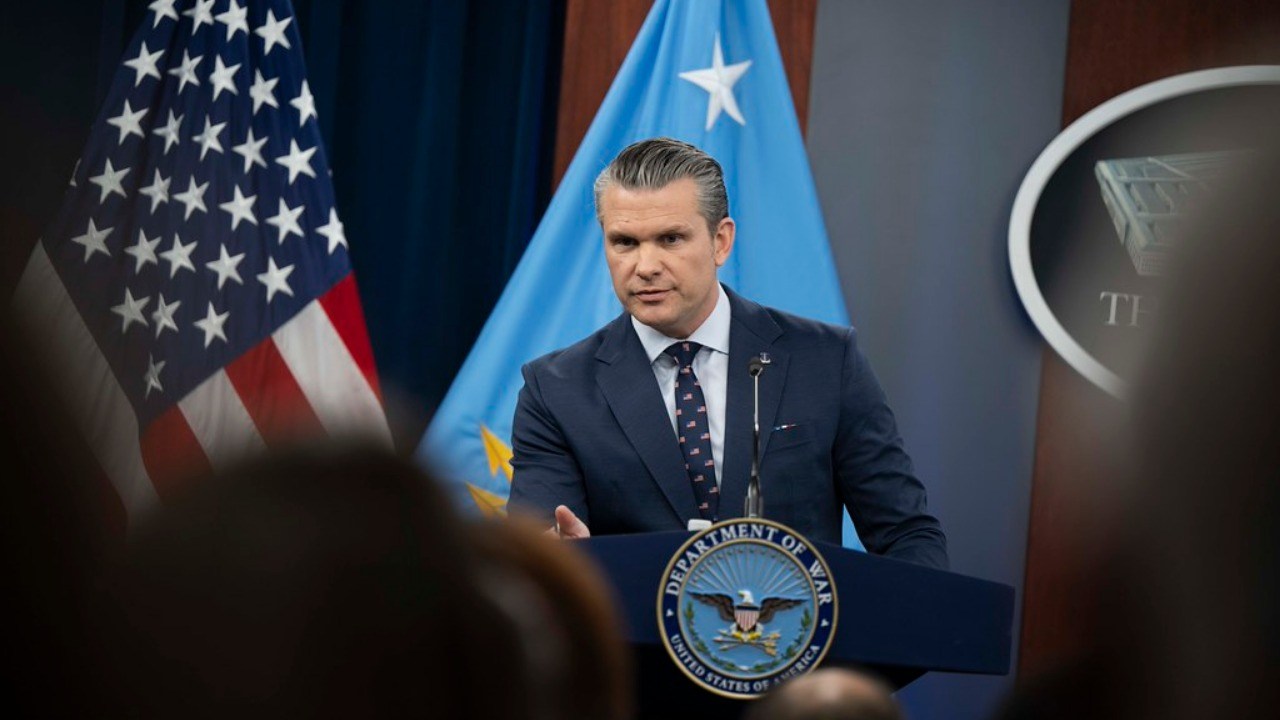
War Secretary Pete Hegseth is significantly escalating his efforts to reshape the senior leadership of the United States military. According to Fox News, he is preparing to announce a plan to reduce the number of positions reserved for generals and admirals by 20%. This major shift will be the centerpiece of his State of the Force address on September 30, 2026. The event is scheduled to take place at the Marine Corps Base Quantico in Virginia.
This new target effectively doubles the 10% reduction goal that Hegseth established last year. All service branches, including the Army, Navy, and Air Force, must implement these changes by January 1, 2027. The scope of this initiative is quite broad. It covers the military’s joint pool as well as individual service branches. Hegseth has already approved specific reduction plans for these entities earlier this month. These directives were confirmed through internal memos.
The upcoming address marks a clear continuation of his broader strategy to streamline the military hierarchy. He frequently refers to this initiative as “less generals, more GIs.” The core idea is to strip away unnecessary layers of bureaucracy within the senior ranks. By doing so, Hegseth intends to push authority and resources closer to the troops who are actually involved in combat operations.
These cuts are intended to function on a practical level
The reduction applies to billets, which are positions specifically designated for generals and admirals. This is not an immediate, across-the-board removal of 20% of the officers currently serving in those ranks. Instead, some of these positions will be downgraded rather than eliminated entirely.
In a September 16 memo, Hegseth directed officials to identify roles that could be filled by colonels or Navy captains. This move effectively replaces general officer requirements with O-6 requirements for certain billets. This transition follows a year of significant turnover within the Pentagon. Since January 2025, President Donald Trump and Hegseth have fired or pushed into retirement more than two dozen military leaders.
This list includes high-profile figures like the Army’s top uniformed officer, General Randy George, who was fired in April. The administration has also dismissed the only two women who were serving as four-star officers. Furthermore, the Army secretary, Dan Driscoll, resigned earlier this month following repeated policy clashes with Hegseth. These departures, combined with various denied promotions, have impacted hundreds of current and rising military leaders.
The environment surrounding this address will be notably different from previous years
Last year, Hegseth summoned hundreds of generals and admirals to Quantico to set his expectations and warn those who opposed his reforms to step aside. This year, the audience will consist of top-performing service members. These troops were selected based on fitness levels, body composition, and adherence to high grooming and uniform standards. Some of these attendees are even expected to participate in a workout session with the War Secretary.
Hegseth has consistently framed these actions as a necessary process for the health of the armed forces. When he announced the initial round of reductions in May 2025, he stated, “This is not a slash-and-burn exercise meant to punish high-ranking officers.”
He further described the effort as a “deliberative process, working with the Joint Chiefs of Staff with one goal: maximizing strategic readiness and operational effectiveness by making prudent reductions in the general and flag officer ranks.” He has also used this platform to signal an end to what he calls “woke” culture, introducing new directives for physical fitness standards.
However, the plan is facing pushback from legislative leaders
According to Al Jazeera, Senator Jack Reed, a Democrat from Rhode Island and the ranking member of the Senate Armed Services Committee, has voiced serious concerns. He argued that such substantial changes to senior leadership must be carried out in consultation with Congress.
In a public statement, Reed said, “Congress has been clear with the Secretary that he must consult this body and explain his reasoning for senior officer removals and promotion holds. To date, we have not received satisfactory answers.” Reed also highlighted the potential risks of these rapid changes. He warned that the military is currently managing major operations across the globe and the force is already under significant strain.
Reed added that the planned cuts “should alarm every American.” While the total number of general officer positions is established by law, the administration can effectively reduce the number of active leaders by simply not submitting new nominees to Congress for approval. As the January 1, 2027, deadline approaches, the Pentagon will be working to finalize these structural adjustments.
It is clear that Hegseth remains committed to his vision of a leaner, more streamlined command structure. Whether this approach yields the desired increase in effectiveness remains a point of intense debate among policymakers and military observers alike. For now, the focus remains on the specific implementation of these 20% reductions across the service branches.
Have a tip we should know? [email protected]
Follow The Mary Sue:
