


DOJ announces charges against 16 immigrants in new election-fraud crackdown
These cases are about more than who cast a ballot.
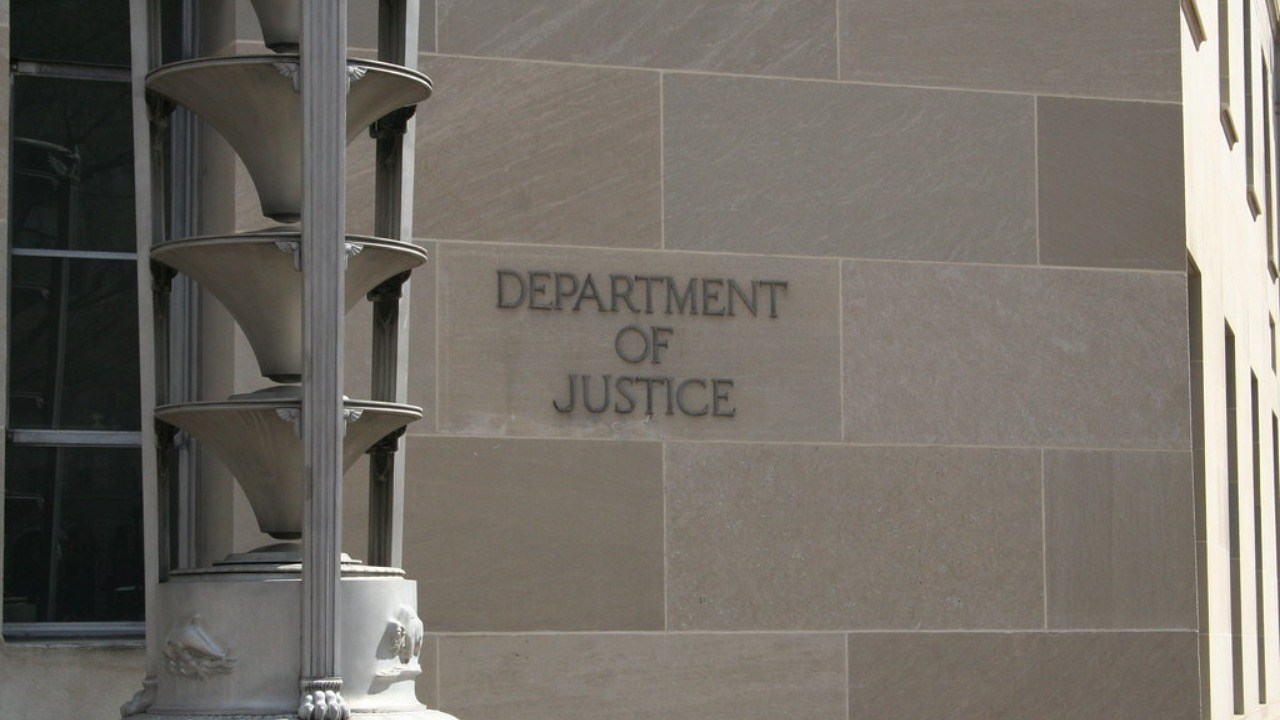
The U.S. Department of Justice charged 16 noncitizens with election-related crimes across four states, including allegations of illegally voting in federal elections, according to a statement released Monday. The cases involve defendants from 14 countries and were brought in Florida, Louisiana, Minnesota, and Wisconsin.
The charges include illegally voting as a noncitizen, falsely claiming U.S. citizenship to register or vote, and making false statements during naturalization proceedings. It was announced days after a federal judge ruled that the federal law used to prosecute noncitizen voting was unconstitutional in a separate case involving a Jamaican national in Florida.
The latest cases are part of a broader push by the Trump administration to change how federal elections are administered ahead of the midterms. Earlier this month, the administration also faced a lawsuit after removing a checkbox from a federal voting form used by Americans living overseas, with the Democratic National Committee arguing that the change was made improperly.
The allegations are more varied than they first appear
In Florida, Italian national Andrea Catanese, 60, was charged with allegedly voting in the 2024 general election and later falsely stating on his naturalization application that he had never voted in a federal election. Bahamian national Terrance Patrick Evans, 37, was also charged with allegedly voting in the 2024 federal election despite allegedly knowing he was not a U.S. citizen. Both are lawful permanent residents, according to the DOJ.
In Louisiana, three lawful permanent residents were indicted for allegedly voting in federal elections. The defendants are Cuban national Pedro Pablo Ruiz, Mexican national Zianya Yllaly Zamorano and Nicaraguan national Dudley Francisco Zeledon.
Wisconsin’s case involves Sara Luma, a 30-year-old North Macedonian national and lawful permanent resident. Prosecutors allege that Luma registered to vote on Election Day in 2024 and signed a registration form falsely certifying that she was a U.S. citizen. The DOJ said she later admitted to a federal law enforcement agent that she registered and voted that day.
The law is not as straightforward as it seems
The remaining 10 defendants are in Minnesota, where the DOJ alleges cases involving nationals of Liberia, Lithuania, Ghana, Germany, Bosnia and Herzegovina, Brazil, Canada and South Africa. One defendant, 63-year-old Ghanaian national Joshua Frederick Kofi Edzie, is accused of falsely claiming U.S. citizenship to vote in 2024 and again in August 2026.
The charges come as the Trump administration continues pursuing cases involving alleged noncitizen voting. Last week, U.S. District Judge David Leibowitz ruled that the federal statute criminalizing noncitizen voting was unconstitutional in a case against Chelsea Cox, a Jamaican national accused of voting illegally in Florida’s 2020 election.
Leibowitz found that Congress did not have the constitutional authority to establish voter qualifications for federal elections. Apart from election cases, the Supreme Court is also preparing to review the administration’s mandatory immigration detention policy after nine federal appeals courts ruled that the policy was unlawful, a separate case that could further test the administration’s authority over immigration enforcement.
Have a tip we should know? [email protected]
Follow The Mary Sue:
