


Cork councillor proposes ‘the world’s smallest statue’ for the mosquito that allegedly bit Oliver Cromwell. Then the city council blocks the plan
Mosquitos rarely receive statues.
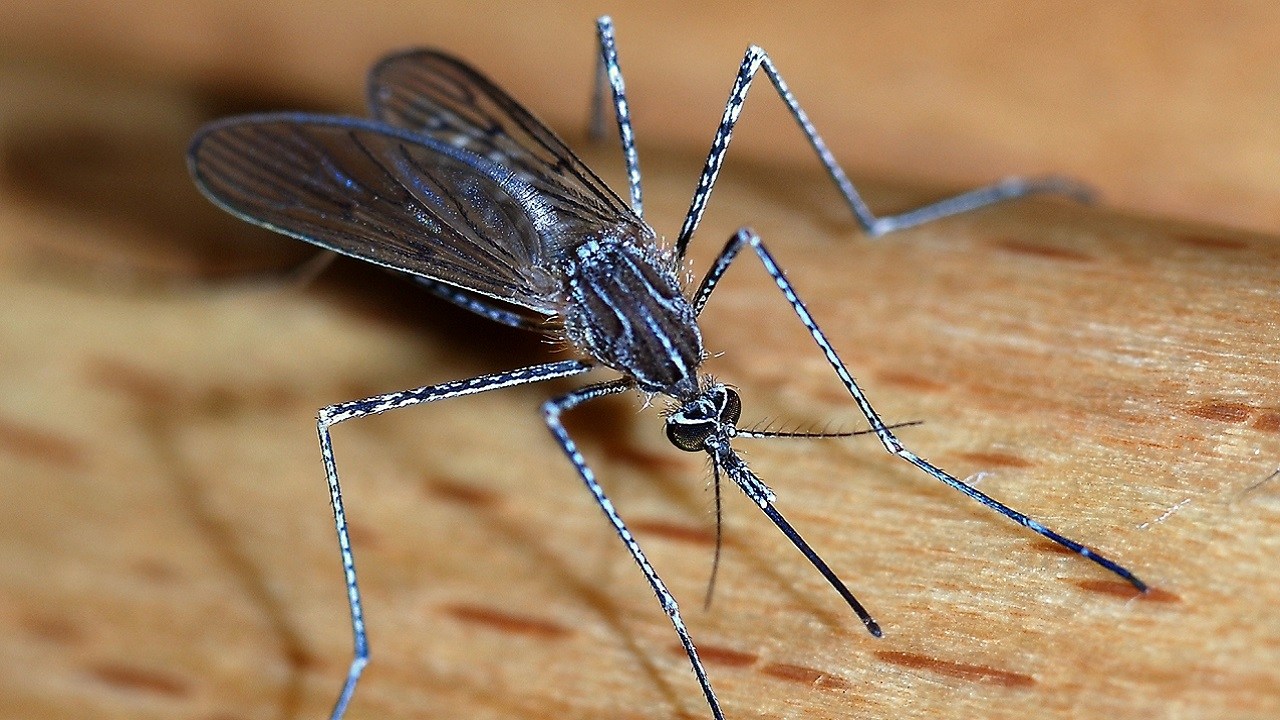
Councillor Oliver Moran brought a proposal to the Cork City Council that proposed building the world’s smallest statue to honor the mosquito that according to legend bit Oliver Cromwell, according to the Irish Independent. Cromwell occupied Cork in 1649 and later died from Malaria in 1658, leading to the legend that Cromwell was bitten by the Malaria-carrying mosquito while in Cork.
The city council advised against the plan to build a statue of this mosquito. The explanation given by Rebecca Loughry, the Director of Services, was that the Arts Office “would advise against a commemorative artwork that would take as its starting point the celebration of the death of an individual.”
The council was also concerned about the fact that Malaria is still a threat to many lives each year and that a statue like this would tie Cork to Cromwell. Moran said, “My initial motivation for this motion, along with a series of others, was to provoke people to think wider about the kinds of figures and things we commemorate.” The outlet said that he hopes the statue can still go ahead.
Moran says the statue could still take malaria seriously
Moran told the outlet, “I think we can do that while also acknowledging the seriousness of the subject matter, malaria, then and now. I suggested Elizabeth Fort as a location. We’ve already installations there that are gruesome, but they’re set in the context of the time.”
Elizabeth Fort was in use for over 400 years, according to Cork’s city website. The tours feature the remnants of its history and the ways it was used over the years, which include its use as a military barracks and a convict depot for the transportation of women prisoners.
Moran requested an updated report at the next meeting about how to proceed with the statue. The next Cork City Council meeting is scheduled for November 23 and is meant to address the annual budget.
Cromwell’s reputation led to Cork surrendering to him
According to Cork Heritage, Cromwell first came to Ireland in 1649 and took control of Drogheda following a massacre. Cork Heritage said his methods of conquest were so well-known and feared that Cork knew of the atrocities he committed before arriving, and when he got to Cork roughly two months later, Cork had already surrendered to him.
Cork Heritage said the Irish Catholic population was under restrictions starting in 1649 with Cromwell’s occupation of the area. However, the Protestant influence in the area and on the English monarchy had those restrictions last beyond Cromwell’s death until King James II, a Catholic, took the throne in 1683.
Beyond the rejection that Moran received for the proposal when he brought it up, there haven’t been further updates regarding the future of the Cromwell mosquito statue.
Have a tip we should know? [email protected]
Follow The Mary Sue:
