


Burning Man Reels as a Third Attendee Dies in Transit, Shattering the Festival’s Annual Safety Average
Another life lost.
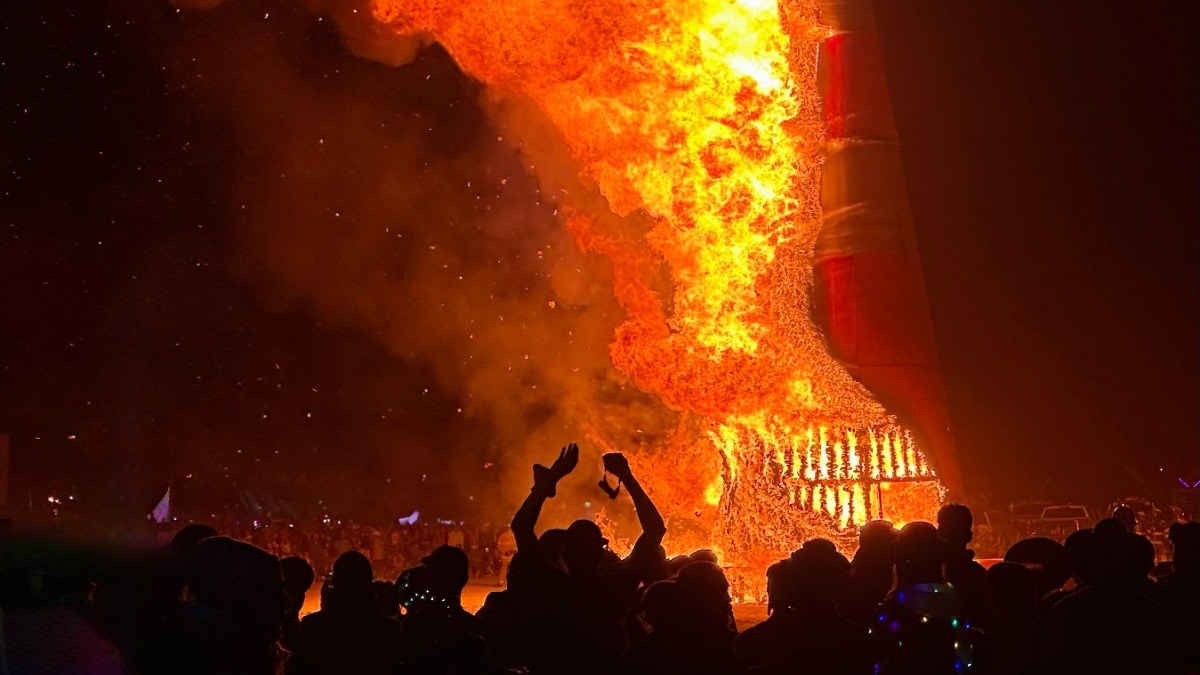
Burning Man has seen a tragic shift in its annual safety statistics this year, as officials confirmed a third attendee has died. This development is particularly jarring for the community because the festival typically averages only one death per year. The event, which brings roughly 70,000 people to the harsh environment of the Black Rock Desert in Nevada, concluded on September 7, leaving behind a somber shadow over what is usually a celebration of art and community.
According to NBC News, Jerry Allen, the Pershing County sheriff and coroner, provided clarity on the situation in a statement on Monday, September 7, 2026. Allen noted that while two of the deaths occurred within the confines of the festival, this most recent fatality happened while the individual was being transported to medical care about 120 miles south of Black Rock City.
The Washoe County Sheriff’s Office is expected to be involved in the jurisdictional process, as the death occurred within their territory. The sequence of events leading to this grim outcome began early in the festival.
Burning Man started on August 30 this year
The first death involved a man in his mid-50s named Sampson Tshombe. According to the sheriff’s office, deputies were called to the scene after Tshombe was found on a street within the festival grounds. Emergency personnel performed CPR for several minutes before transporting him to Rampart, the temporary hospital set up on the playa. Despite these immediate lifesaving efforts, a certified doctor at the facility pronounced him deceased.
Following that, a second attendee, 60-year-old Craig Mann, was found dead in his trailer on September 5. He had been sharing the space with his partner, and his campmates discovered him at approximately 3 p.m. While the details surrounding his passing are still limited, officials have stated that a preliminary investigation did not indicate any signs of foul play.
The third death, which occurred in transit to a Reno hospital, marks a significant departure from the typical safety trends observed at the event. For context, the Washoe County Medical Examiner’s Office is now tasked with conducting autopsies and toxicology screenings for these individuals.
Those results are likely to arrive in approximately six to eight weeks, which will hopefully provide more clarity on the medical factors at play. The authorities have consistently ruled out foul play in these three cases, distinguishing them from the more unsettling events of the previous year.
Last year, the festival faced a different kind of tragedy when a 37-year-old man was found dead in a pool of blood on the final day. That case was investigated as a homicide, marking the first time such an event had occurred in the festival’s nearly four-decade history. That investigation remained unsolved as of the most recent reports.
The rise in fatalities this year has also sparked conversations regarding the shifting demographics of the festival
Data from the annual Black Rock City census shows that the participant base is aging. According to The Guardian, in 2014, attendees in their 20s made up about 30% of the crowd, but by 2025, that figure dropped to 10%.
Conversely, the percentage of attendees in their 40s and 50s has seen a notable increase. With the three men who passed away this year being over the age of 50, these statistics are drawing more attention from those observing the festival’s evolution.
The Burning Man organization has maintained a supportive stance throughout these events, issuing statements to express their condolences to the families and friends of those lost, per UNILAD. In their official communication regarding the first death, they emphasized that the participant received immediate care and that the safety and well-being of the community remain their highest priority.
Burning Man’s statements reflect the difficulty of managing a massive, temporary city built in the unforgiving conditions of the Nevada desert. The history of this event makes it clear that the challenges of hosting such a large-scale gathering are significant. Whether it is the physical toll of the environment or the changing age profile of the participants, the organizers and local law enforcement are clearly navigating a complex situation.
A stark reminder of the risks associated with extreme environments
The combination of the desert heat, the remote location, and the sheer scale of the temporary city makes every medical emergency a high-stakes scenario. With the festival now concluded for the year, the focus will remain on the official findings from the medical examiner.
The toxicology reports and autopsy results are expected to provide clarity in fully understanding what transpired during this difficult week in Nevada. For now, the focus remains on the families impacted by these losses and the ongoing administrative process to finalize the records for each of the three individuals.
(Featured image: Steve Jurvetson)
Have a tip we should know? [email protected]
Follow The Mary Sue:
