


House Democrats Are Sounding the Alarm on ICE’s New $16.7M Contract, Fearing the Latest Purchase Will Become a Tool for State-Sanctioned Brutality
Increased harm. Decreased accountability.
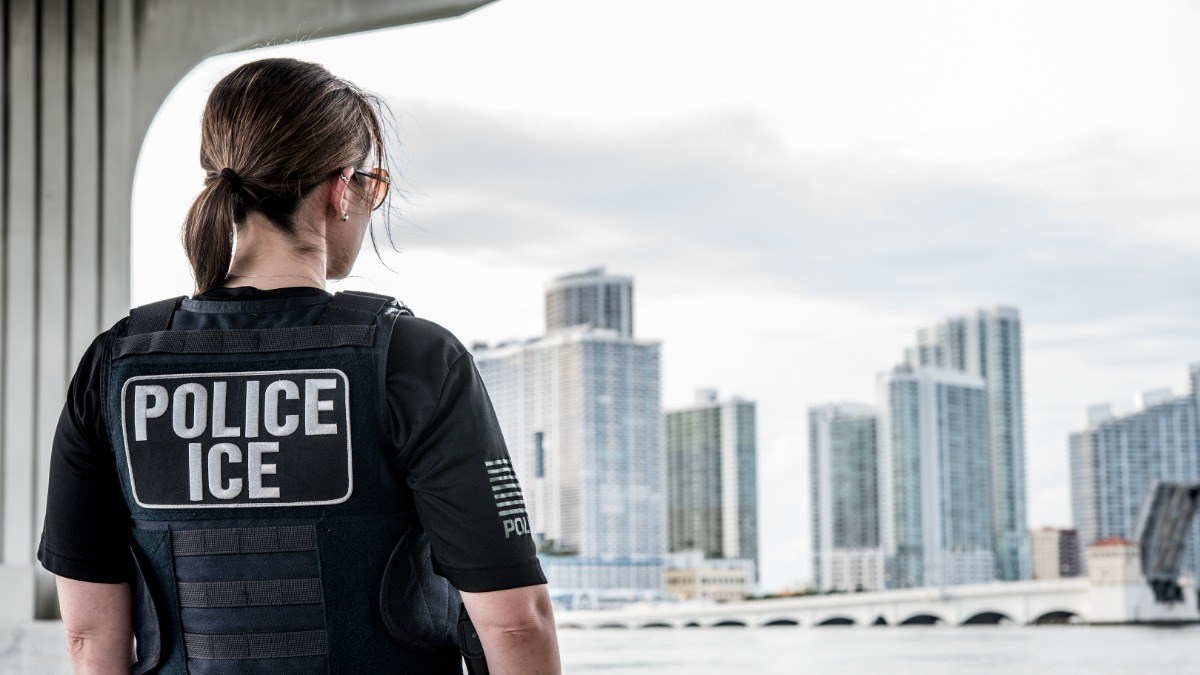
House Democrats are pushing back hard against a massive new expenditure by Immigration and Customs Enforcement (ICE), specifically targeting a $16.7 million contract for thousands of electric shock gloves. This move has sparked a significant debate regarding the agency’s tactics and the potential for increased violence using this tool during immigration enforcement operations.
According to The Hill, the contract, which covers 6,000 pairs of the Generated Low Output Voltage Emitter, or G.L.O.V.E., products from Compliant Technologies LLC, was detailed in a funding notice released last month. On Monday, August 31, 2026, members of the House Committee on Homeland Security made their stance clear, expressing strong opposition to the plan.
The lawmakers, including Reps. Lou Correa, Shri Thanedar, Seth Magaziner, Dan Goldman, Timothy Kennedy, LaMonica McIver, Julie Johnson, and Pablo José Hernández, sent a letter to ICE acting director David Venturella. The letter said, “We have many questions about ICE’s nearly $17 million contract for a device that is likely to be incorrectly used or abused by officers and agents resulting in more violence, injury or deaths.”
This isn’t just about the money, though $16.7 million is no small figure
The core issue of the case is the history of how these tools are deployed in the field. The lawmakers pointed to a trend of violent force during enforcement actions, referencing reports that agents have shot at least 23 people and killed six others since last year. It’s a concerning pattern for those who believe the agency needs more oversight, not more weapons.
The device itself is designed to act similarly to a taser, just with a lower voltage level. While some local law enforcement entities, such as the Oklahoma County Jail, have utilized this technology, the transition to federal immigration enforcement has triggered alarm bells for many.
Not surprisingly, the Department of Homeland Security (DHS), which oversees ICE, is standing by the decision. A spokesperson pushed back against the criticism, suggesting that the opposition is rooted in a lack of support for federal agents.
The spokesperson told the media, “Congressional Democrats have made it clear that they no longer support the brave men and women of ICE, and the inflammatory rhetoric they and their allies have levied against them has led to unprecedented levels of threats and assaults.” They also emphasized that federal officers are “highly trained in de-escalation tactics and regularly receive ongoing use of force training.”
This friction comes on the heels of another letter sent last week by Democratic senators
That letter also voiced deep concern over the purchase. The senators were quite blunt in their assessment, writing, “Over the past year, ICE personnel have been involved in numerous well-documented incidents of excessive force and civil rights violations.” They argued that these incidents demonstrate that ICE personnel are not adequately trained or accountable for their interactions with civilians.
The controversy is further complicated by the agency’s broader procurement strategy. Beyond the gloves, ICE is planning to spend up to $2 million on robot dogs to assist agents with immigration operations, according to a funding document posted on Thursday, August 27. These robots are equipped with cameras and chemical detectors.
An ICE spokesperson explained that these robots will be used as “an additional tool to safely assess potentially dangerous situations” before deploying officers to a scene. The spokesperson added, “This technology does not replace law enforcement officers or their judgement — it simply provides another option to help protect officers and the communities they serve.”
The agency plans to use the gloves in high-tension environments
According to Al Jazeera, the purchase of the gloves, which was revealed in a federal database notice on August 28, 2026, is part of a no-bid contract with the Kentucky-based firm Compliant Technologies. The agency claims these devices will be used in high-tension environments, such as during arrests, while transporting combative detainees, or when managing civil disturbances outside detention facilities.
They maintain that the shocks offer an alternative to more severe forces like firearms. The agency stated, “It will be used when a subject is actively or passively resisting and an officer needs to gain control quickly to prevent injuries to both parties.”
Critics, including the American Civil Liberties Union, have countered that giving immigration agents “a concealed means of delivering terrible pain is a recipe for more harm to the public and less accountability.” The sentiment is that without proper oversight, these tools could easily become instruments of abuse.
The recent history of the agency under Donald Trump’s immigration crackdown has only intensified these fears. More than 50 people have died in ICE custody since the president took office.
The DHS has doubled down
The department has maintained a firm stance, characterizing the pushback from lawmakers as a political maneuver. In its statement, the agency noted, “Sanctuary politicians attempting to ban our federal law enforcement from any safety equipment is despicable and a deliberate attempt to undermine and endanger our officers.”
As the debate continues, the focus remains on whether these new, high-tech tools will provide the safety the agency promises or if they will lead to the outcomes feared by those in Congress. For now, the contract remains in place, and the questions from lawmakers persist as they wait for more transparency on training and accountability standards.
(Featured image: usicegov)
Have a tip we should know? [email protected]
Follow The Mary Sue:
