


The Golden Age of Sports Anime Is Over—Now What?
With such a sensationalized rise in anime and an even more open acceptance of the once-scorned form of entertainment that struggled to be understood as a cross-cultural phenomenon, sports anime was once sought after with great desire. It was impossible to escape the presence of major titles, such as Slam Dunk or Free!, with intensely passionate fandoms investing deeply in the reimagination of peak athleticism. The massive scale of the anime industry is concerning-yet-celebrated; an immeasurable demand for more anime has cost the pillar of pop culture one of its most foundational sub-genres.
In such a cramped space, it feels as if the endless competition for anime to be noticed has made less room for legacy genres to retain their relevancy. Sports anime have felt increasingly scarce as new titles drown out other new arrivals, and streaming services’ anime libraries offer everything and nothing at all at the same time. The golden age of sports anime feels completely lost or left behind, dwindling off without a second shot of redemption as other genres stepped into the spotlight. Now that the height of sports anime has seemingly been reached, what’s next for those still craving the thrill of a championship tournament or career-defining goal pulled from the pages of a sports manga?
Sports Anime Are Left To Play Defense

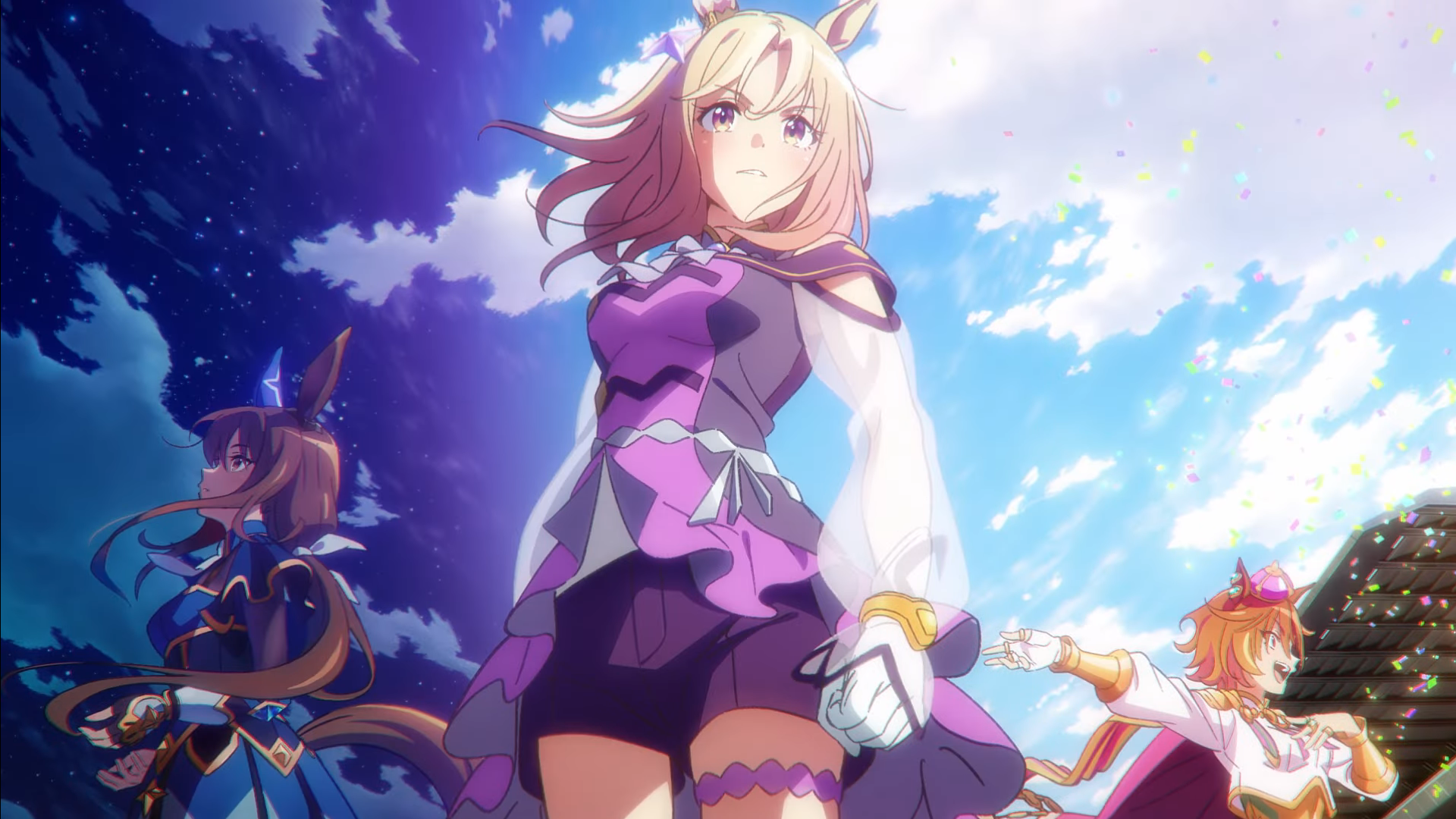
There are obvious outliers that completely challenge this statement: Blue Lock and Umamusume: Pretty Derby have put great emphasis on the notion that sports anime is not left behind. Then again, both are sports anime with multi-genre elements that allow them to look and feel more appealing, much like past sports anime titles that have warranted their own immense sense of popularity in the past. In contrast with major anime genres, though, sports anime feels at a disadvantage due to the subsiding of the golden age. From the 1980s to the mid-2010s, there was an insatiable demand for sports anime that dominated the genre. In the 2010s, series such as Haikyuu!! and Yuri!!! On Ice felt unavoidable. MAPPA’s majorly disappointing decision to abandon Yuri!!! On Ice signaled the end of an era, and Haikyuu!‘s closing chapter felt as if the anime industry was ready to depart from keeping sports at the forefront of the medium’s priorities. Sports anime have been sidelined, taking a back seat to edgier or bolder ideas from anime studios.
The encroachment of dark shonen anime signaled a massive shift for how new anime was to look and feel from the late 2010s into the 2020s. Jujutsu Kaisen, Demon Slayer: Kimetsu no Yaiba, and Chainsaw Man established a completely new tone that anime studios significantly flocked to, while still leaving room for other genres such as isekai or shoujou. Dark shonen clawed its way to the top, and sports anime began to take the shape of an afterthought. There are still remnants of love for sports-inspired stories in anime that refuse to give up their legacies, though it’s the overarching transition from era to era that inspires the idea that sports anime are struggling to keep themselves in demand. That drastic shift leaves most new entries in the genre buried beneath countless other series fighting to capture the affection of their fandoms, and the shocking decline of popular, new sports anime has presented fresh titles as an afterthought.
The golden age of sports anime insisted that sports anime were to be watched routinely, and studios knew that the consumerism around breakout series would give way to a loyal fandom. With such an oversaturation in other genres, and such a constriction on how accessible anime has become to watch affordably (or for free), sports anime have been left to suffer. There’s no one significant sports anime that’s challenged the state of how anime is consumed today. Umamusume: Pretty Derby has the support of its gacha game and idol-driven subplots to ensure it will be free of staleness; Blue Lock‘s upcoming live-action adaptation will consequently turn more eyes to the anime, thanks to now-interested newcomers ready to check out the source material for themselves. Without buzzworthy support, though, sports anime are asked to play defense when proving their worth against countless titles vying to do the same.
Can Sports Anime Rebound and Score Once Again?
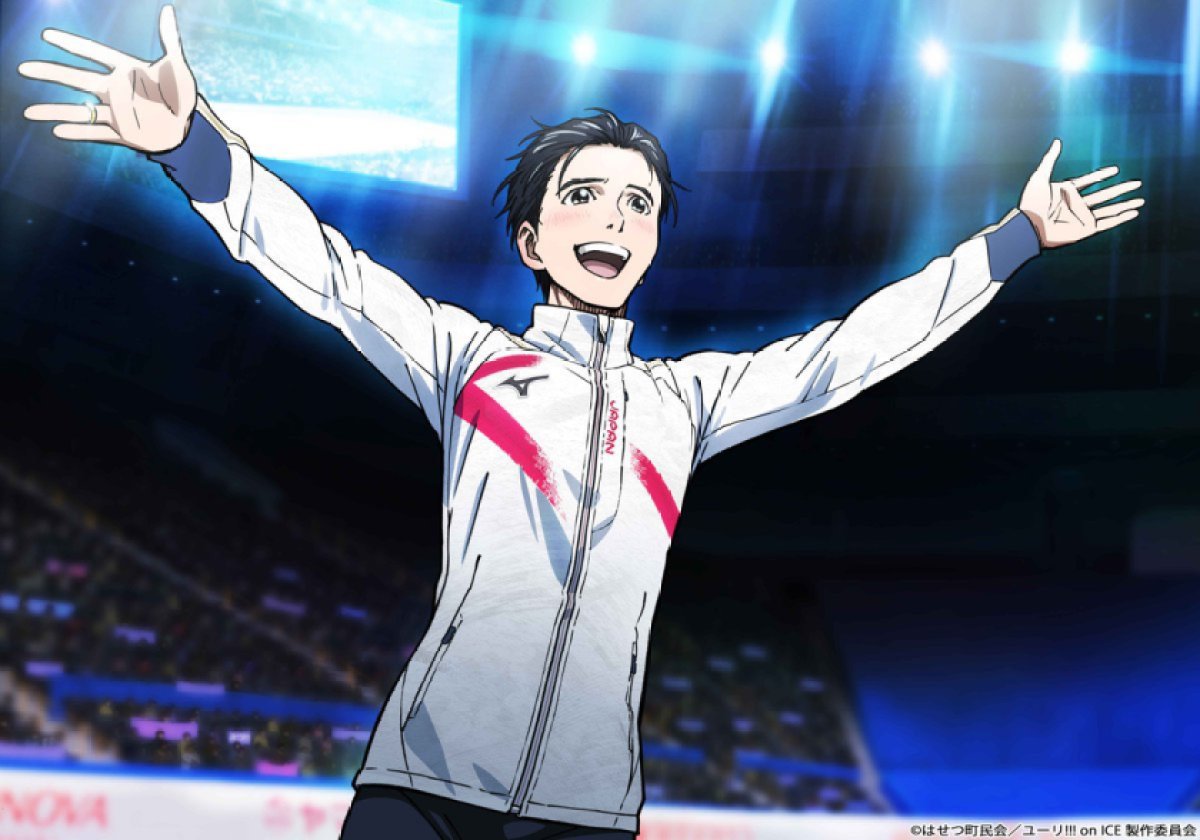
The fate of sports anime cannot be declared in absolutes. Though it may feel as if the genre is being benched, this time-out might be temporary. Just because a certain form of media is mostly out of sight, that doesn’t mean that it’s immediately out of mind. Some are still begging MAPPA to bring back Yuri!!! On Ice in the wake of the cancelled movie, which could revitalize a renaissance of sports anime. Haikyuu!!‘s 2027 movie also holds immense potential in revitalizing a want for sports anime in the mainstream again on a grandiose level. There’s plenty of potential and opportunity for sports anime to make its way back into the public eye, even if the genre’s most notable height was reached around a decade ago.
The golden age of sports anime is now retired; that doesn’t eclipse the changes of sports anime embracing an underdog story of its own. The irreplaceable excitement is hard to recover with the same earnestness and investment, though there’s hope that the genre won’t be forfeited without reason. The harder fans push for sports anime to be championed once again, the more studios will be reminded that there truly is a love for a subset of anime that’s not been fully forgotten. Sports anime has served as a foundation for anime’s prominence in the modern day. Just because the golden age has come and gone, that doesn’t mean that it’s time for sports anime to tap out.
Have a tip we should know? [email protected]
Follow The Mary Sue:
