


The 10 Most Tragic Love Stories in Cinema
Bad timing. Communication breakdowns. Cruel twists of fate. There are plenty of reasons why romance can take a turn for the worse, but the turns these tragic romances take are the worst of the worst. While the inevitable end of love is an unavoidable truth that all lovers must contend with, the lovebirds among us can be comforted by the fact that no matter how bad your breakup seems, it could have been way worse. In the 21st century, tender-hearted people like you and me thankfully don’t have to worry about our love stories ending the way they did for the tragic pairs in some of these historical romances. These are the 10 most tragic love stories in cinema, for when you need a good cry or a little perspective to dry your eyes with.
Cecelia and Robbie — Atonement
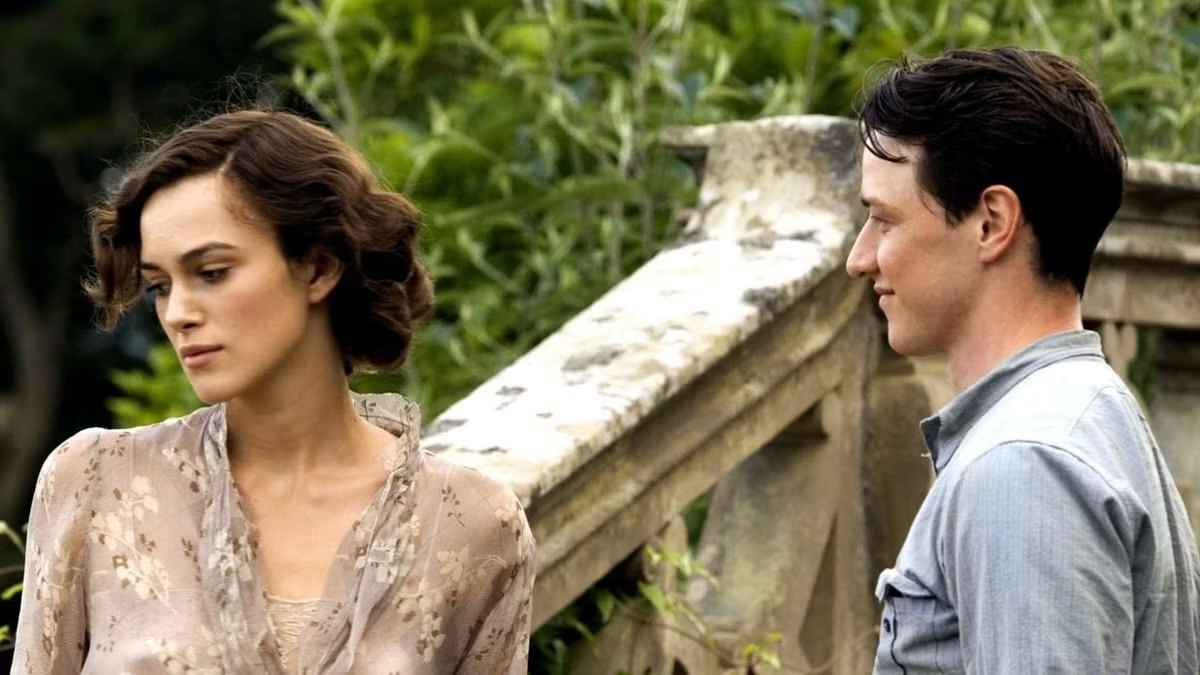
What’s more tragic than the end of love? The end of love that never got to bloom fully. Joe Wright’s Atonement features a couple who should have been together, deserved to be together, but because of the meddling of one little girl, never got to live out their lives together. Cecelia and Robbie are a more grounded Jack and Rose, two lovers from opposite social strata who fall for one another but are cruelly separated due to the life-changing implications of one misunderstanding. Young Briony’s lie flung these lovers to opposite ends of a World War, and rather than living out their days in peace, they tragically die young, alone, and miles away from each other. Briony’s novel gave them a happy ending, but it’s corpse-cold comfort.
Jack and Rose — Titanic
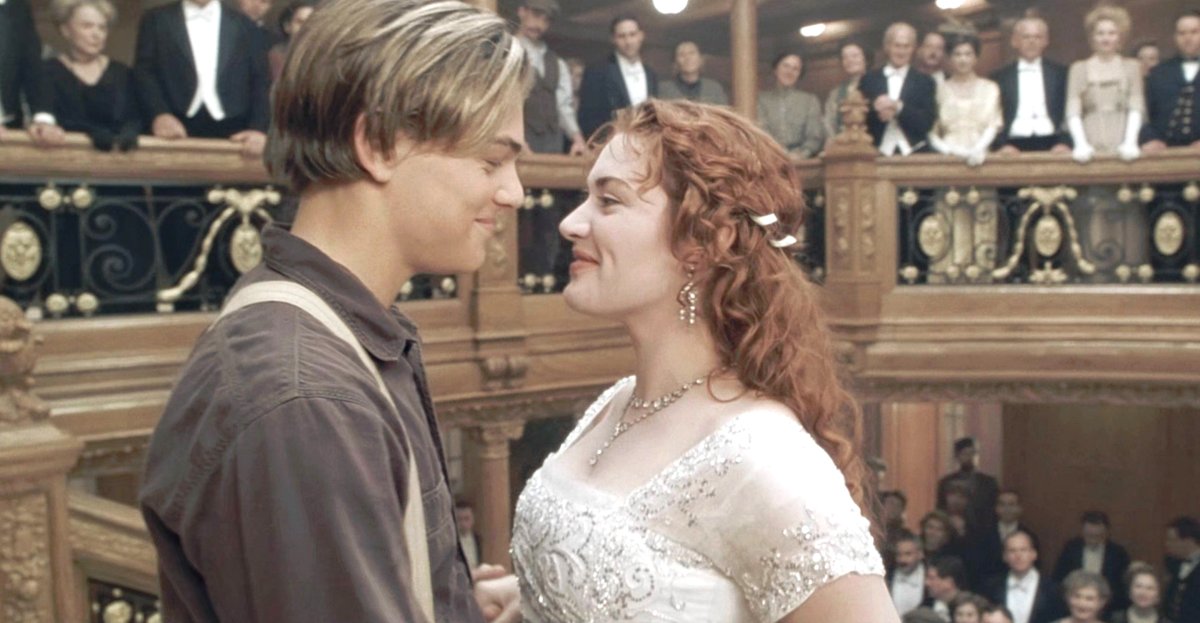
The poster children for tragic romance, Jack and Rose have become modern-day Romeo and Juliet. By virtue of the ship on which their love story began, the central lovers of James Cameron’s Titanic were doomed from the moment it sailed from Southampton. But freezing to death in the North Atlantic aside, it’s unlikely that Jack and Rose’s romance would have survived even if the ship had safely reached its destination. He was a charming rogue from the lower decks; she was an upper-class girl engaged to be married. At the turn of the 20th century, love stories like that just weren’t supposed to happen. The beauty, and tragedy, of the film is that — if only for a moment — Jack and Rose’s did. That said, honorable mention to the nameless old couple lying in bed together as the water poured in while the ship sank. Now that’s tragedy.
Ennis and Jack — Brokeback Mountain
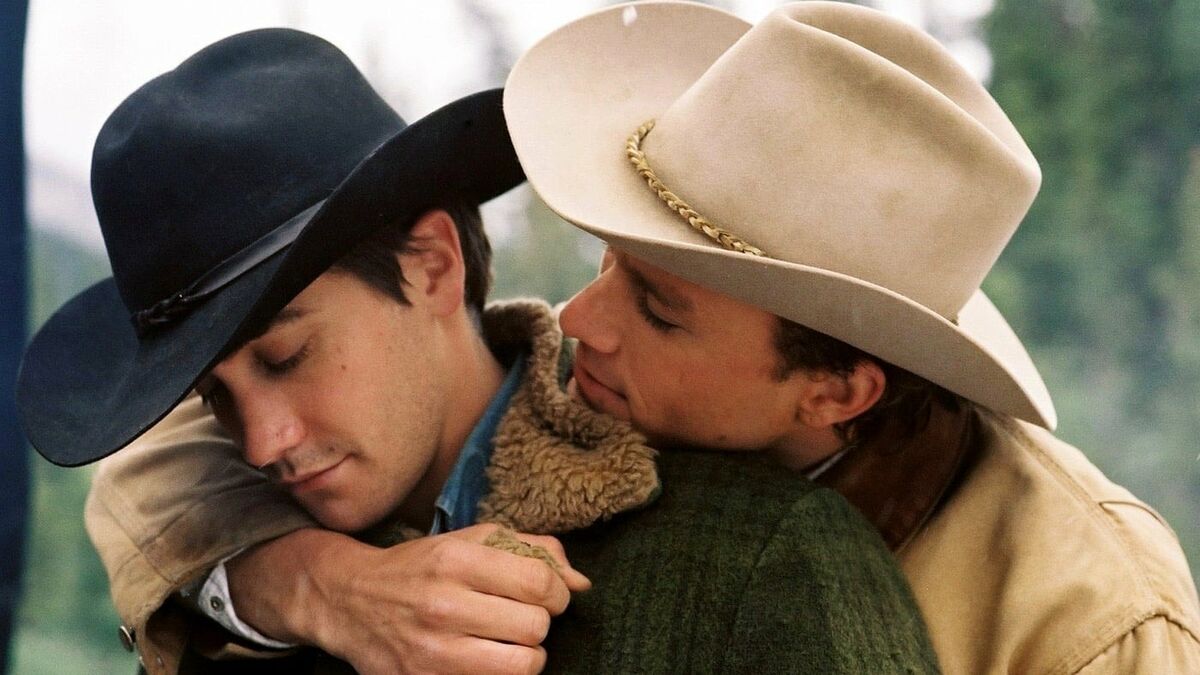
The ultimate expression of the “gay cowboys” trope, Jack Twist and Ennis Del Mar’s love story is the horse-riding, sheep-herding heart of Ang Lee’s Brokeback Mountain. Their greatest tragedy? They were born in the wrong place, wrong time. After hooking up out on the range in 1960’s Wyoming, Jack and Ennis are unable to square the love they feel for one another with the social expectations for men at the time. Through messy mountainside fights, clandestine fishing trips, and decaying marriages with their respective wives, these two cowboys roll in and out of each other’s lives like lovestruck tumbleweeds. The most gut-wrenching moment? Possibly Jack Twist’s tearful “I wish I knew how to quit you.” They can’t be together, but they can’t bear to walk away.
Carl and Ellie — Up
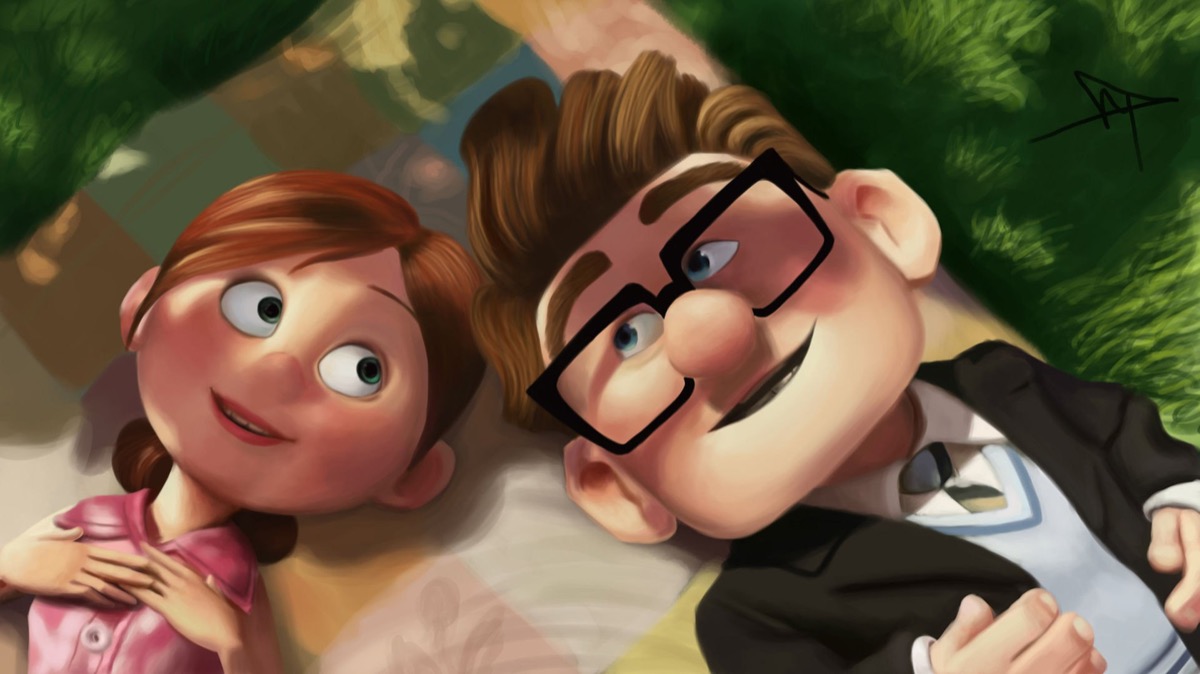
Against all odds, a children’s movie about searching for a goofy bird somehow managed to deliver more ugly-cry-inducing moments in its first ten minutes than most romantic tragedies do in their cinematic lifetimes. Pete Docter’s Up is a downright devastator, its beginning detailing the lifelong love story between Carl Fredricksen and his wife Ellie. From adolescence to old age, we see the ups and downs of their romance play out in an infamously crushing montage that ends with Ellie’s death. Unlike some of the unfortunates on this list, they at least got to spend their lives together, but the movie serves up a sobering reminder that at the end of every love story lies grief. And oh, how poor Carl grieved.
Marianne and Héloïse — Portrait of a Lady on Fire
(Pyramide Films)
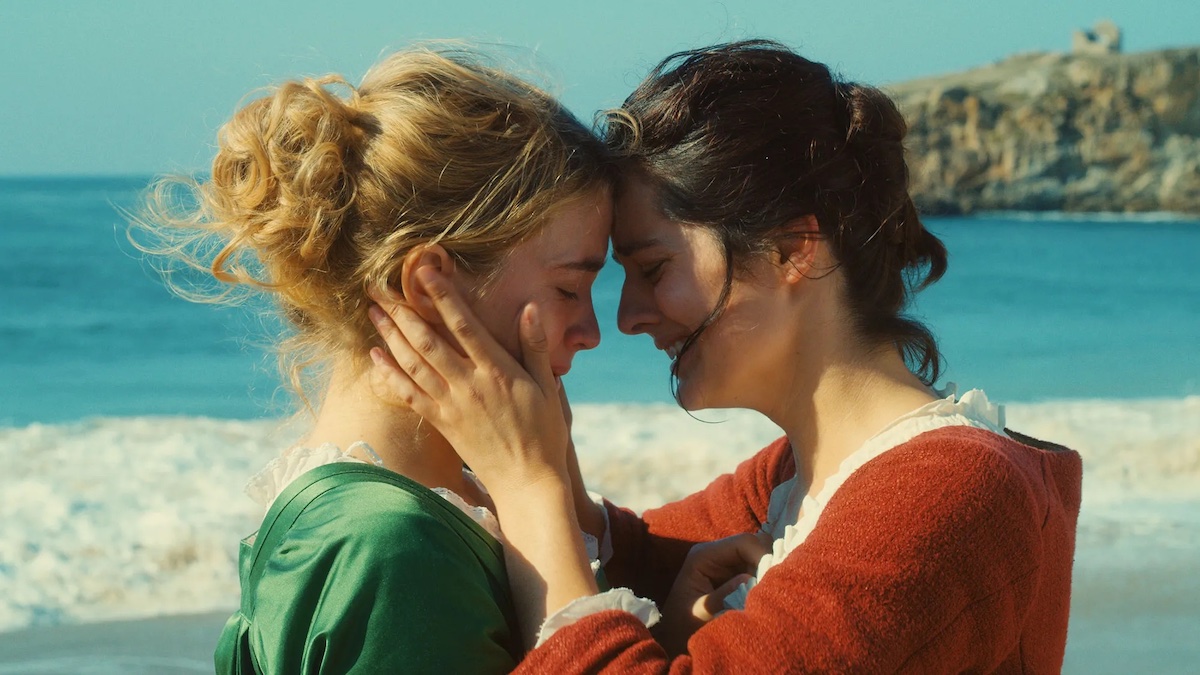
Like Jack Twist and Ennis Del Mar, Héloïse and Marianne shared a queer love doomed by the time period in which they lived. Set in coastal France in the late 18th century, Portrait of a Lady on Fire tracks an artist’s relationship with the woman she’s hired to paint. Much of the film involves these to star-crossed lovers staring at one another, blurring the line between observer and observed. When they finally cross the painter/subject barrier and become lovers, the result is incendiary. But like a gust of wind, or a sugar-crazed five-year-old celebrating his birthday, real-world responsibility comes along to painfully blow their candle out. At the end of the film, all that’s left to commemorate their once-in-a-lifetime love is the titular portrait, a tragically beautiful testament to romance lost.
Romeo and Juliet — Romeo + Juliet

Baz Luhrmann’s wacky reinterpretation of this classic bears mentioning because no tragic romance list would be complete without a nod to the star-crossed lovers who immortalized the trope. Romeo + Juliet is a strange, brilliant, vivid, hilarious, and heartbreaking film, just like the William Shakespeare play on which it’s based. This tale of woe between Juliet and her Romeo is synonymous with sadness, one of the greatest literary examples of doomed love ever conceived. Perhaps the most enduring aspect of this tragedy is the way that it so often repeats itself in both art and life. Young people have a way of falling in love with people who aren’t good for them, and the impossibility of that love only fuels the attraction. For poor R&J, the consequences of that love were the violent deaths of friends and family members, the grief of their parents, and ultimately the end of their brief, high-octane lives.
Takaki and Akari — 5 Centimeters Per Second
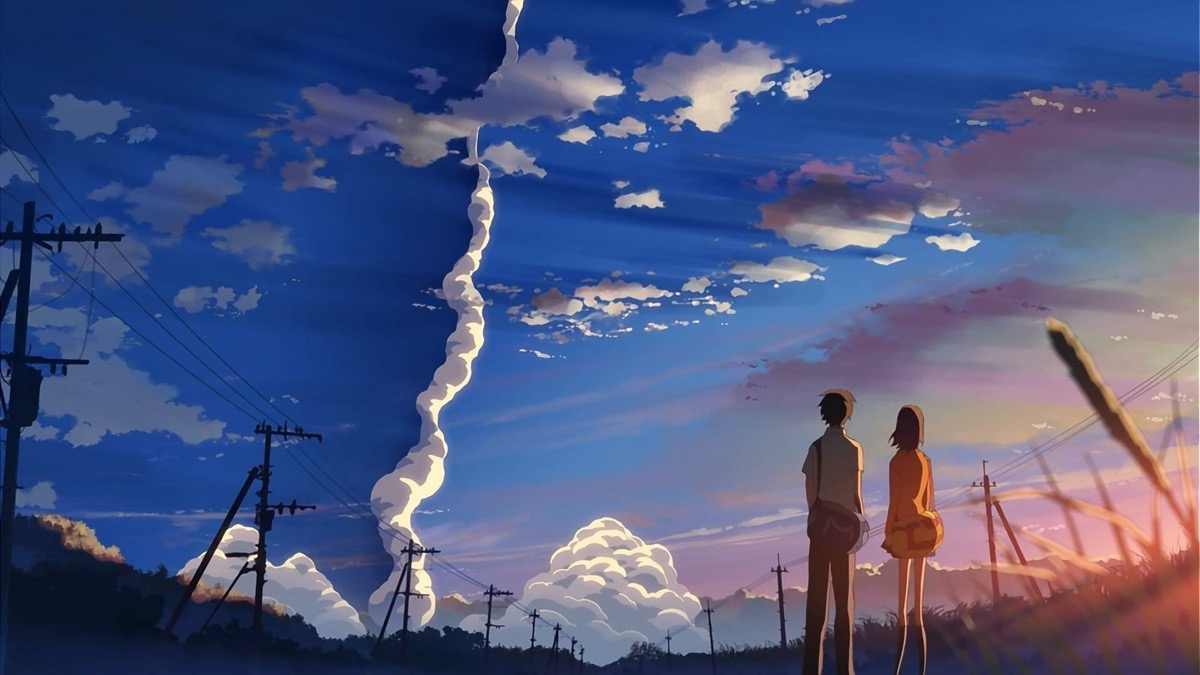
Takaki and Akari’s love story doesn’t explode spectacularly like a firework in the sky; it fizzles out before it can even get off the ground. Childhood sweethearts at the film’s beginning, the lovers of Makoto Shinkai’s 5 Centimeters Per Second find their love tested after Akari moves away because of her parents’ jobs. Their subsequent letters to one another bear all the weight of adolescent longing, but eventually, due to distance, time, and changing personalities, the letters slowly stop. Named after the speed at which cherry blossom petals fall, this film chronicles the slow death of an almost-relationship after years spent apart. The result will make you seriously hate Akari’s parents — the nerve of them to have adult responsibilities.
Dean and Cindy — Blue Valentine

It’s probably for the best that Blue Valentine‘s central couple broke up, but watching them while they get there is an exercise in cinematic masochism. Perhaps the hardest-to-watch entry on this list, Derek Cianfrance’s film chronicles the agonizing death of a once-beautiful love. Unlike many of the lovers on this list, Dean and Cindy aren’t undone by circumstances beyond their control, unless you count their own unresolved trauma and unmet needs. While the pair are mad for each other at first, their marriage slowly crumbles under the weight of half a decade’s worth of resentment. She wanted more; he’s happy with what he has. He can’t handle his emotions; she can’t express hers. It’s a brutal reminder that, in the words of Lana del Ray, “sometimes love is not enough when the road gets tough.” But in this case, it isn’t hard to see why.
Su and Chow — In the Mood for Love

In the Mood for Love‘s Su and Chow are the ultimate missed connection, two should-have-beens who became a never-quite-were. After finding out that their spouses are cheating on them with each other, these two neighbors are drawn together by the truth of an old adage: misery loves company. Despite the devastating circumstances in which they met, their comiseration soon blossoms into unspoken devotion, but tragically, their own ethics prevent them from getting together. They don’t want to repeat the mistake their spouses made, even it means never acting on the emotions that they both secretly feel for each other. It’s a once-in-a-lifetime love that never was, and will never be forgotten.
Tommy, Kathy and Ruth) — Never Let Me Go
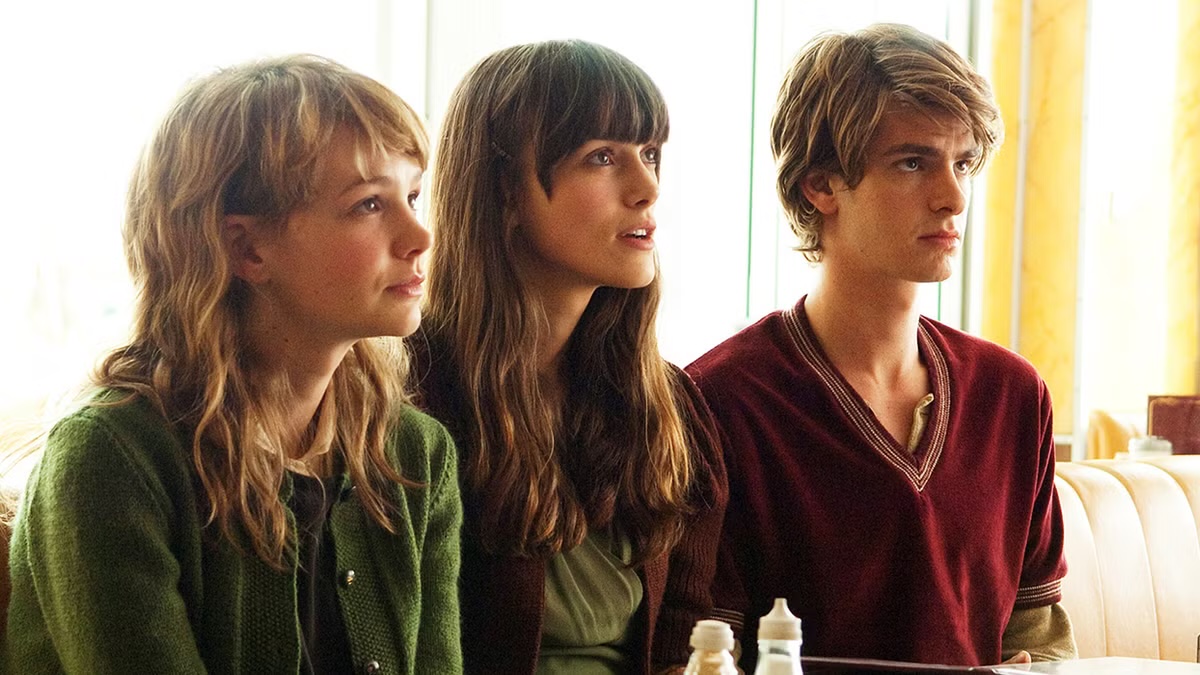
Featuring arguably the most tragic romance on this list, Mark Romanek’s Never Let Me Go is an adaptation of an equally devastating novel by Kazuo Ishiguro. It’s the story of three children raised in the idyllic Hailsham boarding school, where they were taught how to express themselves creatively. During that time, Kathy and Ruth both fell for their classmate Tommy, but he and Ruth ended up together. Tragically, they learn that their romance was doomed from the day they were created. Not born, created. This poor trio is revealed to be clones, raised to be organ donors for the rest of humanity. And while they desperately try to spend the rest of the film appealing to the powers that be to live in peace, they are all doomed to die on the operating table. The worst part? At one point, they thought escape was possible, but by film’s end they realize their hopes were always in vain.
(featured image: Focus Features)
Have a tip we should know? [email protected]
Follow The Mary Sue:
