


‘Won the lottery twice’: Oslo patient stuns scientists as HIV vanishes after brother’s stem cell miracle
An unreal breakthrough.
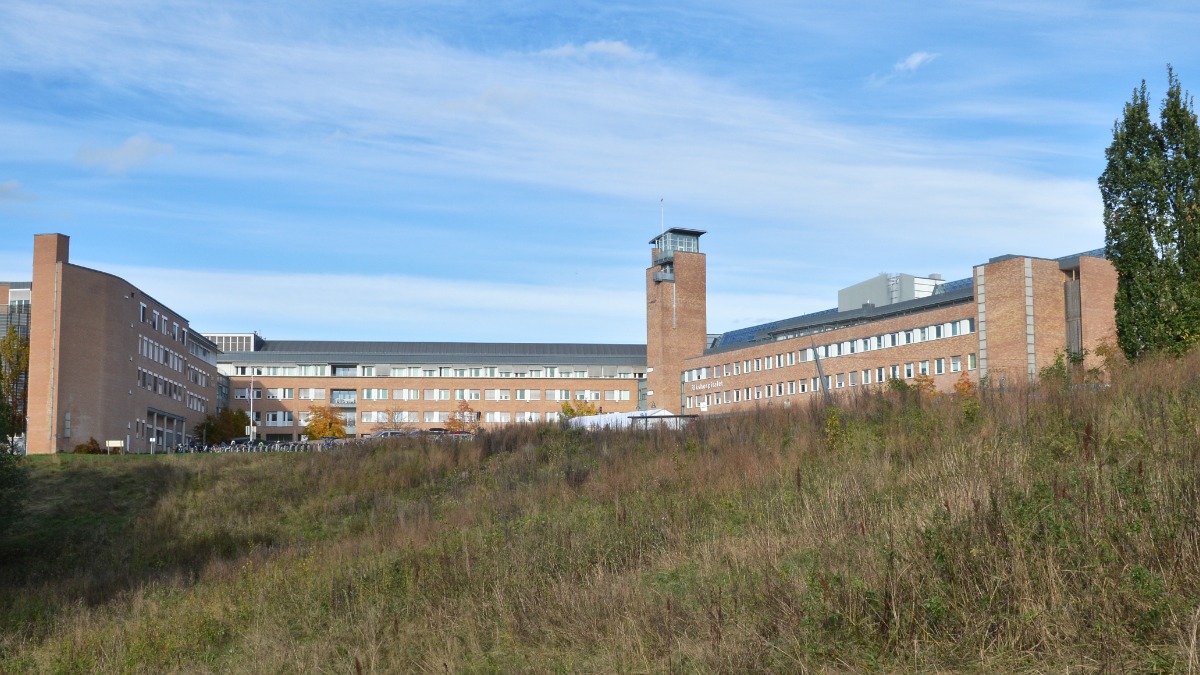
A Norwegian man just became the 10th person ever cured of HIV, and the story behind his recovery is nothing short of a medical miracle. After living with the virus for over a decade, he received a stem cell transplant from his brother to treat a rare blood cancer. What doctors didn’t expect was that the transplant would also wipe out his HIV — thanks to a genetic mutation in his brother’s cells that made them resistant to the virus.
According to the NY Post, the procedure took place at Oslo University Hospital, where researchers kept a close eye on the patient, now known in medical circles as the “Oslo patient.” Five years and countless tests later, the results are in. The man shows no signs of active HIV, making him the latest in a tiny group of people who’ve achieved long-term remission from the virus.
As of 2024, nearly 41 million people worldwide are living with HIV, according to the World Health Organization, so every breakthrough like this one is a big deal. The Oslo patient’s case was detailed in the journal Nature Microbiology. Marius Trøseid, one of the authors, said the patient “feels like he has won the lottery twice … He was cured of his bone marrow disease, which could be fatal, and he’s also now cured of HIV, most likely.”
This is an incredible outcome for a treatment that wasn’t even designed to target HIV
The drugs used to manage HIV today work by keeping the virus from replicating, but they don’t eliminate it. Stop the medication, and the virus usually comes roaring back. But in this case, the brother’s stem cells did something far more dramatic. They didn’t just resist HIV — they removed a key receptor in the patient’s white blood cells that the virus needed to infect the immune system. Without that receptor, HIV had nowhere to go.
The transplant itself was a gamble. Stem cell transplants are often called “risky reboots of the immune system” for a reason. They can lead to fatal infections, and up to 20% of patients who survive the procedure die within a year. The Oslo patient wasn’t immune to complications either. He developed graft-versus-host disease, a serious condition where the donated cells attack the recipient’s body. But in the end, the HIV-resistant stem cells won out.
Over time, his immune system’s T cells — usually hijacked by HIV — stopped acting like they were under attack. Two years after the transplant, he was able to stop taking his HIV medication entirely. Four years in, doctors found no traces of functional HIV DNA in his body. His most recent check-up, five years after the procedure, confirmed the same result.
However, doctors are cautious about calling this an outright cure
The process the Oslo patient went through is nearly impossible to replicate on a large scale. The risks are too high, and the logistics too complex. But that doesn’t mean the findings aren’t valuable. The researchers behind the study are hopeful that this case, along with others like it, will help guide future research into more accessible and replicable cure methods.
In their words, “This and other studies on HIV cure enhance our understanding of HIV pathology, molecular mechanisms and predictive biomarkers that may be of broader interest” beyond just transplant patients. So, where did this HIV-resistant mutation come from? According to Galv News, it turns out the CCR5 delta 32 mutation, which makes cells resistant to HIV, has been floating around in human genomes for thousands of years.
Up to 16% of people with European ancestry carry it, but its origins are a mystery. Researchers digging through the 1,000 Genomes Project – an international effort to catalog human genetic variation – found the mutation in 2,504 modern human genomes. They also traced it back to ancient DNA, pinpointing its emergence to a person who lived near the Black Sea sometime between 6,700 and 9,000 years ago. That’s when early farmers were migrating into Europe.
The mutation became much more common between 8,000 and 2,000 years ago, which suggests it gave people some kind of advantage back then – but it wasn’t HIV resistance. That virus didn’t jump from chimpanzees to humans until the early 20th century. So what was the benefit? Scientists aren’t entirely sure.
The research on HIV treatments is continuing and has a long way to go
One theory is that the mutation might have helped dampen the immune response just enough to protect the body without causing damage. An overactive immune system can be just as dangerous as an underactive one. CCR5, the protein affected by the mutation, helps immune cells respond to signals called chemokines, which coordinate the body’s defense against infections. It also plays a role in guiding immune cells to sites of inflammation.
As ancient humans transitioned from nomadic hunter-gatherer lifestyles to farming communities, the diseases they faced changed too. Living in close quarters and storing food would have exposed them to new pathogens. The CCR5 delta 32 mutation might have helped them survive.
What we do know is that it’s a lucky break for anyone exposed to HIV today. People with this mutation can’t be infected by the virus, which means they’re automatically protected from AIDS. The Oslo patient’s story is a reminder of how much we still have to learn about the human body and the viruses that plague it.
Have a tip we should know? [email protected]
Follow The Mary Sue:
