


Those random eye floaters that disappear in a blink could actually be a chilling sign that your retina is starting to pull away
Not just a minor annoyance.
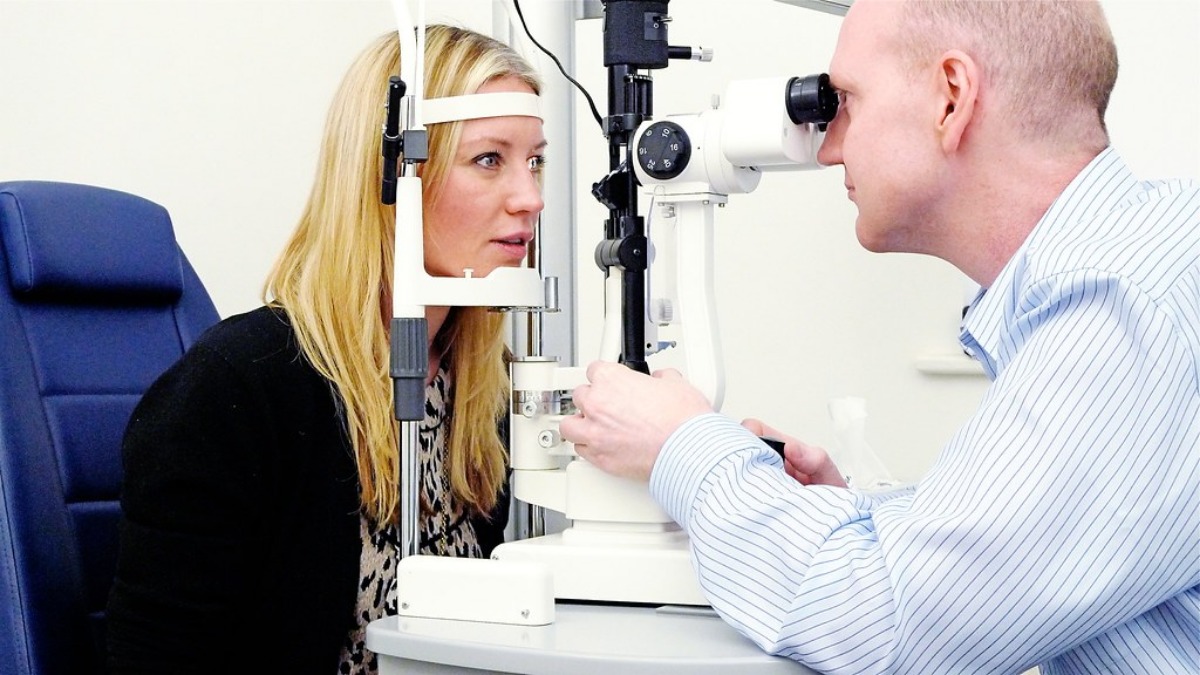
Researchers from Radboud University Medical Center in the Netherlands have issued a new warning about those seemingly harmless eye floaters, suggesting they could actually be a chilling sign that your retina is beginning to pull away. This new study highlights a potential long-term health effect of floaters, which many of us have always perceived as nothing more than minor irritants.
You have probably experienced these little smudge-like shapes or squiggly lines appearing in your vision. According to LADBible, they often pop up while you are just going about your day, only to disappear into the abyss after a few blinks. For years, these floaters were largely considered harmless, especially since they are often consistent with age and nearsightedness, and our brains usually learn to ignore them over time.
However, the new research, published in the Annals of Family Medicine in March 2026, says we should pay closer attention. While most floaters really are nothing to worry about, their sudden occurrence could signal something far more serious: retinal detachment.
Floaters can present as one symptom of retinal detachment
This condition happens when the light-sensitive retina pulls away from the back of your eye. It is a serious issue that, if not treated immediately with surgery or laser treatment, can lead to permanent vision loss. Other signs of retinal detachment can include flashes of light, dark shadows, or even what looks like a curtain moving across your vision.
The study analyzed nine years of electronic health records from seven family medicine practices, covering approximately 42,000 patients. From this massive dataset, researchers focused on 1,181 visits involving 1,089 patients aged 18 and older who reported new floaters, flashes of light, or both.
The patient group was quite diverse, with 61% being women and 57% falling between the ages of 50 and 70. This age range is particularly relevant because it is when the vitreous, the gel-like substance behind the lens and in front of the retina, naturally shrinks and can pull away from the retina, causing floaters or even tears.
The researchers grouped patients into three categories: those experiencing only floaters, those with only flashes of light, and those with both symptoms simultaneously. Out of the 1,181 visits, 77 patients were diagnosed with a retinal detachment or retinal tear. The findings showed that 4.7% of participants who only had flashes of light experienced a retinal detachment or tear. For those who reported only floaters, this number climbed to 6.1%.
The highest rate, 8.4%, was found in patients who experienced both floaters and flashes together. This means that if you are seeing both symptoms, you are actually 56% more likely to have a retinal detachment or tear compared to someone who only sees flashes of light. The study also found that patients with multiple floaters had a 19.8% chance of retinal detachment, which jumped to 29.4% when both floaters and flashes were present.
It is important to remember that most floater episodes are still not a medical emergency, and the study authors highlighted this too. The most common finding was indeed floaters themselves, accounting for 36.7% of all visits. Another 32.3% of visits were linked to harmless, age-related posterior vitreous detachment (PVD), which is when the gel in your eyes naturally changes. This is caused by collagen fibers clumping together in the eye’s vitreous.
However, recognizing the signs of retinal detachment is crucial. Health experts advise that retinal detachment is typically diagnosed through dilated eye exams performed by an ophthalmologist or optometrist. When caught early, it can often be treated quickly with surgery within 24 to 48 hours, helping to preserve your vision.
Have a tip we should know? [email protected]
Follow The Mary Sue:
