


29-year-old man shared a photo of his trip to Rottnest Island, then investigators tracked him down for what he allegedly did to a quokka
‘Any attempt to put quokkas at risk or harm them should be met with consequences.’
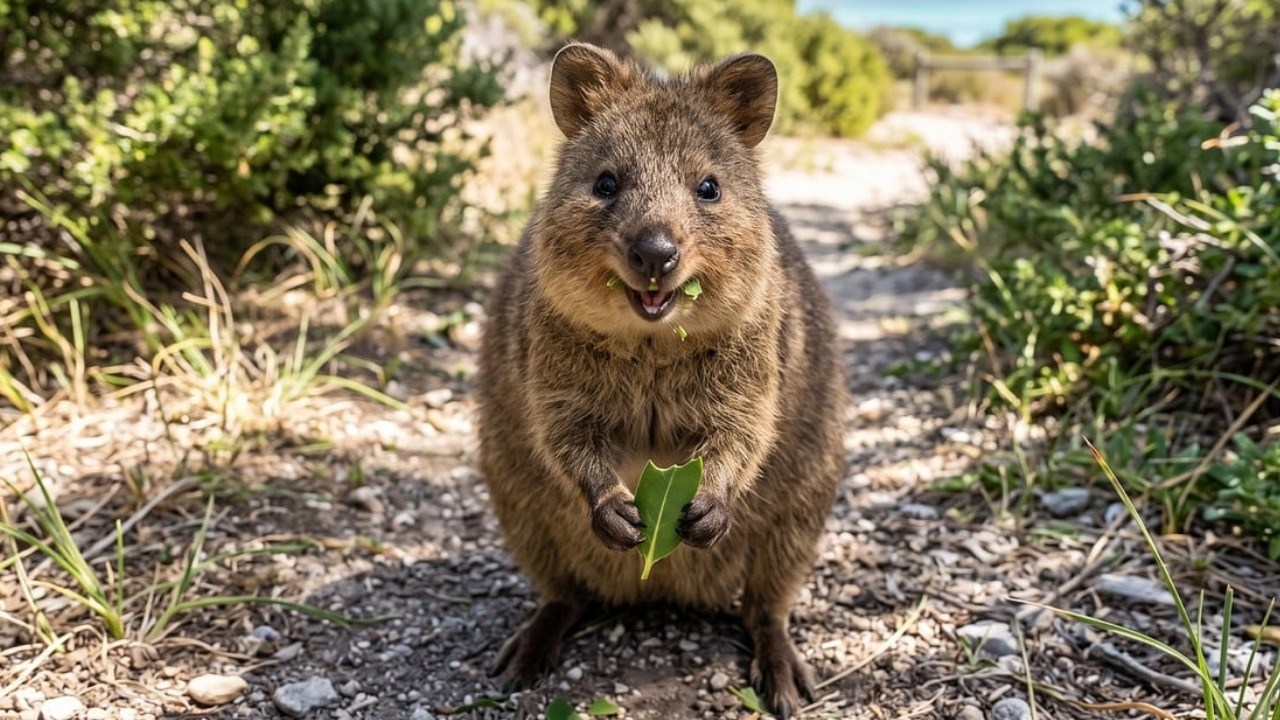
Police in Western Australia fined a man $200 after a photo showed an e-cigarette pressed to the face of a quokka on Rottnest Island, just offshore from Perth. According to 7News, investigators traced the image, which spread on social media, back to the man. Dexerto converts the fine to about US$130.
Police state the photo was “alleged to have been taken on Rottnest Island.” They add that “Investigators tracked the image to a 29-year-old man, who was subsequently issued with a Rottnest Island Authority Infringement by police.” Whether the animal breathed in any vapor or simply bit down on the device remains unclear.
Premier Roger Cook called the image “disgusting.” He added, “Our quokkas are international drawcards for Western Australia and Rottnest Island because of their warm, welcoming nature.” He also stated, “Any attempt to put quokkas at risk or harm them should be met with consequences.”
Touching quokkas is illegal
Quokkas are a native species, and feeding or touching them is against the law. People who interfere with the animals face an immediate $200 fine and removal from the island. A prosecution under the state’s biodiversity conservation law can bring penalties reaching $10,000.
Quokkas are a tourist draw, and Roger Federer and Chris Hemsworth are among the stars who have taken a quokka selfie on the island. The vape photo came months after a court case involving two teens and a black swan that was reportedly made to breathe in vape smoke, then left in bushland.
Wildlife and vapes have crossed paths before, including squirrels discovering vapes in city parks. Animals can go viral online, as with the macaque Punch and his stuffed orangutan. Rottnest Island Authority states, “For their safety and yours, don’t touch any of the animals on the island.” The page says contact can make animals sick or spread disease, and mothers may abandon their young after picking up an unfamiliar scent.
On feeding, the page states, “Feeding wildlife can cause illness and lead to aggressive behaviour.” It says animals should “forage for their own food and water,” and that putting rubbish and food scraps in the bin keeps “the wildlife safe.” Its quokka guide says to “never touch or feed a quokka and move back if they venture within two metres of you.” It states, “it’s best to wait nearby and let them come to you.”
The island’s wildlife page says it is a Class A Reserve, “meaning that all the plants and animals are protected.” It adds that quokkas are common in the settlement area, but “to truly experience them in their natural habitat, take a trip to the wider reserve.”
The protection page also lists a separate penalty for animal cruelty, which “may result in fines up to $300,000 and 5 years imprisonment.”
Have a tip we should know? [email protected]
Follow The Mary Sue:
