


10 Queer Cult Classics that Deserve More Recognition

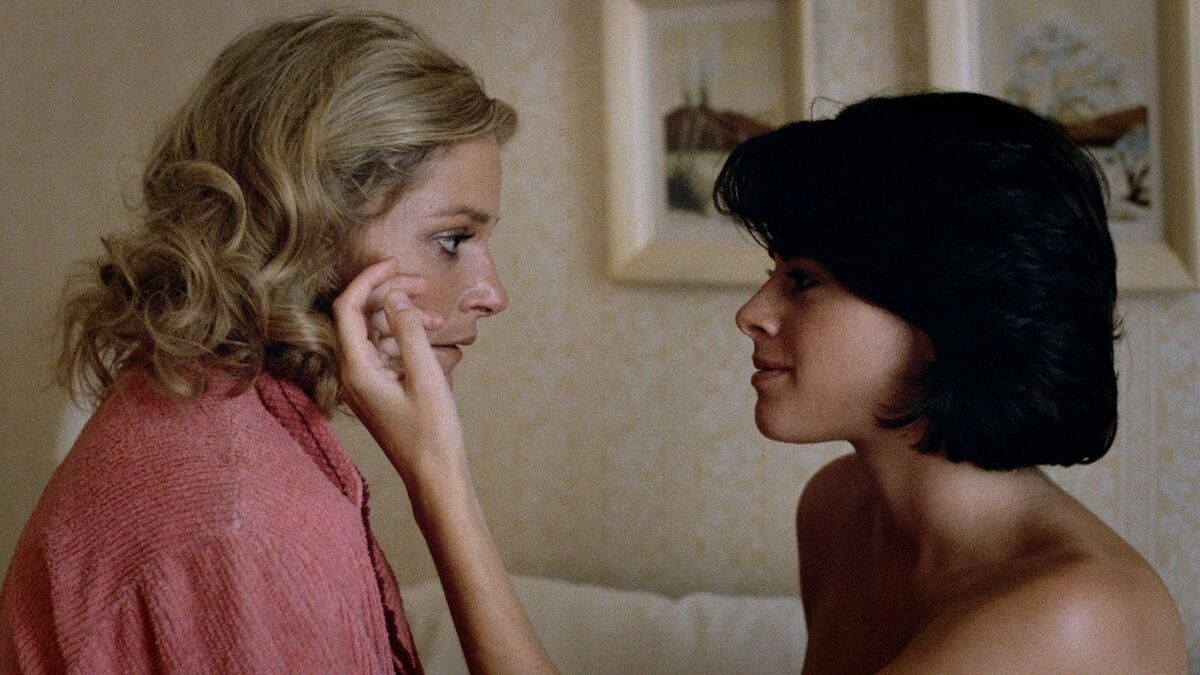
Brokeback Mountain. Portrait of a Lady on Fire. Moonlight. What do all of these masterpieces of queer cinema have in common? None of them are on this list. This list is reserved only for the unsung heroes of gay cinema, movies that have flown under the gaydar, I mean, radar, of audiences and critics alike. Roadtraveling drag dramadies, genderqueer sci-fi romps, hedonistic romances with throuple dynamics, each of these movies is a queer gems left unmined by mainstream culture, but oh how they shine still. These are 10 queer cult classics that deserve more recognition.
Pink Flamingos
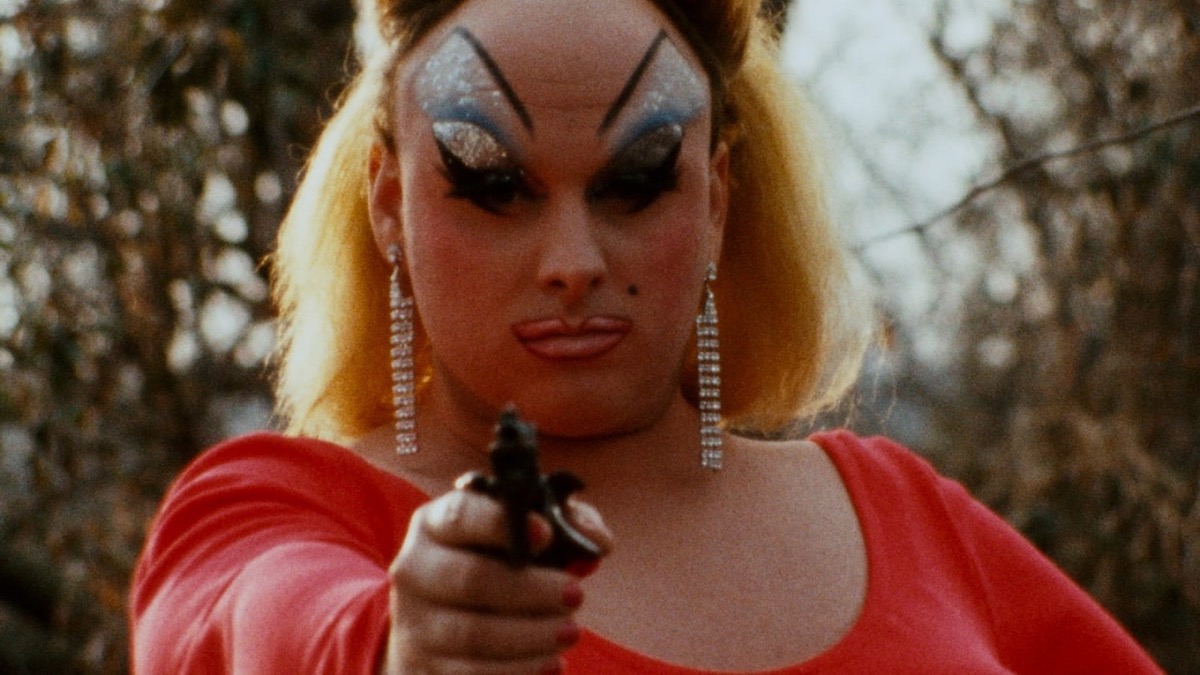
While Baltimore-based director John Waters made movie history with Hairspray, his lesser-known titles are some of the most hilarious, transgressive, and surprisingly heartfelt in cinema. Pink Flamingos stars Waters’ genderqueer muse Divine as a criminal mastermind hiding under the pseudonym “Babs Johnson,” dubbed by a tabloid newspaper as “the filthiest person alive.” Jealous of her success, Divine’s criminal rivals Connie and Raymond Marble attempt to steal the title from her by committing acts of moral depravity — and so begins a competition for who can be the absolute worst person in Maryland. And honestly, the world. This pitch black comedy features all sorts of hilarious horrors, including cannibalism, tar and featherings, and boxes of human feces sent through the mail. A brilliantly vile movie, Pink Flamingos is a horror camp crime caper of monstrous porportions, just don’t watch it on a full stomach.
But I’m a Cheerleader
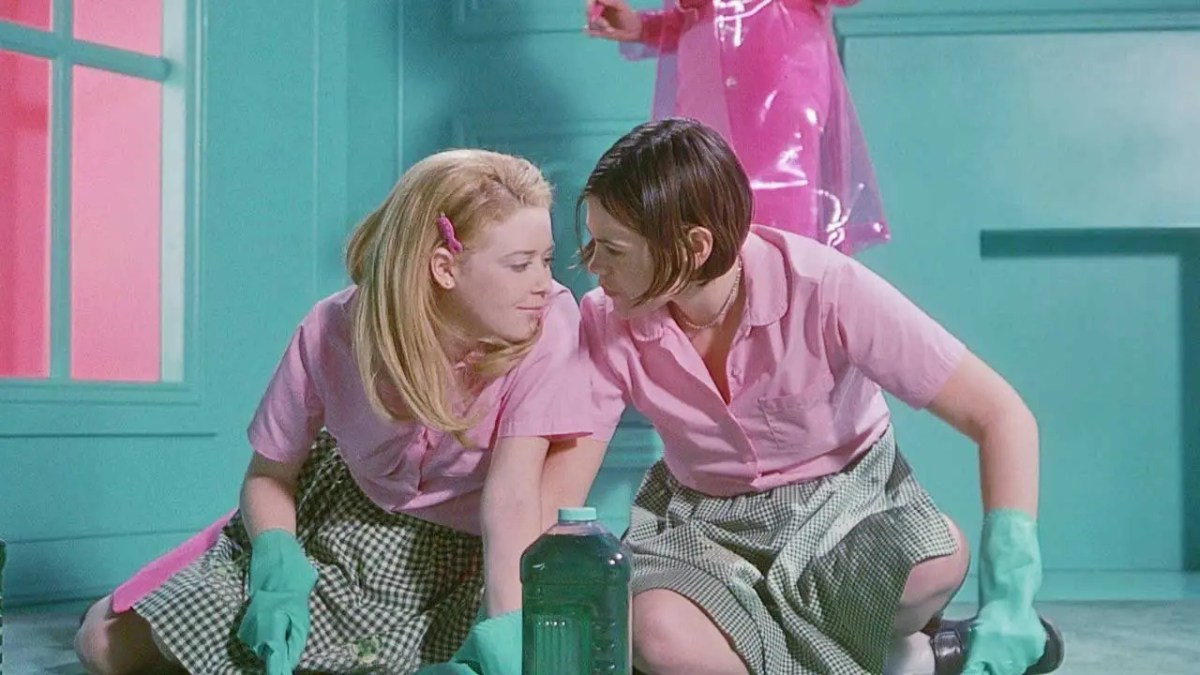
Jamie Babbit’s But I’m a Cheerleader is a sapphic classic that somehow manages to find the comedy in conversion therapy. It’s the story of Megan Bloomfield, a high school cheerleader sent away to a conversion therapy sleepaway camp by her parents due to her suspiciously gay obsession with Melissa Etheridge. Ironically, it’s at True Directions camp that she meets the love of her young life, a semi-out college girl named Graham. Rather than focusing on the horror of conversion therapy, the film highlights its total absurdity, finding the humor in a practice that so poorly understands human attraction and psychology. The film treats queerness as a natural inevitability, a pull that not even the self-identified “straight” counselors at the camp can suppress within themselves. No one can deny their queerness, just like no one can deny Melissa Etheridge wrote some serious bangers in her day, But I’m a Cheerleader celebrates both of these facts.
Desert Hearts
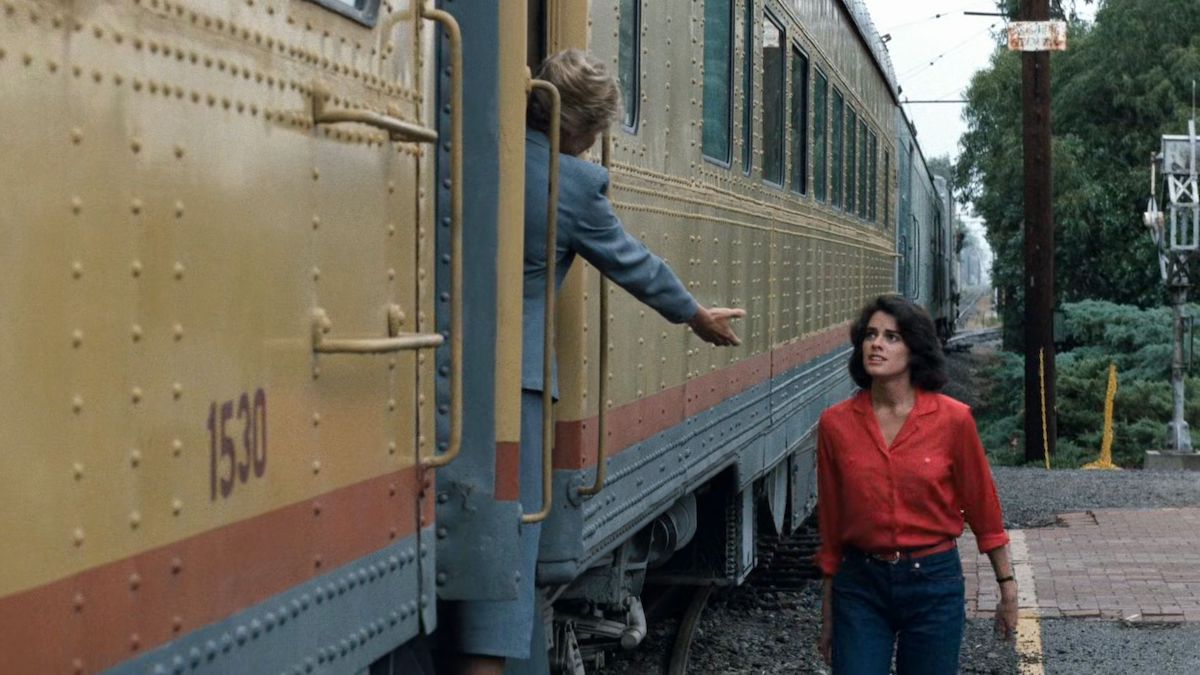
An adaptation of lesbian required reading Desert of the Heart by Jane Rule, Desert Hearts is the tale of a middle-aged soon-to-be divorcee named Vivian who travels to Nevada to finalize her split from her husband. While she’s in the Silver State, she meets a young and free-spirited sculptor named Cay. Vivian, who previously lived life as spontaneously as a store-bought potato, uncovers a wanderlustful wildness in her that only a once-in-a-lifetime romance can bring out. Like how the desert itself needs more recognition as nature’s most romantic biome, Desert Hearts deserves all the critical acclaim of mainstream romance movies. Hot as a Reno sidewalk, this steamy romantic drama is a must-see for anyone looking for a film about the healing power of slow burn sapphic love.
The Adventures of Priscilla, Queen of the Desert

Ever wanted to see Elrond from The Lord of the Rings in drag? Stephan Elliott’s The Adventures of Priscilla, Queen of the Desert is the solution to your oddly specific desire. A film as gloriously extra as its extra-long title, it’s the story of a trio of drag performers who are hired to perform at a hotel in the heart of Australia. How will these Sydney-based heroines make it across the Simpson Desert? By chartering a bus they’ve dubbed “Priscilla” and roadtripping in style. This queer acid-trip of a film features hallucinatory drag performances in the middle of sun-baked rocks and rolling dunes, chronicling the trio’s struggle to survive both nature and humankind. While the desert and its closed-minded small-town inhabitants are cruel to Priscilla’s drivers, the trio perseveres all the same. Hilarious, hair-raising, and surprisingly heartfelt, this movie is about the sort of road trip that turns friends into found family.
To Wong Foo, Thanks for Everything! Julie Newman
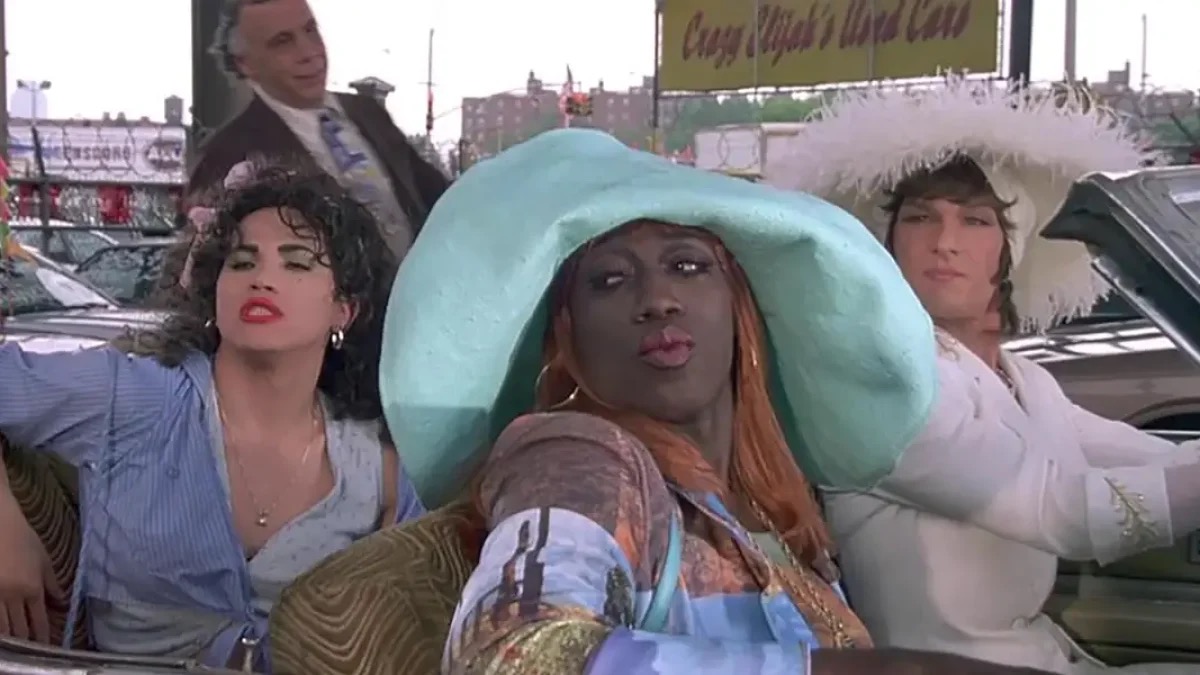
Another long-titled and gloriously gay road movie like Priscilla, To Wong Foo, Thanks for Everything! Julie Newman is the story of a drag performer trio whose car breaks down in middle America on the way to a gig. While the small-towners are suspicious at first, they end up taking a shine to the queer East Coasters. Wesley Snipes, Patrick Swayze, and John Leguizamo give career-best performances as the film’s three leads, with Snipes in particular standing out for his almost unrecognizable transformation into drag queen Noxeema Jackson. Does the film have a somewhat dated stance on trans people? Yes. Would it have been better if John Leguizamo’s character had been played by an actual trans woman? Yes. Is it still a staggeringly progressive and sympathetic portrayal of transfeminity in an era where trans identities were derided and mocked? Also yes. Thanks for everything, To Wong Foo, you’re one of the best queer cult classics around.
Mommie Dearest
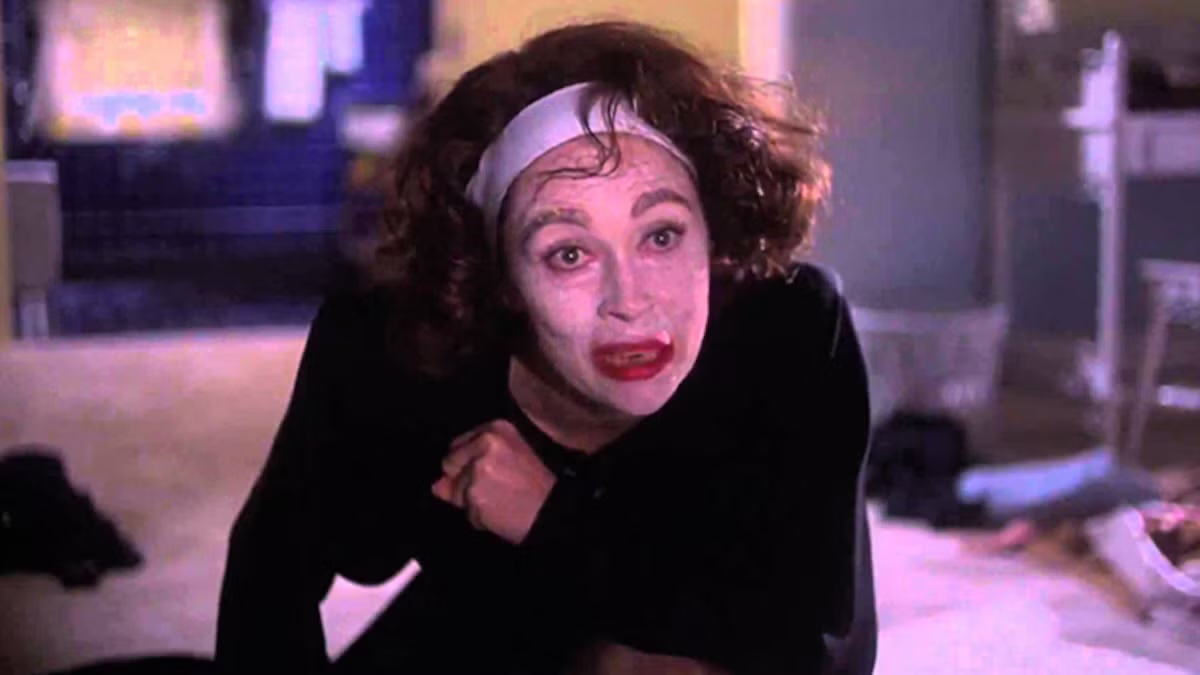
Frank Perry’s Mommie Dearest is to queer people what The Room is for the straight mainstream, a masterclass in “so bad it’s good” moviemaking. A melodrama about the life of gay icon Joan Crawford and her alleged abuse of her adopted daughter Christina, the film’s serious subject matter is woefully undercut by the high-octane overacting of Faye Dunaway. Dunaway’s Crawford is the definition of high camp, an unhinged portrait of one cinema’s most celebrated queer icons. The deranged glamour, the cutting one-liners, the unintentionally hilarious “no! wire! hangers!” scenes of high drama, this film is by no means good, but, in line with its Oscar-bait ambitions, it still somehow manages to be great.
My Own Private Idaho

Gus Van Sant’s My Own Private Idaho is one of the late, great River Phoenix’s last roles, where the young actor plays a queer sex worker with a case of narcolepsy. Tired of selling his body to rich people in the Pacific Northwest, the street hustler Mike decides to go on a cross-country odyssey to find his long-lost mother. He’s accompanied by Scott, the privileged son of a politician, who is played by Keeanu Reeves in a career-best role. The film is an anti-romance, a tragic portrayal of a young man who was dealt a brutal hand by fate. With some of the most beautiful cinematography in film history, My Own Private Idaho paints a gorgeous portrait of a doomed protagonist. While it’s not a feel-good film, it’s as good as a film has ever looked.
Liquid Sky
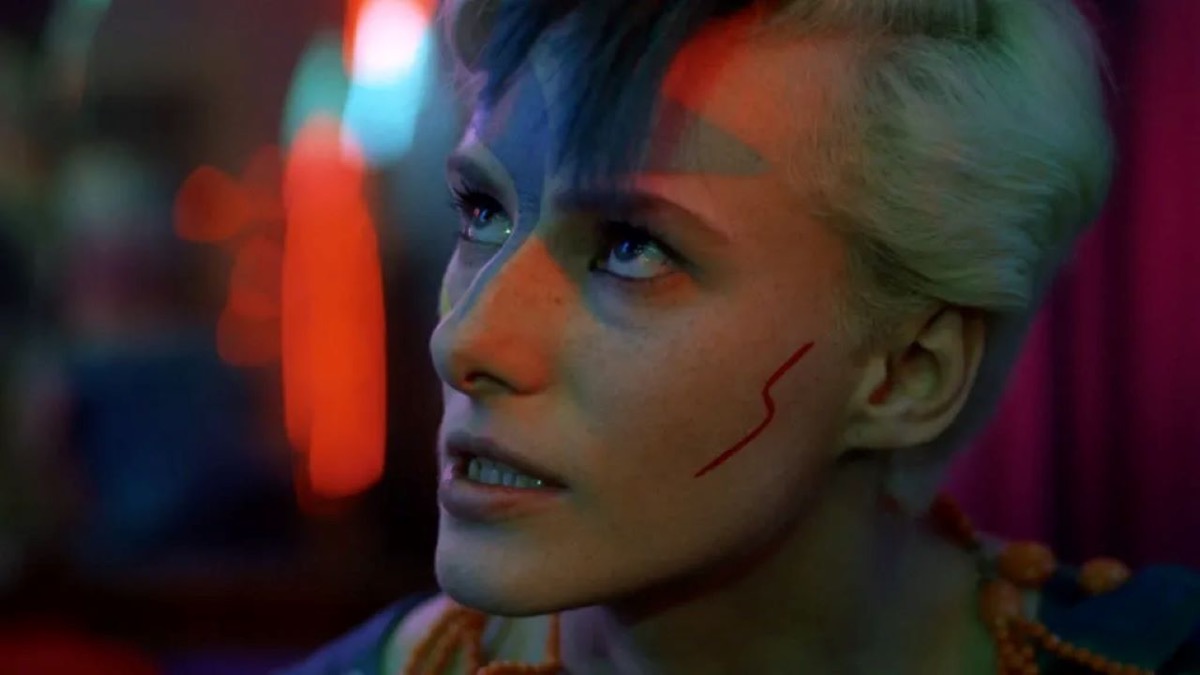
Slava Tsukerman’s gay sci-fi opus Liquid Sky feels like Ziggy Stardust David Bowie dropped into the mid-1980s. It’s the story of a genderqueer club-goer named Margaret who, after contact with a flying saucer that lands on her rooftop, discovers that she has the power to kill anyone she has sex with. She uses this ability to seduce and destroy the people who have wronged her, and that list is long. The film unfolds like a neon-soaked episode of Black Mirror, a morally ambiguous dive into sex, drugs, and club music. Ever wonder where electroclash artists got the inspiration for queer-coded neon face paint? Look no further than Liquid Sky.
Sunday Bloody Sunday
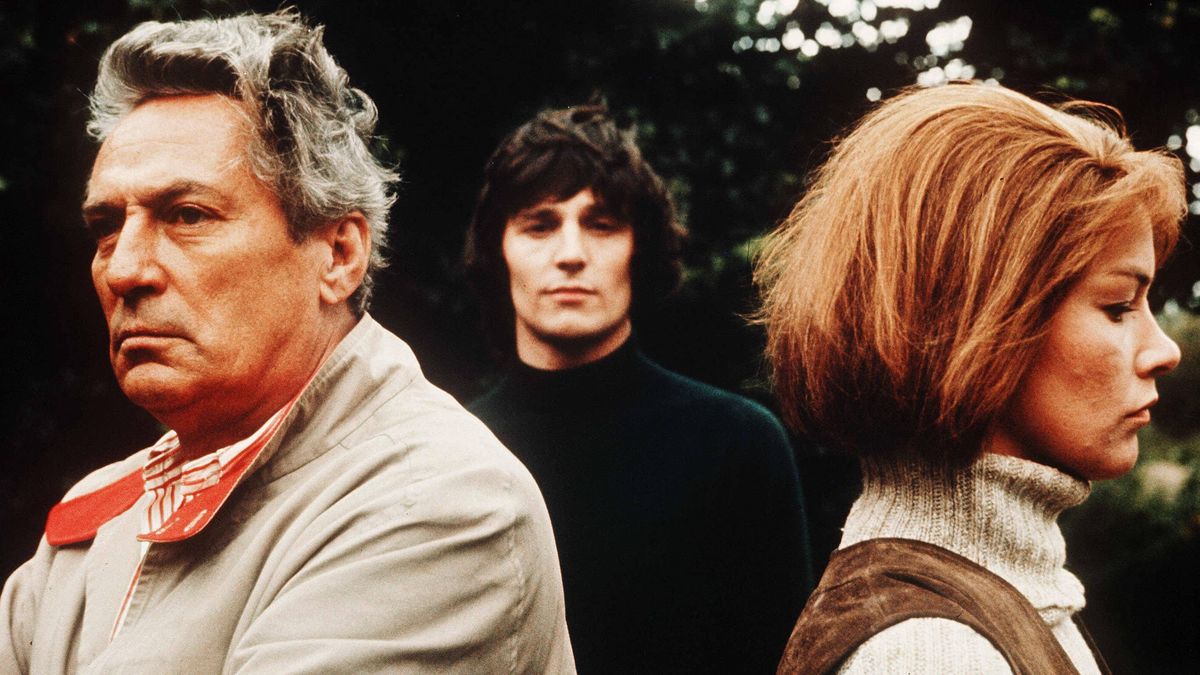
John Schlesinger’s Sunday Bloody Sunday features one of the greatest bisexual love triangles in cinema history, giving the central trio in Challengers a run for its money. It’s the story of Bob Elkin, a twentysomething sculptor in dual relationships with Daniel and Alex, a doctor and divorcee. Released in 1971, this film was one of the first to tackle bisexual relationships with sensitivity and nuance, presenting “unorthodox” relationships to mainstream audiences in a non-judgmental way. It’s a tender romance between a trio, and while it failed to make big box office numbers, it was nominated in four categories at the 44th Academy Awards. Bisexual excellence, all around.
Born in Flames
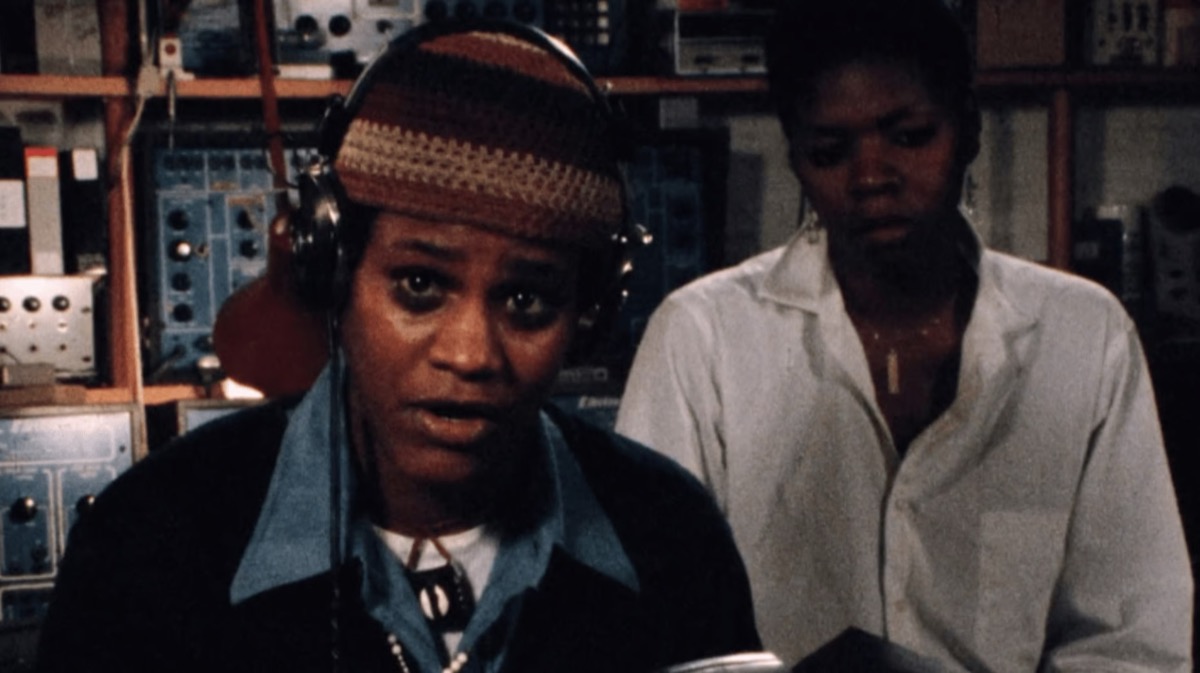
Directed and co-written by radical intersectional feminist Lizzie Borden, Born in Flames is a dystopian docudrama about a near-future world changed by a so-called socialist revolution. While the revolution was supposed to change society for the better, women, people of color, and queer people still find themselves marginalized, and turn to pirate radio to address social issues. A groundbreakingly progressive film, Born in Flames is a cinematic takedown of neoliberalism, the story of a group of women who continue to fight for their political rights in a society that claims its problems are solved. It’s a glimpse into another timeline, a universe where queer femme punks transform radio into a tool of DIY revolution. It’s impossible to discuss queer history without acknowledging the political activism queer people had to take part in to win rights and recognition from society. According to the revolutionaries at the heart of Born in Flames, the fight is far from over. The battle for queer liberation has only just begun.
(featured image The Samuel Goldwyn Company)
Have a tip we should know? [email protected]
Follow The Mary Sue:
