


10 Old Hollywood Stars Who Became Queer Icons
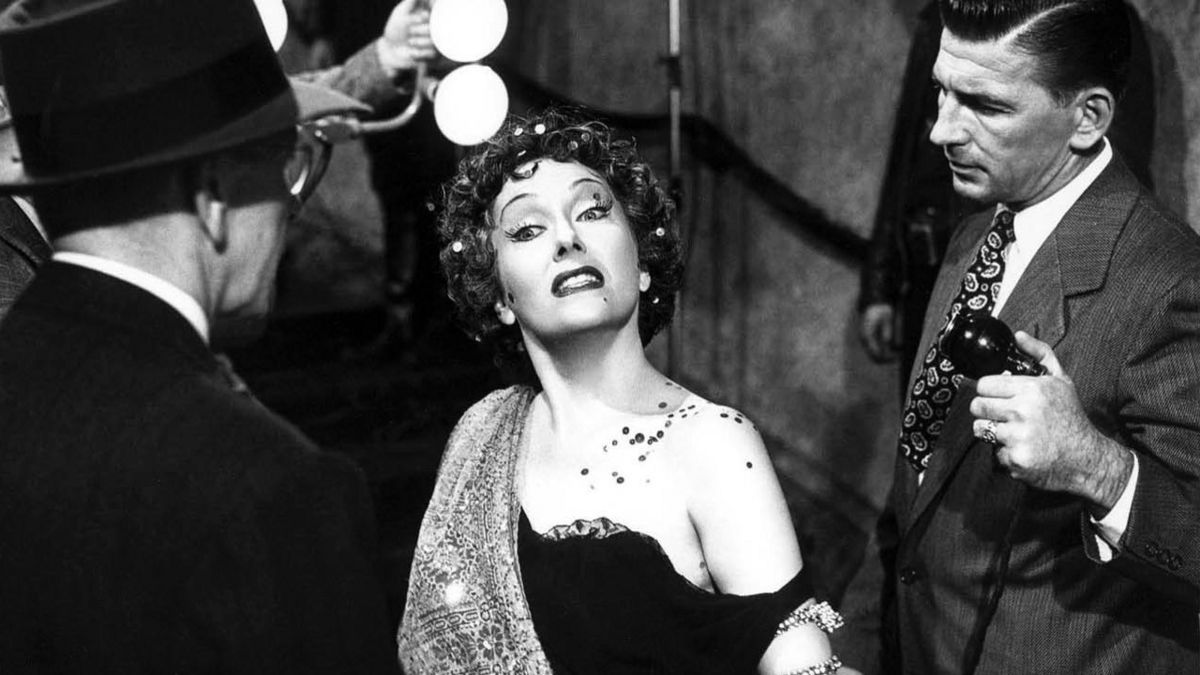
Stunning, glamorous, campy as hell — is this smattering of adjectives describing a drag show or an Old Hollywood movie? The answer is “yes” to both. Queer culture and film culture are joined at the hip, taking mutual inspiration from one another in a centuries-long testament to art and its tendency to imitate life. Beautiful films are often built around a beautiful face, and some of these gorgeous stars were elevated to full-blown icons after a hindsight look at their staggering impact on pop culture. These are 10 Old Hollywood stars who became queer icons, and queer culture has become all the more elevated by them.
Judy Garland
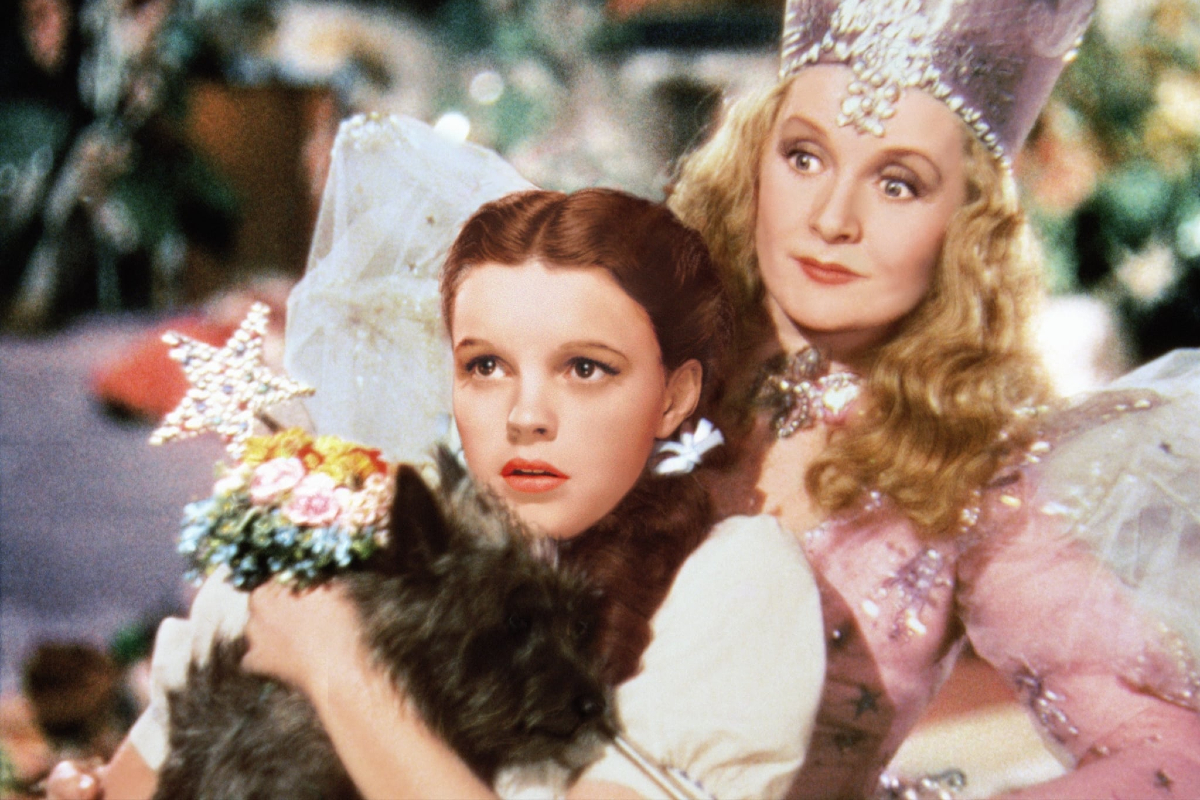
When tolerance for queer people had reached a cultural nadir in the mid-20th century, queer people used the term “friend of Dorothy” as a code phrase to secretly ask each other about their sexual orientation. Nightlife and cruising culture wouldn’t be the same without the monumental impact of The Wizard of Oz and its star Judy Garland, whose portrayal of a little Kansas girl swept away into a fabulous world of magic and color resonated with queer people en masse. Ever since Garland clicked her ruby slippers together, her status as an icon was cemented. And while the Cowardly Lion, Glinda, and the Wicked Witch of the West all left a queer-coded legacy, none of them made quite as significant a splash in gay culture. If queer culture were a little Great Depression farmhouse, Garland hit it like a cinematic tornado. And if that wasn’t enough, Garland also gave birth to a contemporary queer legend: the one and only Liza Minnelli.
Joan Crawford
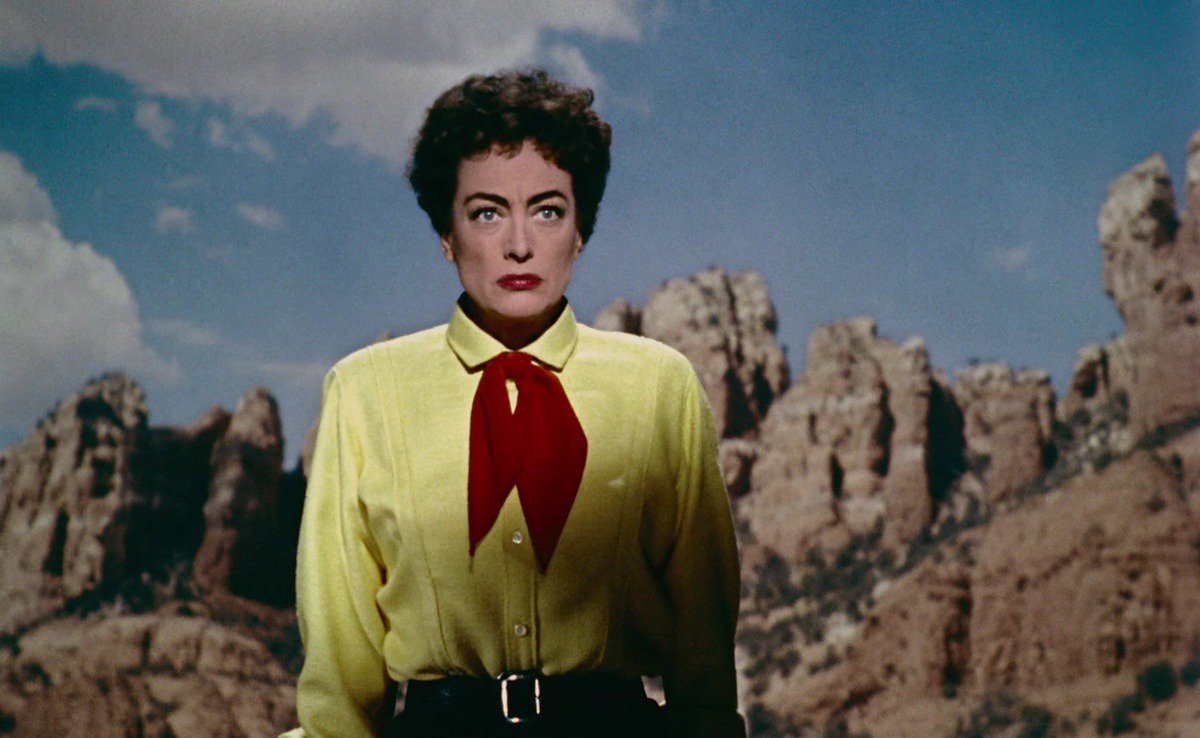
Joan Crawford is synonymous with camp; her high-drama performances inspiring numerous queer accolades. While her late-career films like Mommie Dearest hit queer culture like a truck, she was a trailblazer ever since she first stepped in front of the camera. A rare portrait of a genderqueer character, her performance as Vienna in the indie Western film Johnny Guitar made mile-high cultural waves. Here was a woman who was unafraid to go against gender norms by wearing pants and firing a gun from the hip, a glorious display of defiance. As the years went on, Crawford’s legacy only grew, and she was finally canonized as an icon after Mommie Dearest was released a few years after her death. She’d been one for decades already, but it took time for pop culture to finally notice. Once it did, her talent and glamour ensured no one could look away.
Rock Hudson
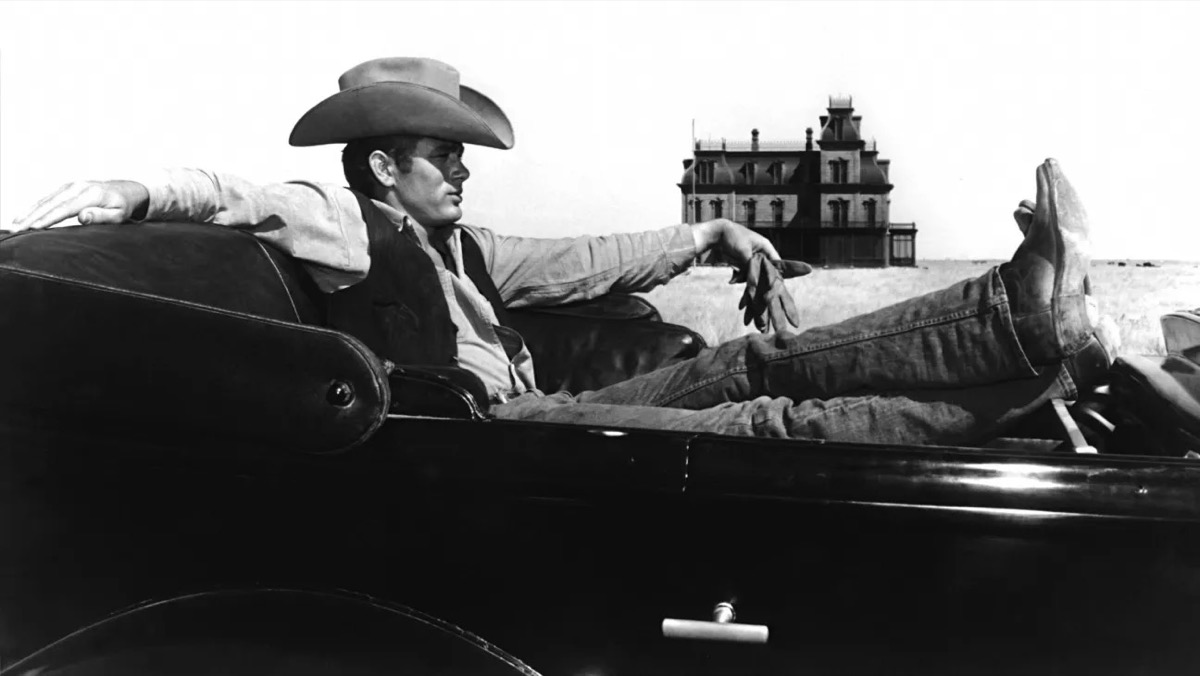
With an angel’s face and a devil’s charisma, Rock Hudson was destined to become an icon of American cinema. While he had a reputation as a leading man before his breakthrough, he was finally rocketed to stardom with the release of Magnificent Obsession, playing an out-of-control playboy whose wild life is dramatically changed after the accidental death of a friend. This dramatic role led him to appear in other melodramas like All That Heaven Allows, which only added more fuel to the forest fire of his glowing cinematic reputation. Though his performance in the western film Giant finally elevated him to icon status, he didn’t truly become one for queer people until a few years before his death. An intensely private man, Hudson kept his sexuality a secret, but this changed when he publicly revealed his AIDS diagnosis in 1984 — becoming one of the first celebrities to do so.
Gloria Swanson
“Mr. DeMille, I’m ready for my close-up!” — never has there been a line of dialogue so dripping with Old Hollywood drama. Gloria Swanson’s portrayal of the fading silent star Norma Desmond elevated her to icon status in the eyes of queer and straight people alike. Her performance in the role is the literal definition of the word camp — messy, passionate, glamorous, and just the right amount of grotesque. While she was known throughout the industry ever since the era of silent film, Swanson — unlike poor Norma Desmond and numerous real-life stars — was an actress of such talent that she successfully made the transition to talkies. Gorgeous, dangerous, and absolutely divine, Swanson is the stuff that queer legends are made of.
James Dean
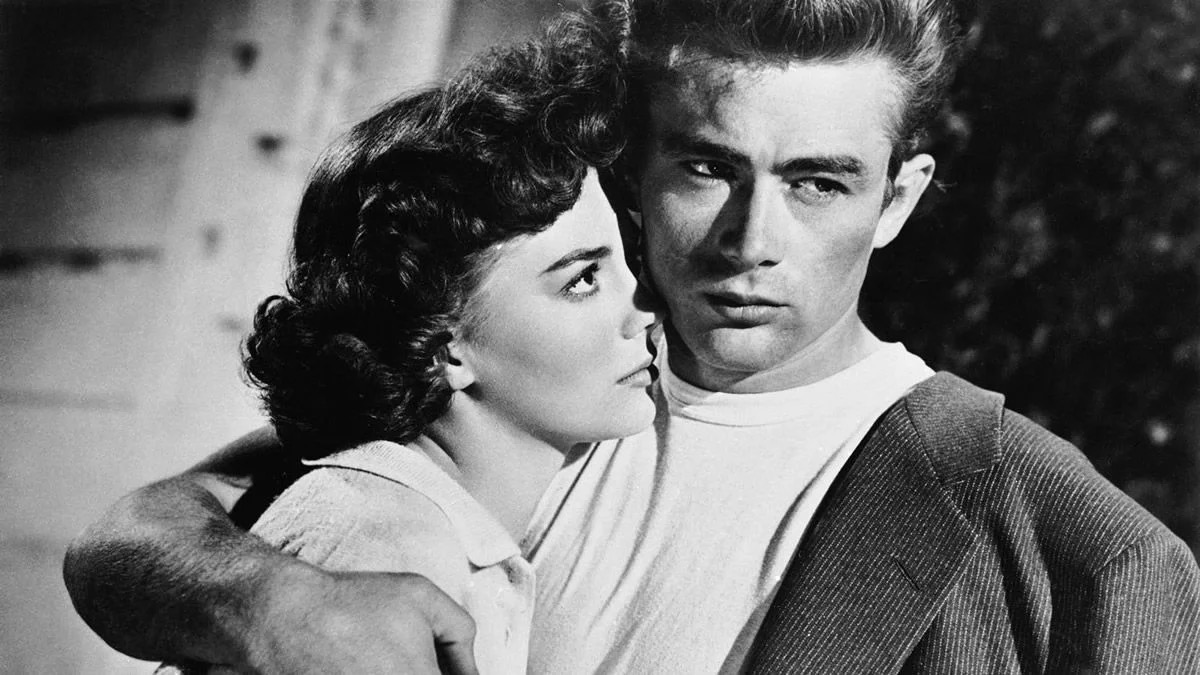
With smouldering eyes and a feline swagger, James Dean made more of an impact in a few short years than many of his contemporaries in their entire careers. Famous for his high-octane performances of angry young men, Dean became a symbol of youth in revolt. In classic art imitates life fashion, he died as dramatically as his characters lived — in a high-speed car crash at the young age of 24. A cultural touchstone for outcasts everywhere, his film Rebel Without a Cause solidified his legacy as an icon of Hollywood cinema. Many queer people felt a kinship with Dean’s character Jim Stark, whose struggle to fit in served as a parallel for queer acceptance (and lack thereof) in society.
Marlene Dietrich
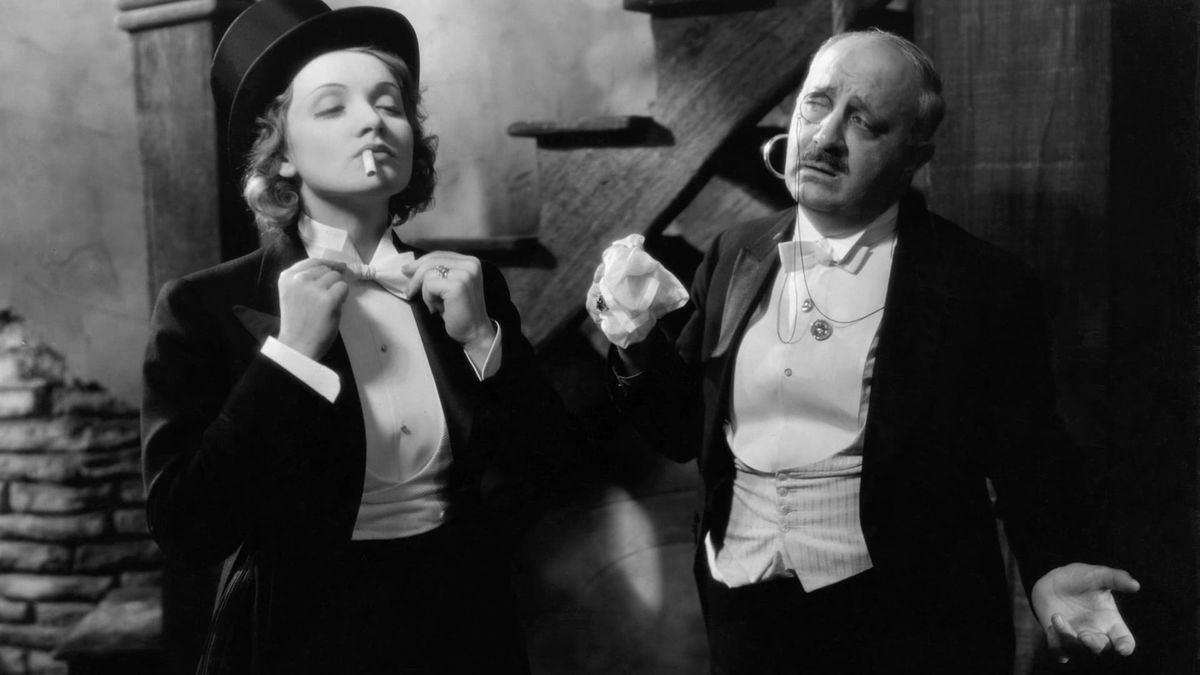
One glimpse at Marlene Dietrich in a tophat and tails tells the viewer everything they need to know about her genderqueer legacy. A performer who pushed the boundaries of gender light-years beyond her contemporaries, Dietrich’s tuxedoed performance in Morocco stood in stark contrast to the social expectations for women of her era. The film’s cabaret scene is a gloriously campy portrayal of masculinity, one that features Dietrich doing the unthinkable: kissing a woman she pulls out of the crowd. For a film released in 1930, it’s staggeringly forward-thinking, as many Pre-Code Hollywood films were — and Dietrich was the queer icon in the spotlight.
Katharine Hepburn
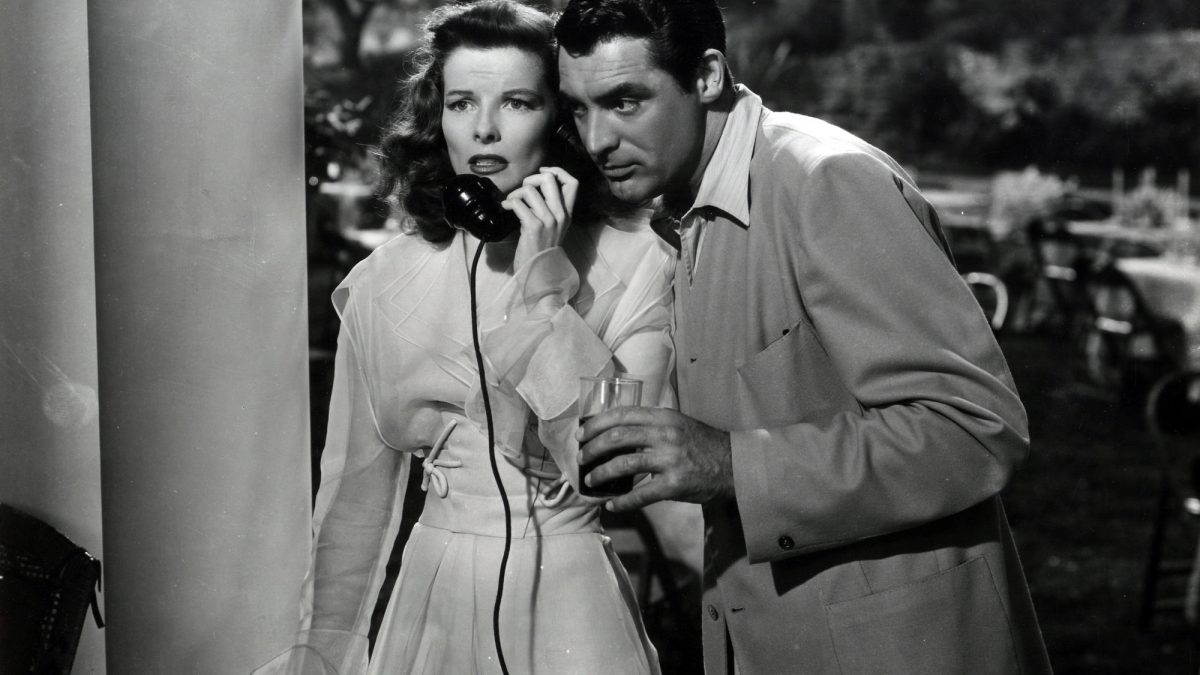
With her androgynous style and powerhouse performances, Katharine Hepburn quickly became a sensation in American cinema. After a checkered career as a stage actor, Hepburn became an overnight success with the release of her debut film A Bill of Divorcement. From there, her career rocketed on, reaching new heights with the release of A Philadelphia Story. While Hepburn’s onscreen persona fueled her icon status, her offscreen style truly cemented her legacy. A self-described tomboy in her youth, Hepbern told reporters that she shaved her head and went by the name Jimmy as a child. Her genderqueer style became even more refined as she aged, and she often donned menswear — a scandalous (and iconic) choice for the time.
Greta Garbo
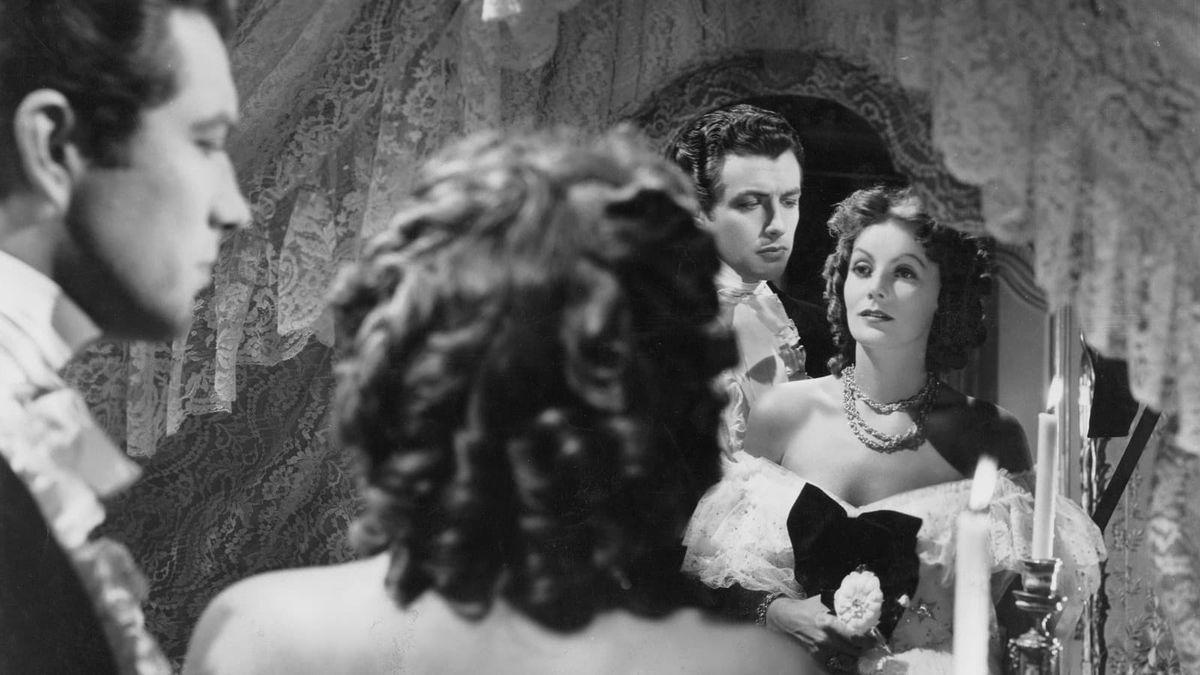
Like Katharine Hepburn, Greta Garbo had a complex relationship with her own gender. Though she’s best known for her portrayal of the titular, high-femme courtesan in Camille, she frequently self-identified in masculine ways. Often calling herself a “fellow” and a “bachelor,” Garbo adopted a proto-transmasc persona in her private life that bled into her onscreen career. This earned her both praise and criticism with the release of the film Queen Christina, in which her character dressed as a man to kiss a female co-star. Numerous theories have swirled about her sexuality and her relationships with women, which, when combined with her landmark impact on cinema, have elevated her to icon status in queer culture.
Elizabeth Taylor
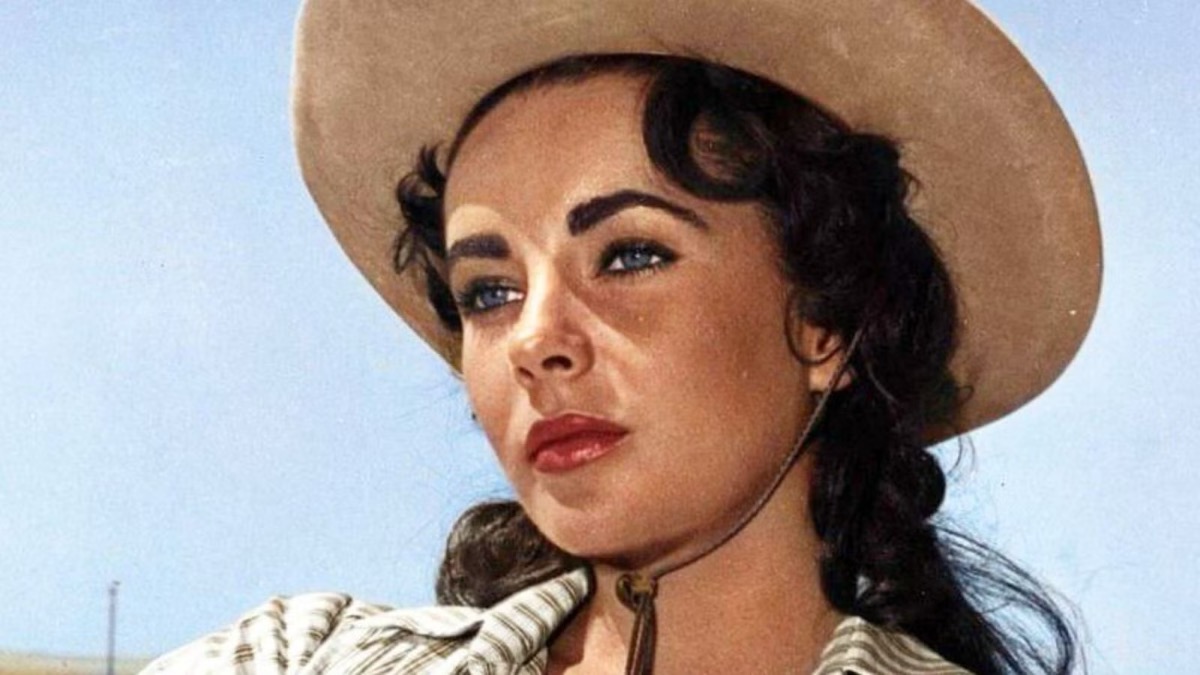
When Cleopatra was released in 1963, Elizabeth Taylor’s name became synonymous with the word “glamour.” Though this historical epic helped Taylor make history as the first actor to be paid a million dollars for a role, her status as a Hollywood leading lady had been cemented over a decade before. While Taylor’s incendiary talent and otherworldly beauty made her an icon of American cinema, it was her real-life legacy that truly cemented her reputation as such within the queer community. After the AIDS-related death of her close friend and fellow queer icon Rock Hudson, Taylor became a fierce advocate for victims of the disease. Hailed as the “Joan of Arc of AIDS,” she raised money for AIDS research, lobbied Congress to pass AIDS-relief legislation, and challenged social stigma by hugging and touching people affected by the condition. She was more than just a figure of queer adoration; she was a staunch ally of LGBTQ+ people everywhere.
Tab Hunter
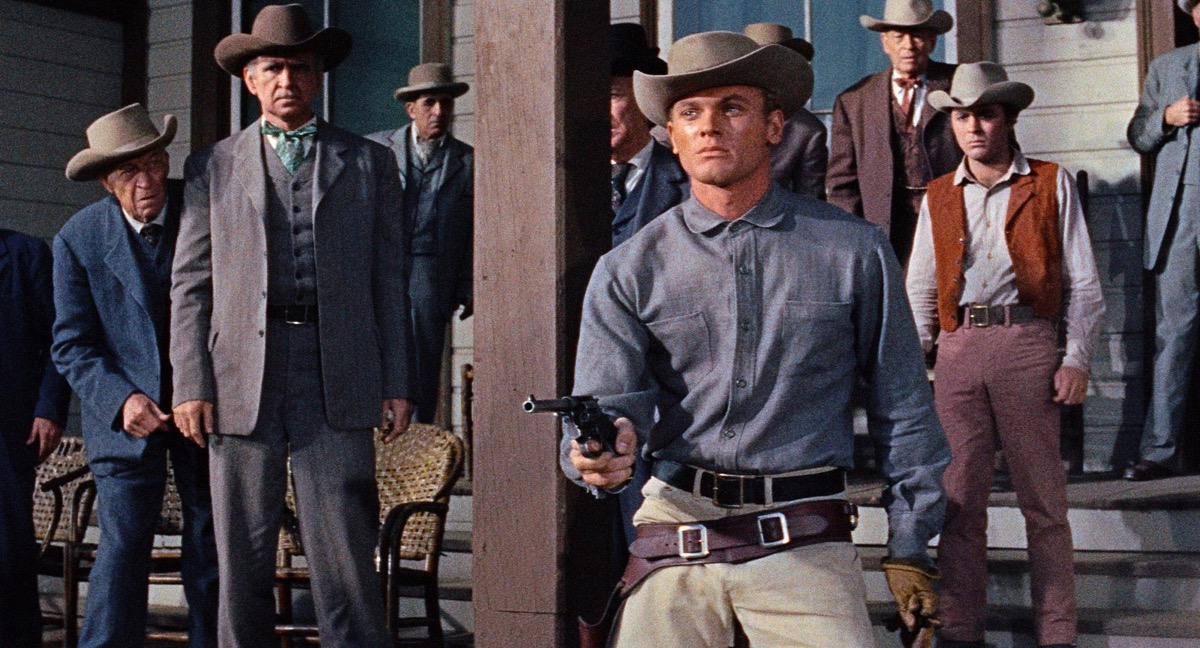
Tab Hunter was the quintessential Old Hollywood heartthrob, his chiselled features and noble-hearted characters made him an icon of American masculinity. A boy next door who appeared in mid-20th-century dramas like Battle Cry and The Burning Hills, he quickly became known as one of Hollywood’s most bankable male leads. His career reached an apex with the film Gunman’s Walk, in which he played a gunslinging villain in stark departure from his normally “good guy” persona. His career stalled in the years to come, but was instantly revitalized by his appearance in the John Waters film Polyester, where he made gay history by sharing an onscreen kiss with queer icon Divine. It was while working on this film that he met producer Allan Glaser, the man with whom he would spend the next three and a half decades of his life. Though Old Hollywood sadly wasn’t ready for an openly gay leading man at the height of his career, Hunter was finally able to publicly embrace his sexuality later in life — making him a queer icon in the process.
(featured image: Paramount Pictures)
Have a tip we should know? [email protected]
Follow The Mary Sue:
