


Thieves can’t stop stealing from France’s museums as heists keep occurring
Smash-and-grab heists are a troubling trend.
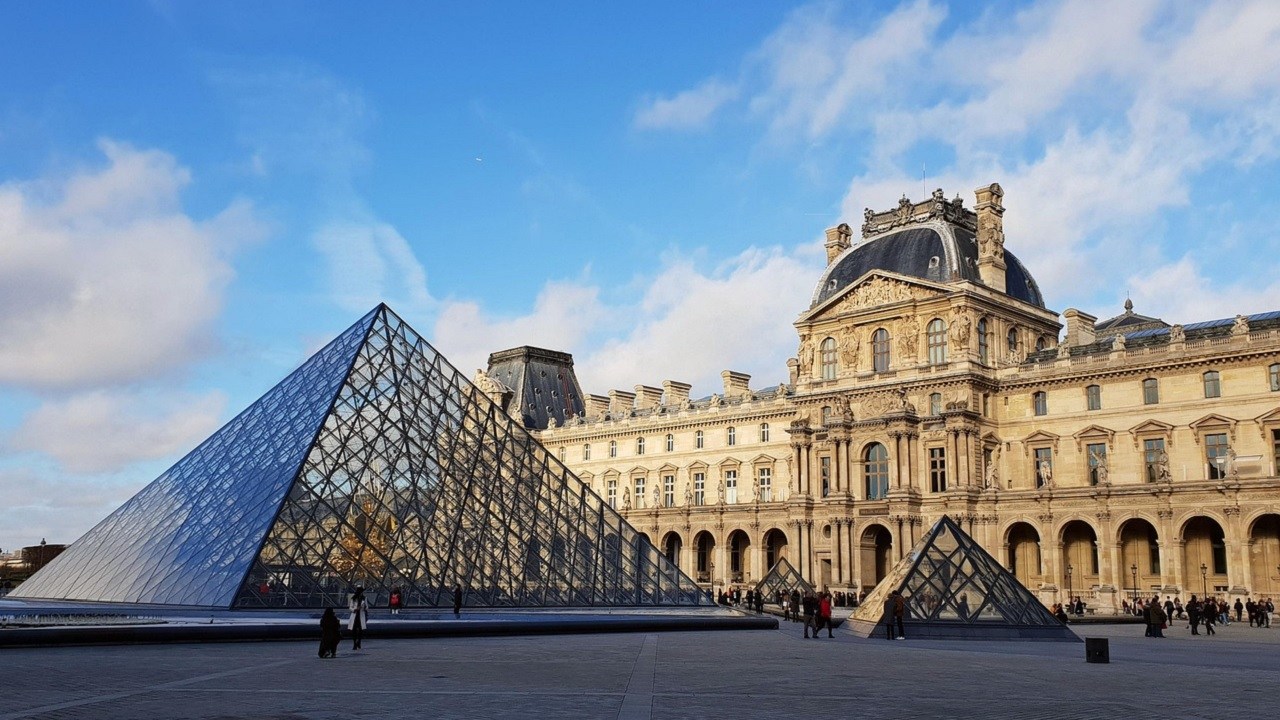
France’s passion and pride for its culture and history come with the unfortunate side effect of making its museums a high-value target for thieves. Last week, two Renoir paintings were stolen from a museum on the French Riviera, following two other museum heists that took place this past July. Then, last year, there was a jewel heist at the famous Louvre.
One of the July heists resulted in the theft of a 2,500-year-old necklace, while the second July heist resulted in the theft of dozens of pieces of jewelry with a combined value surpassing five million US dollars, or four-and-a-half million euros. Last week’s heist resulted in the loss of two Renoir paintings, and last year’s jewel heist at the Louvre resulted in the loss of over 100 million US dollars in jewels, or almost 90 million euros.
Museums hold treasures without intense security
While France is seeing a lot of heists due to the number of museums and treasures the country holds, this issue isn’t unique to France. This is because museums are in a unique position where they contain a lot of valuable items and maintain an open connection with the public. The result is that museums have to balance security with accessibility, unlike retail stores that decided to remove accessibility to products like makeup by putting them in locked displays.
When high-value items and low security result not only in the monetary loss of paintings and jewels, but the loss of pieces of history, the question becomes how museums can protect artifacts and remain centers of cultural learning and appreciation.
History has left museums vulnerable in some ways
For some museums, such as the Louvre, the buildings that now hold the museums weren’t originally built with that purpose in mind. The Louvre was originally built as a fortress in the 12th century, later became a royal residence, and then was turned into a Renaissance palace by King Francis I in the 16th century. In 1793, the Louvre was opened as a museum with over 500 works in its collection following the French Revolution.
Napoleon Bonaparte temporarily renamed the museum after himself while in power, which would have made it the perfect spot for this plate from a thrift shop in Idaho that may have been owned by Napoleon. The museum’s name was then changed back to the Louvre when his rule ended and has kept the name since.
Given the age of some museums, it might not be surprising that their security measures have also aged, making them less effective. However, the conversations about what to do about museum security moving forward are centered around balance. Museums are meant to be a place where visitors enjoy art and history, and security measures can hinder that experience depending on how they’re implemented.
Have a tip we should know? [email protected]