


Previously Unknown 210-Million-Year-Old Dinosaur Species Uncovered in Zimbabwe
Dino lovers, meet your new favorite dinosaur.
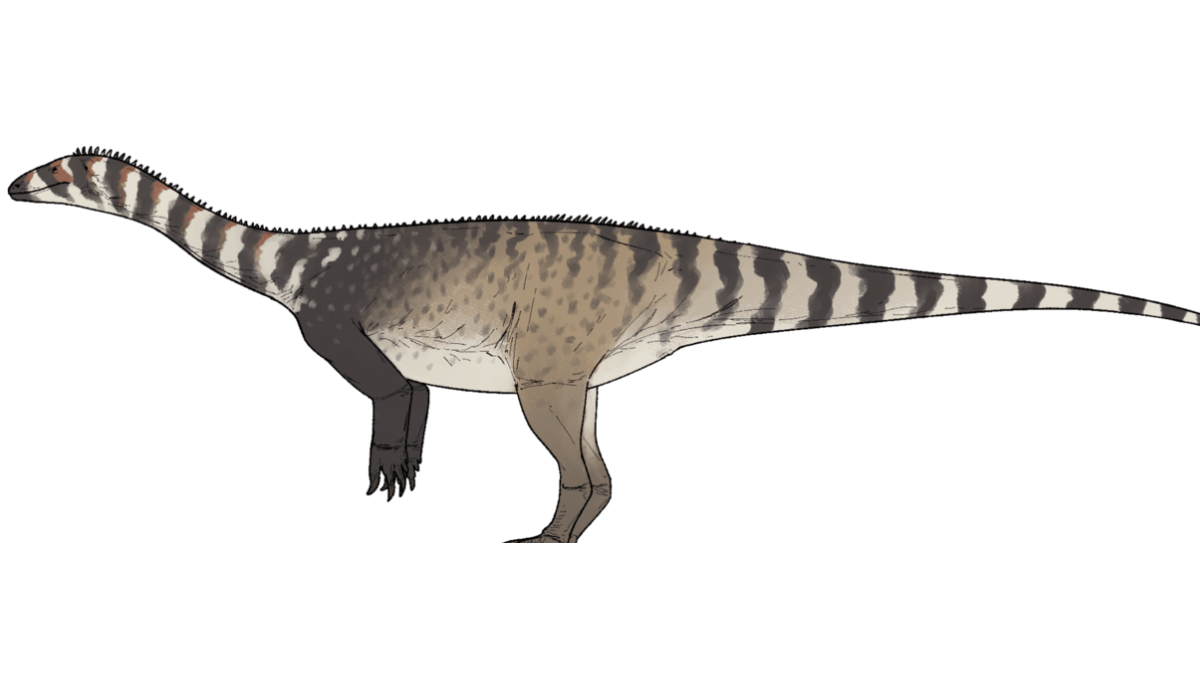
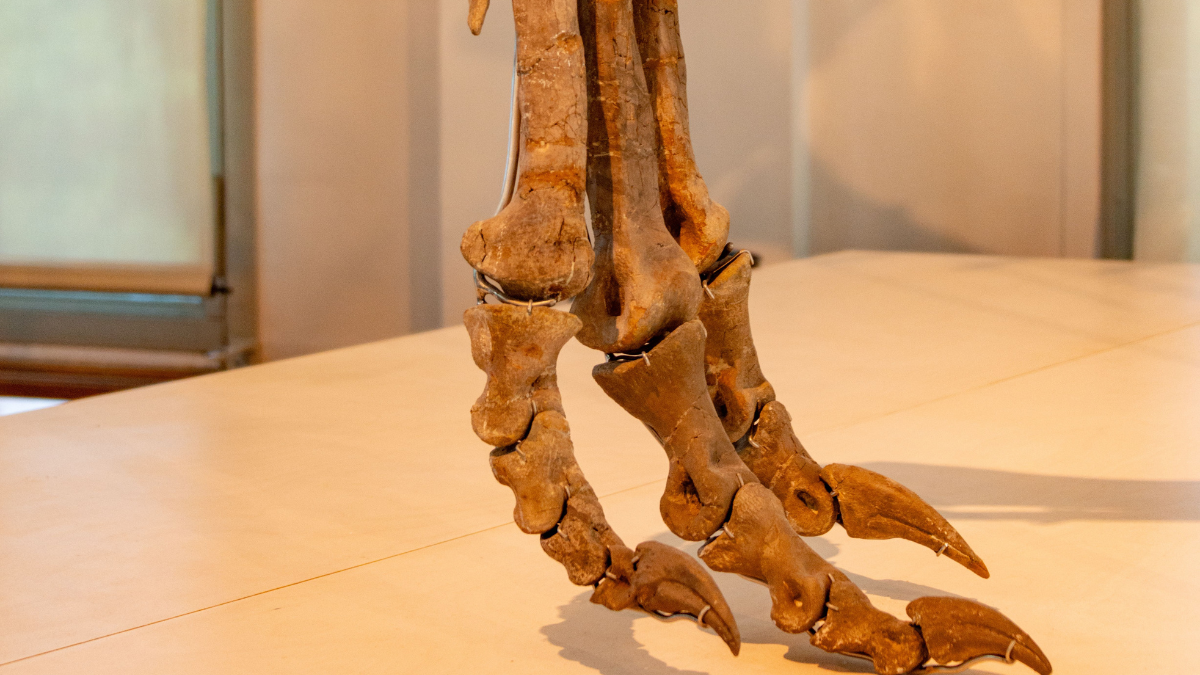
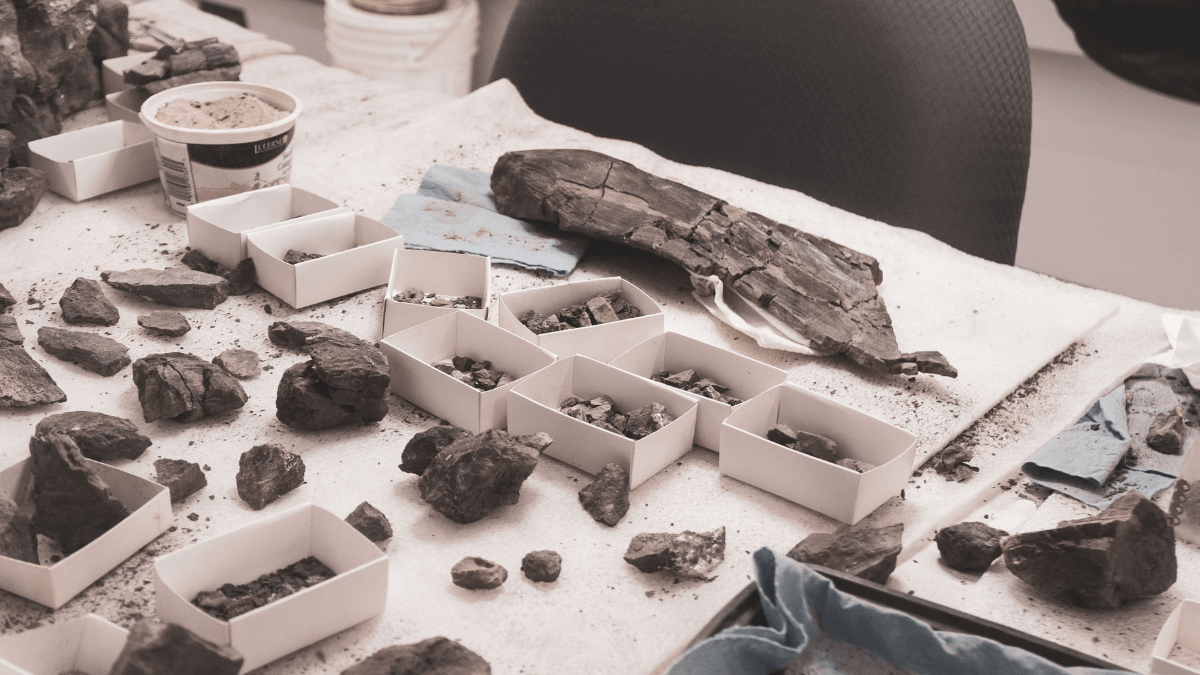
New dino alert! Researchers discovered a set of fossilized leg bones on the shore of Lake Kariba in Zimbabwe, which proved to be a previously unknown dinosaur. Although researchers uncovered the fossils in 2018, the species has only now been formally described.
The research, published in the Journal of Systematic Paleontology, has newly named the species Musango matusadonaensis. The study also estimates the dinosaur’s size and offers clues about how it died.
Additionally, the 210-million-year-old Musango matusadonaensis has provided researchers with more clues about what Africa was like when dinosaurs roamed. As the lead author of the study, Paul Barrett, explained, according to Phys.org, “It suggests that what we’ve found so far is only the tip of the iceberg.”
The Dinosaur Was Smaller Than Later Long-Necked Giants
As the Musango is 210 million years old, it lived sometime during the Late Triassic. This era was when dinosaurs were becoming more widespread but were not yet the dominant land animals.
According to researchers, Musango was on the lighter side, comparatively. Unlike heavier long-necked dinosaurs that came about millions of years later, this newly found species only weighed around 222 kilograms (490 pounds), or about the same weight as a grown pig.
Because the Musango fossil is one of the most complete dino skeletons discovered in Zimbabwe, with the feet, legs, ribs, spine, and arms preserved, researchers were able to estimate the dinosaur’s age at the time of death. Estimates put it at approximately eight years old and almost, but not quite, fully grown at the time of its death. Its bones also show it had recently recovered from a serious injury or infection before it died.
Africa May Hold Many More Dinosaur Discoveries
Until the discovery of the Musango, it was believed that all the dinosaurs living in southern Africa were relatively the same. However, this discovery suggests that the region instead consisted of several different ecosystems, each home to a distinct dinosaur species. Additionally, research suggests that this dinosaur might be related to those found in Argentina, providing evidence that early dinosaur species spread across landmasses that were connected at the time.
The discovery also highlights how much remains undiscovered in Africa. In a statement, co-author Dr. Kimberley Chapelle said the continent’s fossil record is underrepresented largely because of “undersampling,” explaining that fewer researchers have searched for dinosaur fossils there than in other regions of the world.
(feature image: Wikimedia Commons/Connor Ashbridge)
Have a tip we should know? [email protected]
Follow The Mary Sue:
