


Pixar Cut an LGBTQ+ Storyline From ‘Elio’: “We’re Making a Movie, Not Hundreds of Millions of Dollars of Therapy”

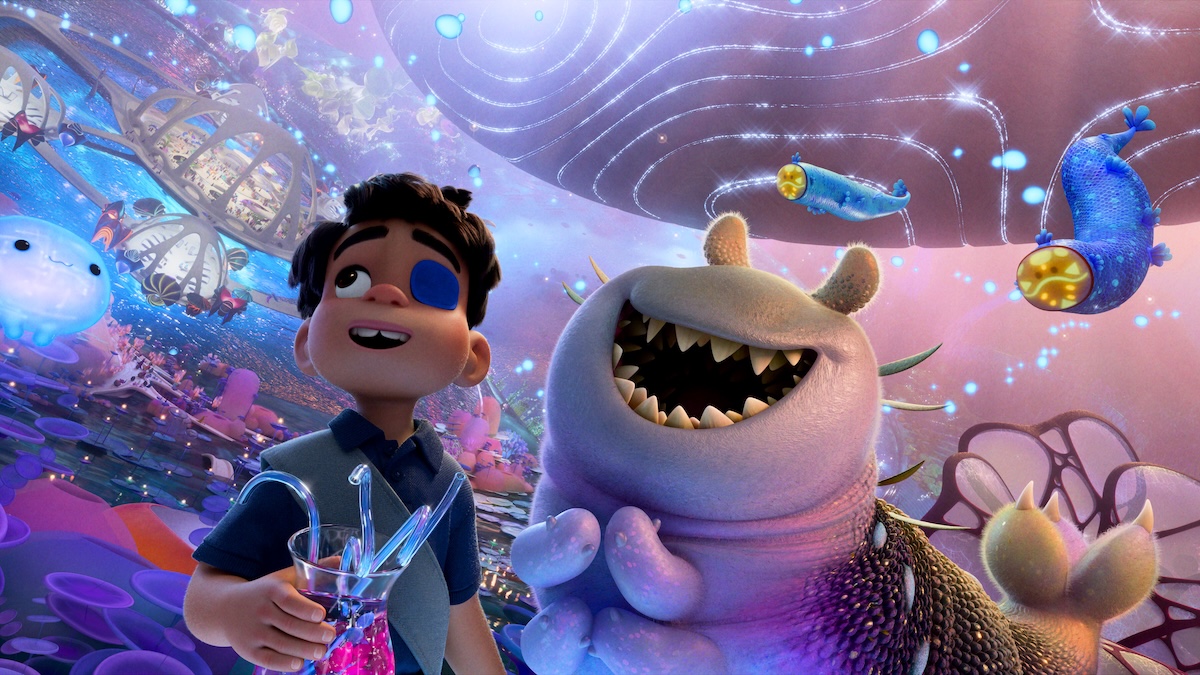
Pixar Chief Creative Officer Pete Docter had a strange interview where he explained why Elio cut some LGBTQ+ elements from the story. The head man sat down with the Wall Street Journal to talk about Hoppers. But, with a larger conversation about the studio’s original efforts bubbling in the background, Docter had to address some of those recent movies.
Elio was a movie that didn’t find an audience in theaters. Numerous postmortems on that film pointed to a lot of studio tinkering and the removal of a gay plot point in the film. This has been reported on in the past, and folks wonder what was going on behind the scenes.
Docter argued, “We’re making a movie, not hundreds of millions of dollars of therapy.” Funny, that’s not what Nicole Kidman told me in the intro to many different films. But, on a more serious note, this response from the executive reeks of cowardice. The man who directed Inside Out saying that emotions are not the point of art? Yeah, sure dude. Poor Elio in retrospect, caught up in the studio trying to scramble in the face of the obvious culprit: too much corporate greed.
So many of the creatives that have given us these beautiful films from Pixar are LGBTQ. To couch concerns about trying to appeal to conservative audiences in the language of protecting children is cowardice. I would argue by definition. Because, who is the audience then really? Do gay people count? All things to ponder. All this discourse is going to be an annoying button on an otherwise successful weekend for the studio.
Elio, Censorship and What The Future of Entertainment looks like
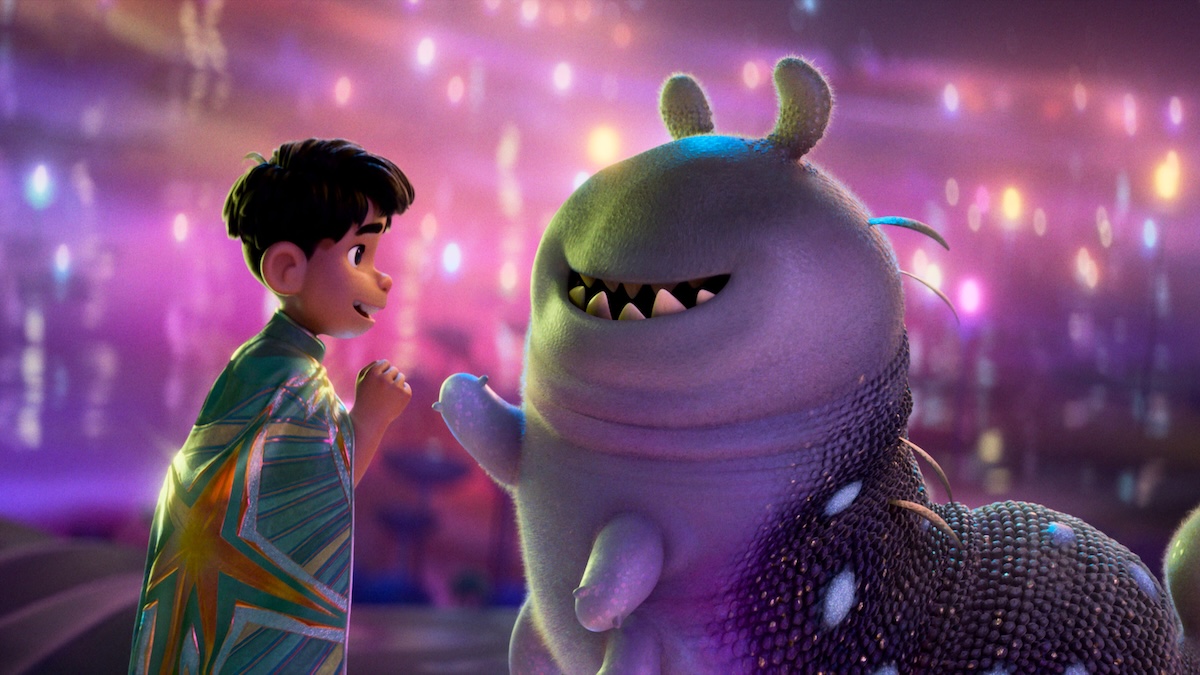
Elsewhere in that piece, the Pixar executive talks about parents complaining about having to “explain gay people or gay relationships to their kids.” In 2026 the phrase phrase, “think of the children” or any of its variants should be an immediate tell that the person is either operating in bad faith or needs to read a lot more about a given issue. Gay culture is far from a niche at this point in the game. Some of these kids, especially in population centers in the United States, probably go to school with a kid who is queer or has queer parents.
In that way, there’s not much to explain. Unless having trouble giving voice to your own predilections. That itself is an extension of trying to control the conversation for your children. Seems dubious over here, but there’s nothing illegal about it.. All of this is really murky as Inside Out 2, Pixar’s most profitable movie, probably sparked some conversations on the way home, and we’ll leave it at that! Those of us with long memories can recall how the right wing media ecosystem in this country whipped itself into a frenzy for literal seconds of lesbians on-screen during Lightyear.
Isn’t everyone tired?
The entire situation is exhausting, and not because of the gay people involved in it. Personal content and narratives help make art feel like something bigger than it is. If Pixar was smart, they’d do more running towards that than away from it. I would also caution against blaming streaming for all of the problems that the studio has faced recently. Much like the Star Wars fandom, merely sticking up for your own creatives in the face of obvious coordinated harassment campaigns could have done wonders to stem the tide against bad-faith public sentiment building on social media.
Instead of living in that reality, poor Elio got strangled in its crib and made into a movie that was about loneliness more than anything else. A timely subject, and one that would have struck a chord with more people if Disney had done a better job of promoting the film. (Let’s not forget that mergers, restructuring and good old-fashioned greed led to a ton of marketing talent being shown the door.) So, as the entertainment industry is so likely to do, we’re going to ignore structural problems to blame them on a vulnerable minority instead. As with most issues, a superficial lens isn’t going to cut it, we have to get down to the roots of problems to really move forward.
(featured image: Walt Disney Studios Motion Pictures)
Have a tip we should know? [email protected]
