


Ozempic users are shelling out for something totally unexpected—and the logic behind it is baffling
No one saw that coming.

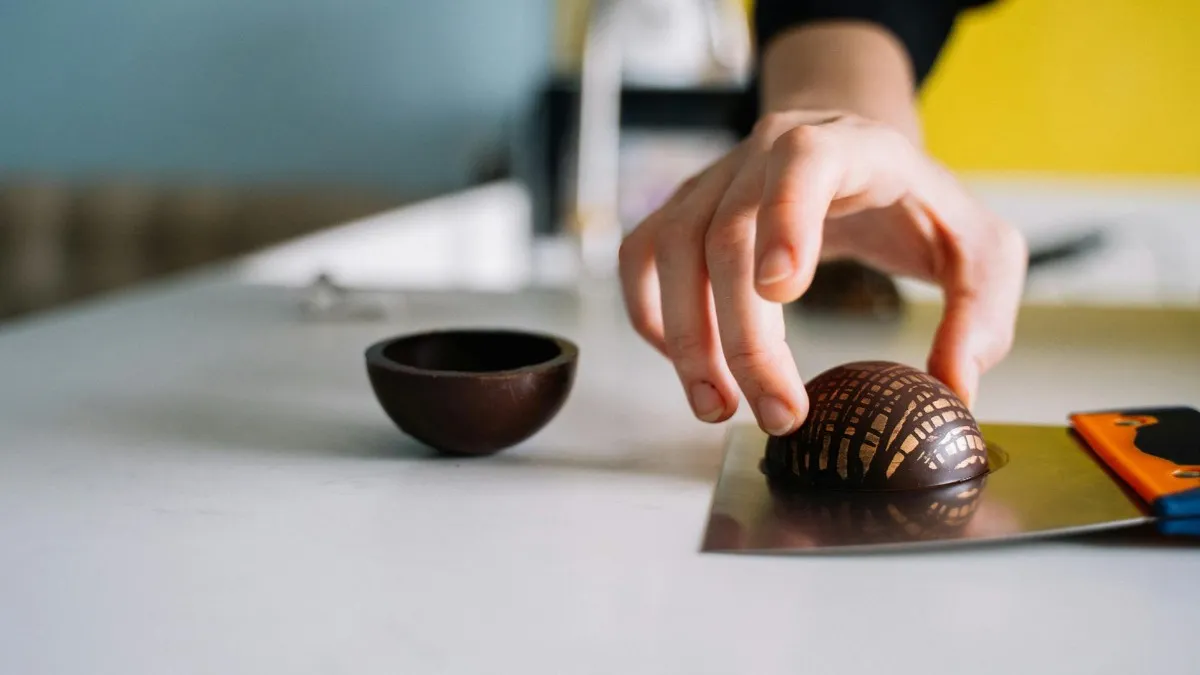
Contrary to what many might expect, people using popular weight-loss medications like Ozempic and Wegovy are actually spending more on high-end chocolate, defying earlier predictions about a decline in sweets consumption. This surprising trend comes from a new report, which indicates that premium chocolate sales are climbing faster among GLP-1 users than in the general population.
According to Fox News, Swiss chocolatier Lindt & Sprüngli recently shared data from an internal study that directly counters the idea that GLP-1 drugs would dampen people’s interest in sweets. It seems that while consumers on these medications might be cutting back on calorie-dense foods like pasta and pizza, they’re still very much in the market for a little indulgence.
Adalbert Lechner, the Chief Executive Officer, explained during a recent news conference that users are “upgrading to premium products.” He said, “Less is more — small rewards with a moment of bliss rather than mindless munching.”
Sometimes you just need that perfect bite of something luxurious
The internal study from Lindt found that 15% of US households are currently using GLP-1 medications. What’s wild is that these same households accounted for approximately 17.5% of chocolate sales in their dataset. Breaking it down further, US premium chocolate sales among GLP-1 users jumped by nearly 17% in 2025. Compare that to about 6.5% growth among non-users, and you can really see the difference.
Lechner noted in a news release that “Consumers worldwide continue to seek quality and moments of indulgence,” which definitely seems to be the case here. For those curious about the science, medications like Ozempic and Wegovy, which contain semaglutide, work by mimicking a natural hormone called GLP-1 (glucagon-like peptide-1).
Then you have tirzepatides, found in drugs like Mounjaro and Zepbound, which go a step further by targeting both GLP-1 receptors and GIP (glucose-dependent insulinotropic polypeptide) receptors. These drugs essentially help you feel fuller and reduce cravings, but apparently, not enough to kill the desire for a really good piece of chocolate.
Now, not everyone agrees on this trend in chocolate consumption. A 2025 study from Cornell University presents a bit of a different picture. That report suggested that GLP-1 users actually cut their spending on calorie-dense snacks by about 10%, with “similarly large decreases” in sweets, baked goods, and cookies.
Sylvia Hristakeva, an assistant professor and co-author of the Cornell study, explained that “The main pattern is a reduction in overall food purchases.” She added that “Only a small number of categories show increases, and those are modest relative to the overall decline.” So, while some data points to more premium chocolate, another perspective says overall spending on treats is down. It’s a bit of a mixed bag!
Despite these varying findings, Lechner isn’t worried about the popularity of weight-loss drugs impacting his business. He doesn’t view them as a threat, which makes sense if people are just shifting their spending habits to higher-quality items.
Analysts had initially expected GLP-1 pills to negatively affect the food industry over the next few years. Experts also predict that the introduction of oral versions of these weight-loss medications will expand the market even further, potentially including more men and younger patients.
Have a tip we should know? [email protected]
