


For Americans, ‘Metaphor: ReFantazio’ feels uncomfortably timely
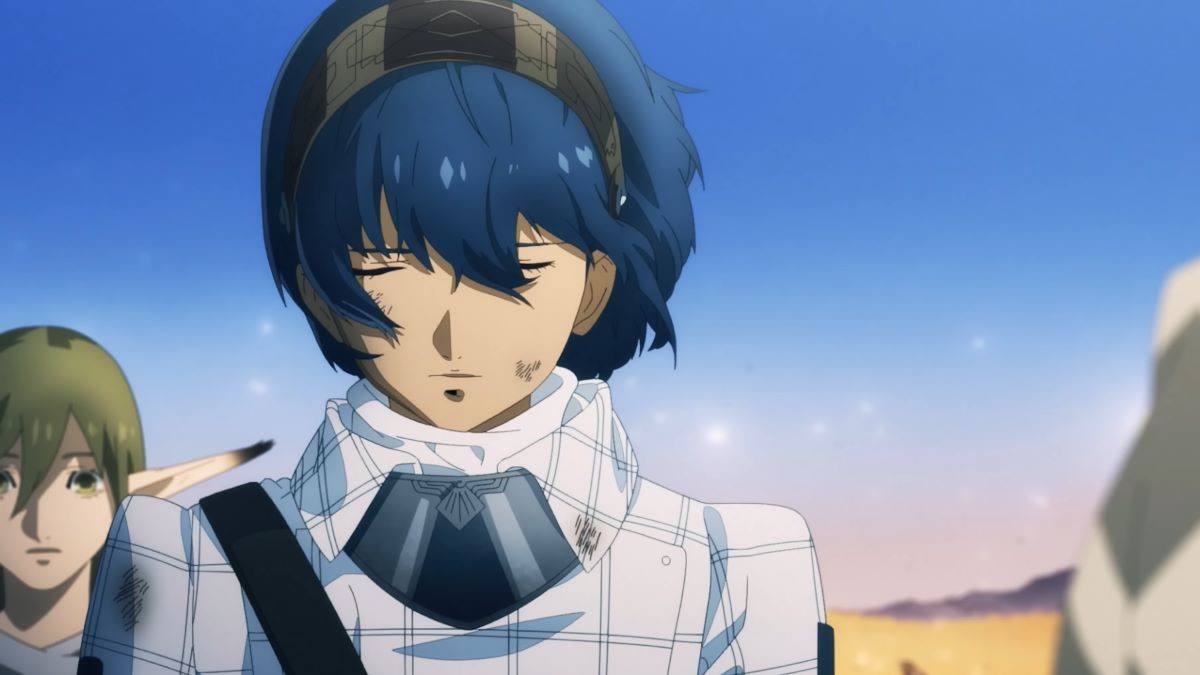
“The world is a horrific place, defined by inequality and intolerance. And the ones who shaped it are the wealthy few who sit atop it,” Brigitta, the merchant, tells the protagonist in Metaphor: ReFantazio. I was so surprised to read such an idea in a major JRPG that I took a screen grab. She’s not wrong, I thought.
There are many such moments in Metaphor: ReFantazio, the 100-ish hour JPRG from Persona 5 developer Atlus, which was released in October. The game takes place in the fantasy nation of Euchronia, populated by nine tribes who are treated with vastly different levels of privilege and prejudice.
Meanwhile, at the game’s outset, the nation’s king is killed by one of his top generals, Louis Guiabern. However, the king had designed an unprecedented contest to kickstart upon his death: there would be an election to choose the kingdom’s next leader. Naturally, the nation’s all-powerful church immediately seizes the reigns and runs the election as a contest under its care. You play as a young boy who hopes to challenge Louis for cursing your pal, the prince, into an unending coma.
As all of this might suggest, Metaphor is not just poignant but timely. Metaphor’s entire hypothesis is that the world is unjust and cruel—but if you don’t believe it can change, it won’t.
That’s something that Americans need to be actively reminded of in challenging times like these.
Racism and cruelty in Metaphor’s world
A large part of what makes Metaphor so striking is that the game looks square in the eye of the misery in this world. Corpses are shoved to the side of the streets. People are hung in the square for next to nothing.
Your party members, each of a different race, have intense stories about their own experiences, like how their son died from a beating sustained in a racially charged riot. How they participated in life-threatening experiments because it’s the only work their tribe can get. How their whole tribe hides their true looks all the time because it feels unsafe to “unmask.” There is a real-life equivalent to these at many points in American history.
Add in the ultra-powerful church, corrupted so much by material greed that it seized power and created the “crown theocracy,” and Metaphor comes at you with a world deeply in need of change. This is the center of the game’s democratic contest. Louis promises a world in which everyone is equal as long as they’re strong. Forden, the pope-equivalent of the church, wants the status quo.
You and your merry band fight for something that everyone feels is rather naive: a world in which everyone can be equal and flourish. Having such pure ideals in a world as dark as Metaphor’s feels as idealistic as it does in our own. But Metaphor knows that, and its response is refreshing: why should that stop you from working towards the world you want to see?
The role of anxiety in politics
There are some rather resounding answers as to why many of us at the bottom of the societal food chain feel we don’t have the power to change the system. Like Metaphor’s greedy nobles, our politicians don’t listen to us. In the absence of responsive politics, we’ve been made to feel disenfranchised, that this is “just how it is,” and that a better society is impossible to achieve.
In other words, we’re dealing with a rather potent combination of trauma and anxiety. As our collective hardships mount, we have to figure out how to cope with that: head-on or by turning away. “People will always prefer their own feelings to the truth,” ponders the political crier, Batlin. “Happiness is a luxury hard to come by otherwise.”
Slight spoilers for the late game: you eventually learn that the source of magic in Metaphor’s world is anxiety. And the overwhelming anxiety from the populace stemming from the election—and generations of systemic racism and oppression—has caused things to go off-balance.
“The more anxious the [country’s] people grow, the more they choose blind fanaticism over confronting their fears,” Louis observes in the endgame. Is that not how we ended up with Trump?
Granted, Louis is this game’s Trump. Like Trump, Louis is a fascist who knows what to say to get people on his side but doesn’t actually care about other people or their well-being. Louis has been masterfully whipping up the people’s fervor because he knows it benefits him politically.
“Blind fanaticism and doom go hand in hand,” sighs Batlin towards the endgame.
Burn it down—or push ahead?
Part of what makes Metaphor: ReFantazio so resonant is that it genuinely grapples with the question of how to make progress in a society that feels stuck in its toxic ways. The inertia required feels overwhelming. When faced with so much evil that goes unchallenged, it’s understandable that the impulse is to destroy the whole system.
“An entire tribe does not become so derided to the point of genocide by authority figures alone, but by the vice of the society in which that ignorance is born,” says Louis towards the endgame. The quote immediately brings to mind America’s complicity in the continuing atrocities in Gaza. With that close of a parallel, you have to contend with how Louis is kind of right. The ignorance and biased viewpoints of the American citizenry have played a significant role in getting us here.
But Louis would have you believe the next step is to literally raze the country to the ground. Even on social media, you see people exhausted with American institutions saying we should “burn it down!” But what we’re seeing right now is what happens when a major institution is “burned” down, and nothing comes up in its place. People in need fall through the cracks.
Metaphor understands the appeal of “burn it down.” It offers, in its stead, the significantly less sexy prospect of deliberately changing the existing system. The process is much slower, yes, but the game tells you over and over again that it can happen. If we all work towards it, a better future is possible. That belief will eventually be rewarded.
The game ends up less radical than where it begins, but even in the diminishing relevance of the game’s democratic contest, there’s something that feels true to our real world. Change is gradual; the game tells you this time and time again. The initial outcome may not move the needle as far as you want it. But what’s important is that the needle moved and that you keep working to move it.
“Years of prejudice won’t go away overnight,” the protagonist thinks to himself towards the end of the game. “Nothing could accomplish that. But if we don’t believe things can change, they never will.”
In other words: “What choice is there but to believe [in my vision] and fight on? The alternative is to accept nothing will change.”
Have a tip we should know? [email protected]
Follow The Mary Sue: