


‘Daredevil: Born Again’: Nobody handles grief like Frank Castle, and that’s exactly what Matt Murdock needs

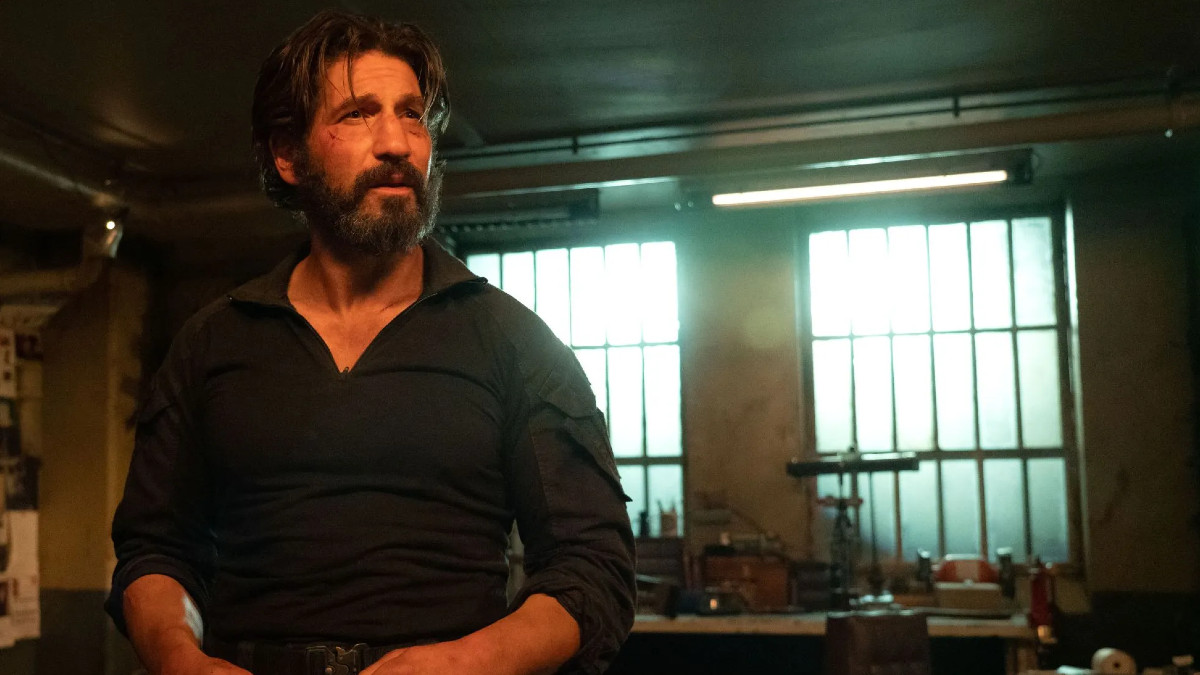
I knew beforehand that Frank Castle’s return would wreck me emotionally. How could it not? Jon Bernthal’s version of The Punisher is a powerhouse of pain, grief, sorrow, and anger, and he has proven it more than once in Daredevil season 2, The Punisher series, and now, again, in Daredevil: Born Again.
Oh, Frank. How I’ve missed you.
Frank is integral to Matt Murdock’s (Charlie Cox) story. Of course, they have diametrically opposing viewpoints. It’s what makes their “frenemy” dynamic so compelling. Matt believes in the criminal justice system and the absolute distinction between right and wrong. His faith won’t allow him to kill someone, no matter how close he may have come to crossing that line, and he struggles with his lust for violent justice at every turn. Nowhere is this more apparent than in Daredevil: Born Again episode 2, when corrupt police officers goad him into showing his true colors and he lets out what can only be described as a primal scream once his opponents are down for the count.
Then there’s Frank, whose family was brutally murdered during a “deal” gone wrong and who has been doling out his own brand of justice ever since. Frank vehemently does not believe in the system; he does not believe that bad people can ever truly be redeemed or rehabilitated, himself included. On some level, Frank believes Matt is merely delaying the inevitable, and that theme bleeds into their conversation in Daredevil: Born Again episode 4.
Grief, guilt, and all-consuming rage
Now, Frank deals with his grief in an … unorthodox way. I mean, he’s killed so many people since his family died, and yet, oddly, despite his penchant for extreme violence, Frank is unafraid to acknowledge his pain. He could have buried it beneath his vigilante persona, he could have simply told Matt that he wanted to rid the city of its underworld, but instead, in Daredevil season 2, Frank shares his anguish with Matt in a moment so emotional and painfully human, I still tear up when I think about it. That graveyard scene elevated Frank Castle’s character to new heights. Unlike many men in the MCU—and the real world—Frank isn’t afraid of revealing his true feelings. For better or worse, he acknowledges his grief.
Matt isn’t like that. We haven’t seen him grieve his best friend, Foggy (Elden Henson). (RIP, buddy). Part of that is due to the one-year time skip that the show included, of course, and yes, we know that Matt carries Foggy’s prayer card with him in his jacket pocket every day, an admittedly lovely detail. Other than that, though, Matt has seemingly moved on with his life. He’s built a new law practice, has a new girlfriend, made new friends, is helping his community, and moved into a great new apartment. One would think that’s healthy, right? Life moves on. You grieve those you love and you learn to live without them. Let’s be honest, though. Matt hasn’t truly grieved Foggy’s death yet—and he needs to.
Spoilers ahead for Daredevil: Born Again episode 4, “Sic Semper Systema.”
Matt’s guilt, fear, and sorrow permeate every scene. Sure, Bullseye has been put away for life, which means the system worked! So why is Matt still in so much pain? And why won’t he share it with anyone? Even Karen couldn’t pull it out of him. The only one who can is Frank, and he does so in episode 4.
“You’re guilty! Yeah, that guilt, that shame, that’s my home, Red. I can see it on you, I can smell it on you. It’s all over you … You come at me with that horsesh*t about saving lives, how ’bout that friend of yours? You save his life? You lost him, didn’t you, Red?”
Matt immediately says “It’s not about him,” repeating himself twice, three times, even, as if to convince himself, but Frank knows better. He tries to get Matt to acknowledge the truth, to get him to say Foggy’s name out loud and feel the hurt he’s feeling (in the most blunt, Frank Castle-way possible). Matt needs to, or one day, he will lose a part of himself to that grief. “It’s not about him? You hate yourself. It’s eating you up,” Frank says. “It’s all about him. He talks to you, doesn’t he? You hear his voice, you do, don’t you?” And for the first time since Matt threw Bullseye off the roof of Josie’s in episode 1, Matt outwardly shows his feelings. He tries to reign it in, but he’s crying, losing control of a part of himself he’s kept locked away tightly. “It’s going to keep eating at you. It’s going to keep eating, and eating, and eating at you and there’s no getting away with it, you understand?”
Of course, they still don’t agree. Frank believes that Matt should have killed Bullseye, and Matt believes putting him away for life is good enough. They’re both right. Matt shouldn’t have to compromise his beliefs and morals to deal with his grief, but Frank is also right to call out Matt’s unwillingness to confront his true feelings. Something needs to change, or Matt will cross that all-important line one day. The longer he keeps himself closed off, the more inevitable that turn becomes. Hopefully, saying his name out loud in this episode and acknowledging Foggy’s importance in his life is the first step to embracing and genuinely dealing with his pain. I don’t want to know what Matt Murdock becomes if he doesn’t.
Have a tip we should know? [email protected]
