


Chicago Woman’s Routine Wendy’s Delivery Turns Into a $93,000 Medical Nightmare After She Allegedly Contracts a Rare Bacterial Infection
Hidden dangers.
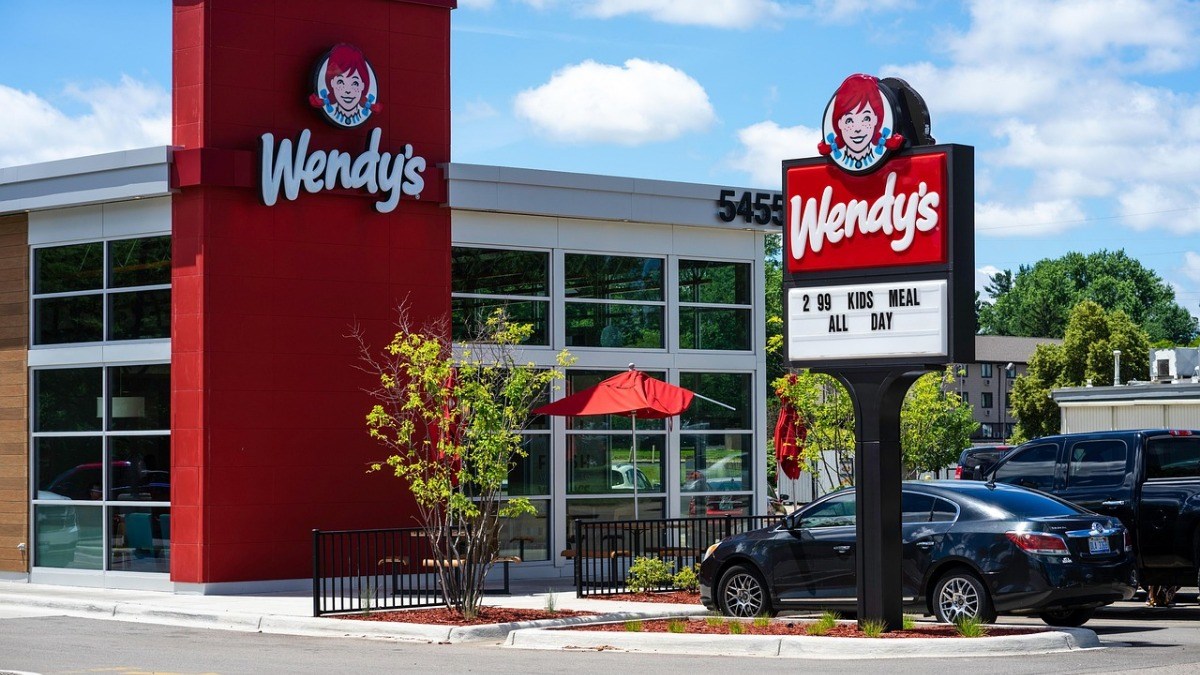
A Chicago woman’s routine Wendy’s delivery has spiraled into a $93,000 medical nightmare after she allegedly contracted a rare bacterial infection from her meal. PEOPLE reports that Roxie Ellis Douglas, 68, is suing the fast-food chain, claiming a double cheeseburger and baked potato she ordered on August 5, 2025, left her hospitalized with severe complications.
The lawsuit, filed on July 30, 2026, alleges the meal was contaminated with Campylobacter and other harmful bacteria, leading to a cascade of health issues and staggering medical bills. Douglas’s complaint paints a grim picture of what should have been an ordinary fast-food order. She says the meal arrived in a sealed, unopened bag via DoorDash, and she ate it at home without any immediate red flags. But within hours, her life took a dramatic turn.
The lawsuit claims she suffered from campylobacter intestinal infection, acute infectious colitis, leukocytosis, dehydration, gastroenteritis, and hypokalemia secondary to diarrhea – all allegedly tied to the contaminated food. Medical records show she racked up over $93,000 in expenses, including ambulance rides, hospital stays, and a colonoscopy months later.
The financial toll is staggering
Between August 6 and August 9, 2025, Douglas incurred over $24,000 in hospital bills. A second hospital stay from August 16 to August 21 added another $42,000 to the tab. EMS transport alone cost nearly $3,000, and a follow-up colonoscopy in January 2026 tacked on nearly $13,000 more. The lawsuit argues that Wendy’s failed to ensure the meal was safe for consumption, accusing the chain of negligence in food preparation, storage, and inspection.
According to the Centers for Disease Control and Prevention, Campylobacter is one of the most common causes of diarrheal illness in the U.S., linked to raw or undercooked poultry. The lawsuit claims the bacteria made Douglas’ meal “unreasonably dangerous” and defective. It argues that ordinary consumers wouldn’t expect such a hazard in a fast-food order. She’s seeking damages exceeding $50,000, though the final amount will be determined in court.
Wendy’s hasn’t commented publicly on the case, but it has requested for it to be moved from state to federal court. It also demanded a jury trial. So far, it hasn’t filed a formal response to the allegations, but its public stance on food safety is clear. The chain’s corporate website emphasizes a “preventive, risk-based approach” to food safety, boasting that all suppliers undergo regular testing and audits.
Wendy’s also highlights its commitment to Beef Quality Assurance, a program that trains farmers and ranchers on best practices for cattle management. Since 2018, the company claims it has sourced 100% of its beef from certified sources.
Wendy’s has faced legal trouble over foodborne illnesses before
According to The Independent, in 2000, an E. coli outbreak was linked to a restaurant in Oregon. Six years later, another E. coli incident emerged from a Utah location. More recently, in 2022, over 100 people across six states fell ill after eating at Wendy’s.
The current lawsuit arrives amid a separate, nationwide outbreak of cyclosporiasis – a parasitic infection causing explosive diarrhea – tied to contaminated lettuce served at Taco Bell. That outbreak, which began in May, has resulted in nearly 14,000 confirmed cases and at least two deaths.
Douglas’s complaint levels three main accusations against Wendy’s: strict product liability, negligence, and breach of warranty of wholesomeness. She argues the chain failed to maintain sanitary kitchen conditions, use safe ingredients, and warn consumers about potential hazards.
The lawsuit also claims Wendy’s breached its implied warranty that the food was safe to eat and prepared under sanitary conditions. For Douglas, the stakes are high. Beyond the financial burden, the ordeal has upended her life, turning a simple meal into a months-long health crisis.
Food safety experts often point to fast-food chains as having robust protocols
However, this case highlights how quickly things can go wrong. Campylobacter infections can be particularly brutal, with symptoms ranging from stomach cramps and fever to bloody diarrhea. For someone in their late 60s, the risks of complications like dehydration or secondary infections are significantly higher.
Douglas’ story serves as a stark reminder of the hidden dangers that can lurk in even the most routine fast-food orders. For now, the lawsuit is still in its early stages, but the implications could resonate far beyond this single incident. If the court sides with Douglas, it could set a precedent for how fast-food chains handle food safety and consumer warnings moving forward.
The case also raises broader questions about accountability in the fast-food industry. With delivery services like DoorDash adding another layer to the supply chain, ensuring food safety becomes even more complex.
Douglas’ complaint specifically mentions the meal arrived in a sealed bag, which might have given her a false sense of security. But if the food was contaminated before it left the restaurant, that seal did little to protect her. It’s a troubling thought for anyone who relies on delivery for convenience.
(Featured image: michaelform on Pixabay)
Have a tip we should know? [email protected]
Follow The Mary Sue:
