



Belén director Dolores Fonzi wants women to remember their power

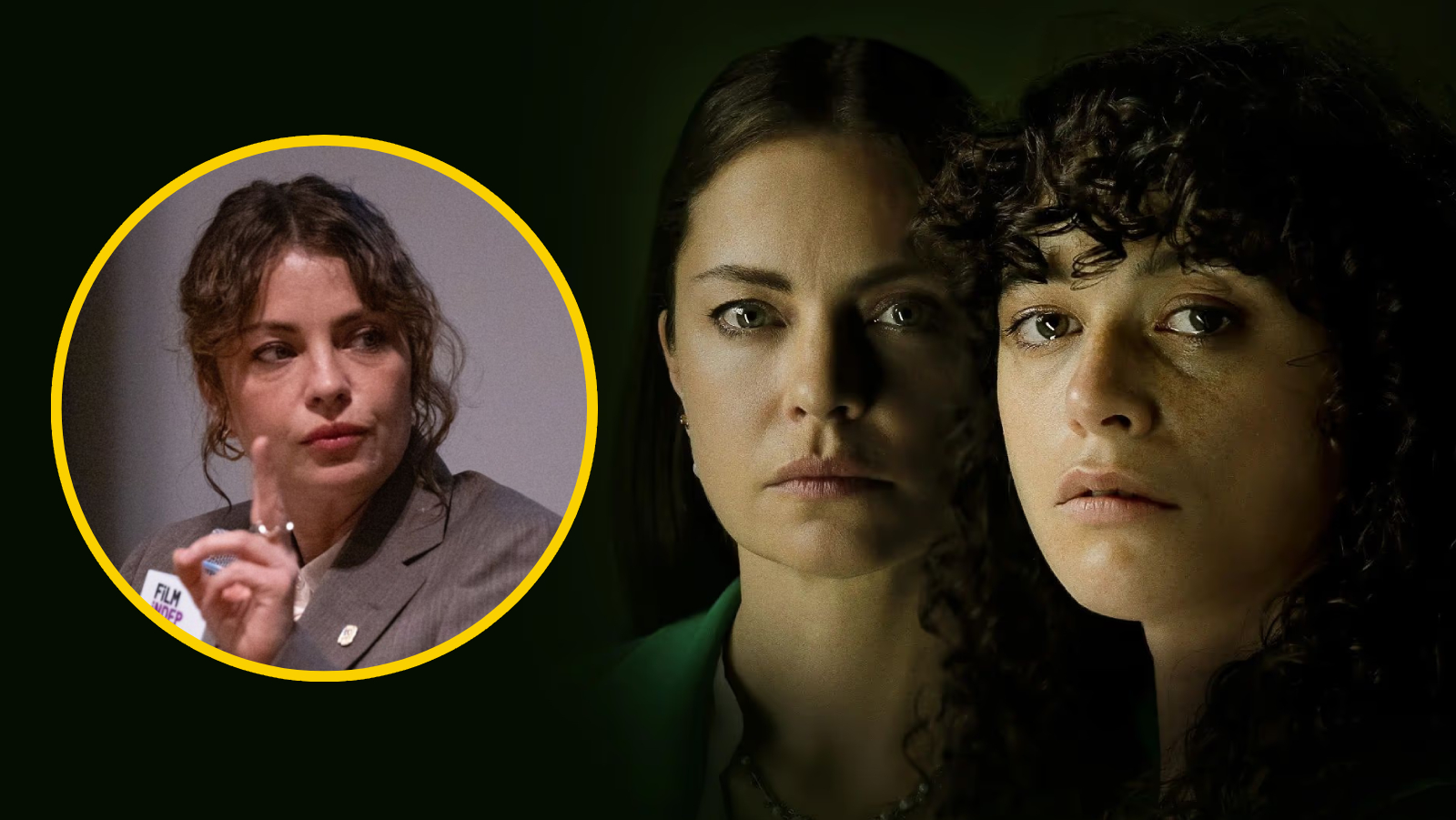
Belén is a thought-provoking legal drama that should make your end on 2025 lists. The Mary Sue’s Rachel Leishman had the opportunity to talk to Dolores Fonzi about her latest work.
Belén’s core narrative surrounds some heavy topics about bodily autonomy, justice, and community during the course of this film. We asked about letting light shine through some painful moments in the narrative, and Fonzi was elated to see someone appreciate a “Gangam Style” needledrop in the year 2025. As you might expect, the director was happy to pull from her personal experience in Argentina.
“When we were working on the script, we were trying to put these layers of humanity into the roles,” Fonzi said. “And the year before writing the movie, I got my kid, my girl, was going out of primary school in Argentina. And when you have a kid that is finishing the primary or the secondary, you have to do a video.”
“So, as I did my first movie, that was Blondi the year before, of course, as soon as they were planning to do a video, I was like, ‘Okay, the video, you did it, you do it!’ And it was my turn to do it,” she shared. “So, I was shooting in Italy, coming back and doing a lot of things.”
“And, in the middle of that, I have to do the video of the ending of my kid’s school. So, it was a nice way of showing these hundreds of things that we have to do as mothers, women, workers, you know? All the things that we do. We try to be everywhere at the same time and to show [that experience.]”
Dolores Fonzi on Belén

Belén‘s release comes at an interesting point in our current moment. The power of women in the political and cultural landscape is fluid. But, for Fonzi, stories like the one at the center of this film can inspire hope. Mostly because they show how collective action is the way forward.
“I think that we have to believe and trust in that, because we need to feel this refreshing confirmation that the collective work of women, that the power of everybody together asking for what we need,” Fonzi explained. “Asking, fighting again, for what we need as human rights is very important today. And, and why? Because it’s a crazy world.”
We have to remember that we can do it. You know what we could do in that moment? We can repeat it,” she argued. “So, it’s very important for everybody, not just for my 14-year-old daughter, for everybody to remember what we did in that moment, we can repeat it now. And, that the power of a union is very powerful.”
The world outside our windows
Dealing with weighty subject matter is no strange feeling for this director. But, this is a movie at the end of the day and that means some requisite trimming of the narrative.
“We had a script, and we worked a lot on a script. But, then of course, the rewriting is in editing. We had a movie that was two hours and 20 minutes, and then we took out 40 minutes. Now we have a movie that is one hour and 40 minutes or 43 minutes. 47? So, we left behind a lot of things. We changed, of course, with this one thing, willing to make it cinematographic. You know, the real case. So, to push, to make pressure in some moments. Then, to let them, to let the people breathe in some other moments.”
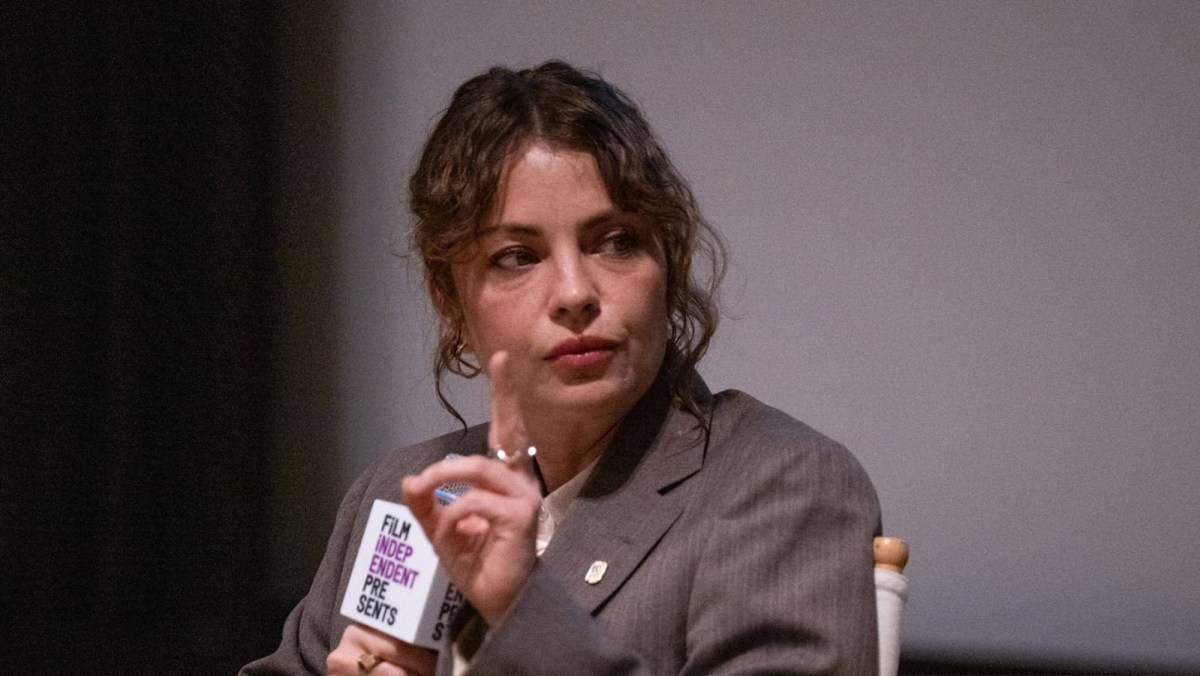
(Photo Credit: Amanda Edwards/Getty Images for Film Independent)
Have a tip we should know? [email protected]
