


Australia put an end to teenagers on social media

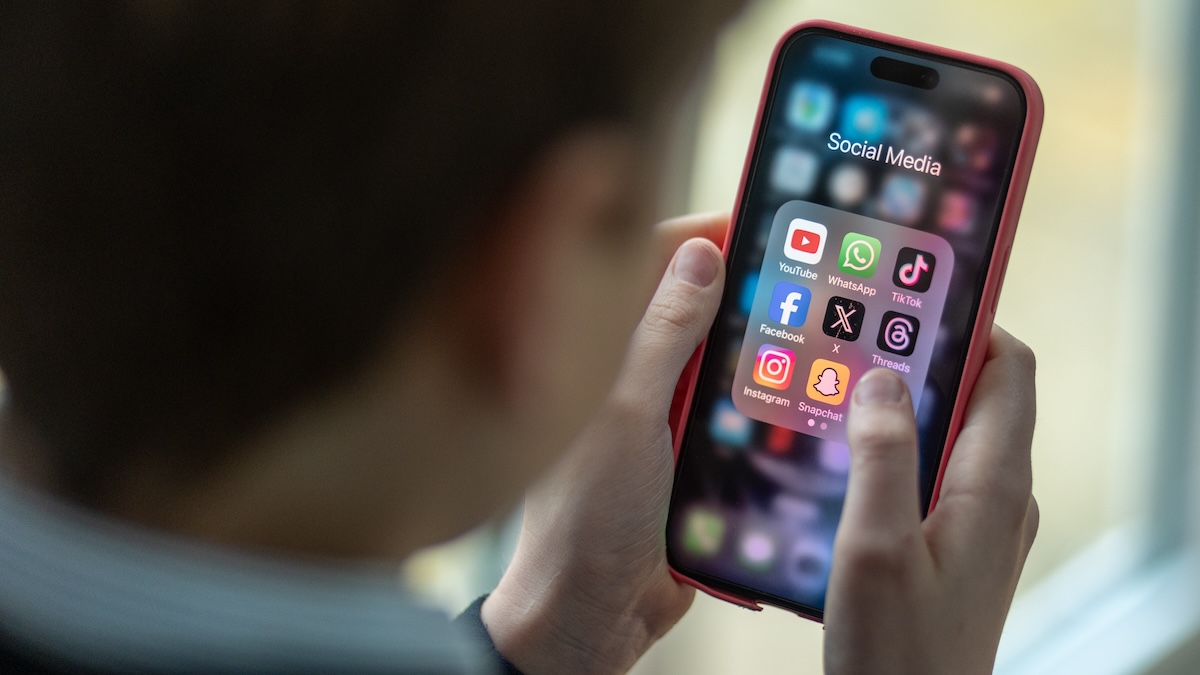
Australia is banning social media for users under the age of 16. The new legislation aims to protect vulnerable populations from harmful content. But, most free speech scholars are leery at best of these kinds of policies. Yes, there are dangerous elements of the online experience, and we need some safeguards for children against predators and the like. However, some are probably wondering why we don’t start with these massive platforms to begin with.
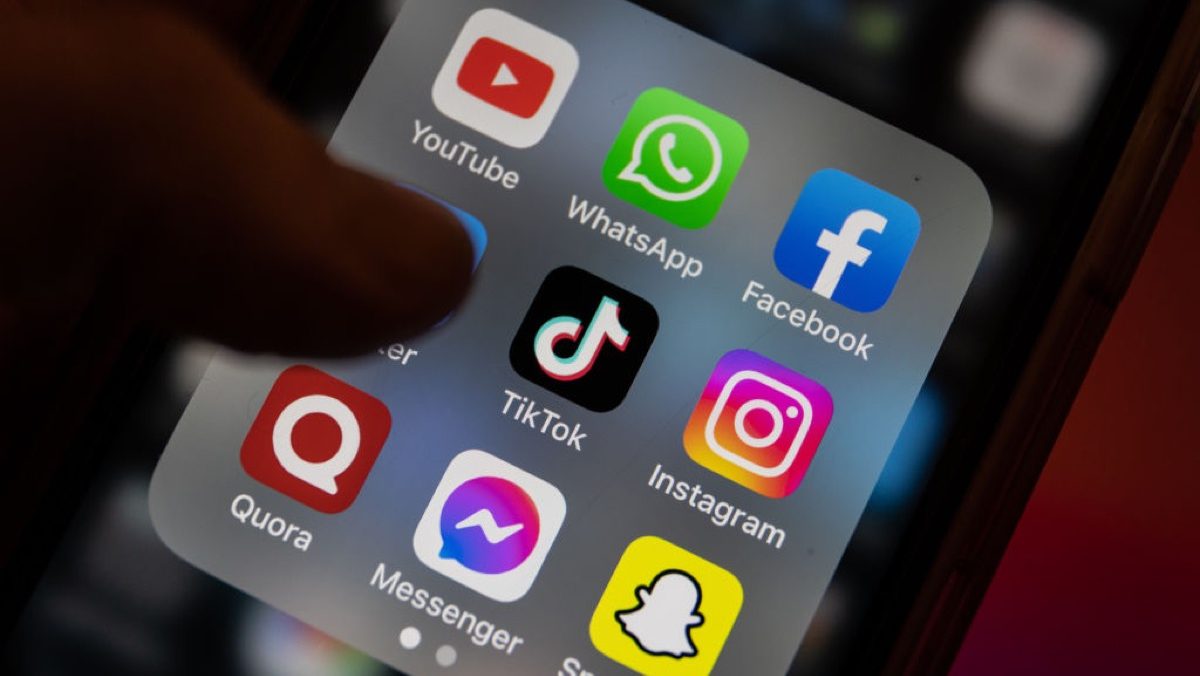
The BBC’s reporting on this phenomenon lists Twitter, TikTok, Reddit, YouTube, Facebook, Threads, Snapchat, Kik, and Twitch as domains affected. While parents and children won’t be punished for running afoul of this law, the businesses in question will. (This is even before we get to questions about the efficacy of such a move. Anyone who has spent five seconds on the Internet knows that there are approximately 1 million ways to get what you’re looking for.)
Yet and still, some parents are lauding the Australia social media ban, and hoping that it makes its way across the ocean to other territories. Others are rightfully skeptical of such a wide reaching policy and its effects on the future.
Social media bans are a huge step
All of this becomes infinitely more complicated when you have an independent regulator handling all of this moderation. Melanie Dawes is Ofcom’s chief executive, They will implement whatever limiting of social media takes place among these young people. To her credit, the executive notes that it is a “big step to take.”
Dawes explained to the BBC, “It’s about, actually, postponing that moment when children get social media, and they’re putting a lot of effort into education and support for those teenagers under 16 to prepare them for then what happens when they do go online with social media later.”
All of that sounds very measured and thought out, but free speech scholars and other concerned individuals worry that this kind of censure can easily cross a line. (Think about how many tweens get any news from the outside world from social media.)
A case for regulation of the social media platforms themselves
One take that proves to be very thoughtful came from a 17-year-old In the country affected. A young woman named Mary from Australia was quick to lay out the double standard in her estimation of this policy. She points toward the proliferation of loot boxes, online gambling, and tech overreach as more prudent measures you could take to make young people on the Internet safer.
She told the outlet, “Instead of banning social media for everyone under 16, maybe the government should just force the billionaires running the companies to regulate their companies for all ages.”
“Why are children allowed to see gambling ads and go to jail at 10 years old but they can’t use social media at 15?,” Mary pondered. It’s an absolutely fair question, and one that lawmakers would have to answer in a just environment. We’ll have to wait and see if this ends up being the case in Australia.
(featured image: Matt Cardy/Getty Images)
Have a tip we should know? [email protected]
