


Man allegedly fakes a crocodile sighting with AI, prompting authorities to launch a search. Now he faces possible jail time
The crocodile was fake. The charges aren't.
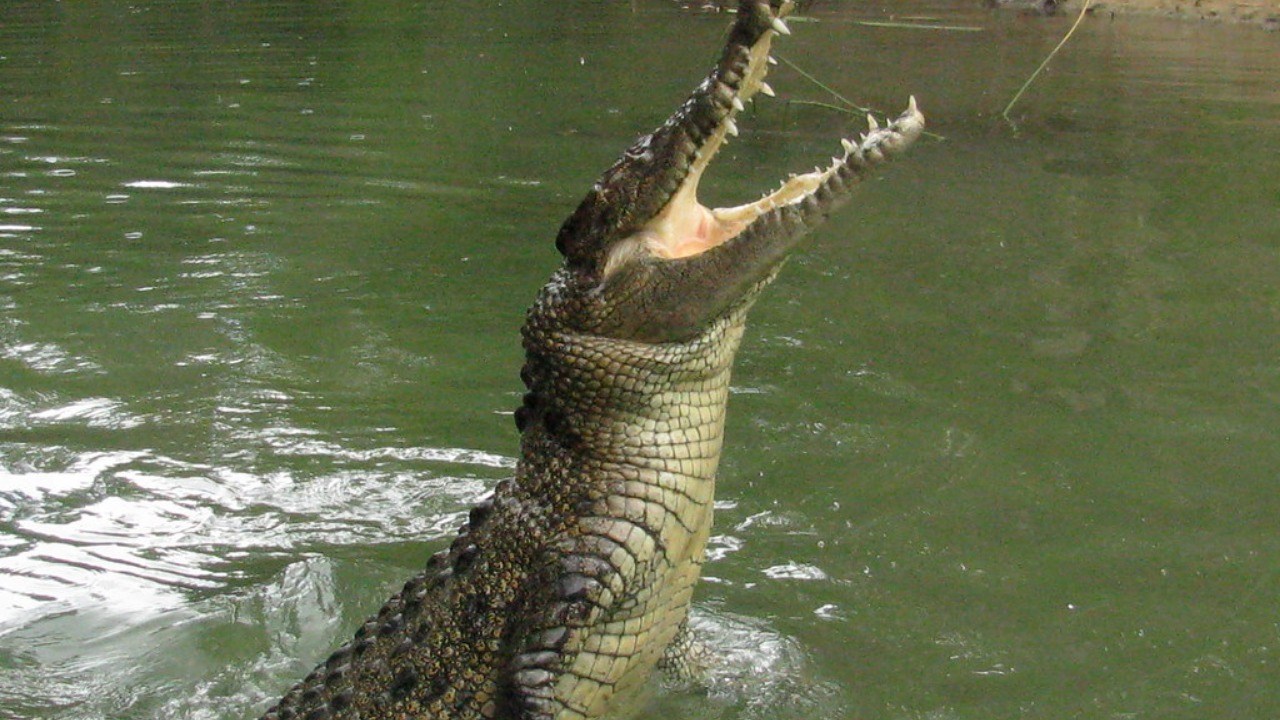
A crocodile sighting at a Singapore reservoir prompted authorities to launch a search and suspend recreational activities. Later, they discovered that the crocodile in the picture wasn’t real. Now, the man accused of creating it with artificial intelligence (AI) is facing criminal charges.
As reported by the BBC, Ye Lin, a man from Myanmar, was charged with communicating a false message and obstructing the course of justice. Police allege that he generated an image of a crocodile at Pandan Reservoir and sent it to a colleague. What happened to the image afterward has not been publicized, but it eventually reached Singapore’s national water agency.
Authorities search for an AI-generated crocodile
Singapore’s national water agency, PUB, received information about a possible crocodile sighting at Pandan Reservoir on August 20. The reservoir is located west of Singapore’s city center and is quite a popular spot for jogging and kayaking.
The possibility of a saltwater crocodile in the water was enough to prompt a response. PUB and national parks personnel searched and capture operations in the area. For safety purposes, the Singapore Rowing Association and Singapore Canoe Federation were also instructed to suspend their activities.
According to the BBC, the disruption lasted two days. By the day after the initial report, however, PUB had confirmed that the crocodile image was fake and reported the matter to police.
Investigators allege that Ye Lin created the picture using an AI application before sending it to a colleague. Authorities have not explained how the image subsequently reached PUB, so it remains unclear whether the colleague forwarded it or someone else passed it along.
The crocodile wasn’t the first AI-generated character to draw the attention of authorities. A disturbing Cat in the Hat TikTok trend also triggered police investigations after threatening posts referenced visiting schools.
The alleged cover-up could carry a heavier penalty
In the case of Ye Lin, he allegedly deleted both the crocodile image and the AI application used to create it. “The man subsequently deleted the image and the related application in an attempt to conceal his actions,” the Singapore Police Force shared in a statement, as reported by the BBC.
That alleged deletion forms the basis of the obstruction of justice charge. In terms of motivation, authorities have not publicly established why Ye Lin allegedly created the image in the first place.
AI-generated images have also caused trouble across the pond. Families attending an AI-advertised Willy Wonka experience in Scotland reportedly found a venue that looked nothing like its promotional images. Police attended after complaints erupted and the event shut down early.
Meanwhile, Ye Lin’s case has reached criminal court. Reports say he told the court through an interpreter that he intended to plead guilty. The two charges carry different potential penalties under Singapore law. Communicating a false message is punishable by up to three years in prison, a fine of up to S$10,000, or both. Obstructing justice carries a maximum of seven years in prison, a fine, or both. His case is scheduled to return to court in November.
The crocodile may have been imaginary, but the charges against Ye Lin are real. Whether he is convicted and what penalty he might receive remains for the court to determine.
Have a tip we should know? [email protected]
Follow The Mary Sue:
