


A Salon Customer Noticed Her Card Had Already Been Charged a Tip, and She Asked, ‘Don’t You Usually Give the Customer a Choice?’
"That's just the most popular option."
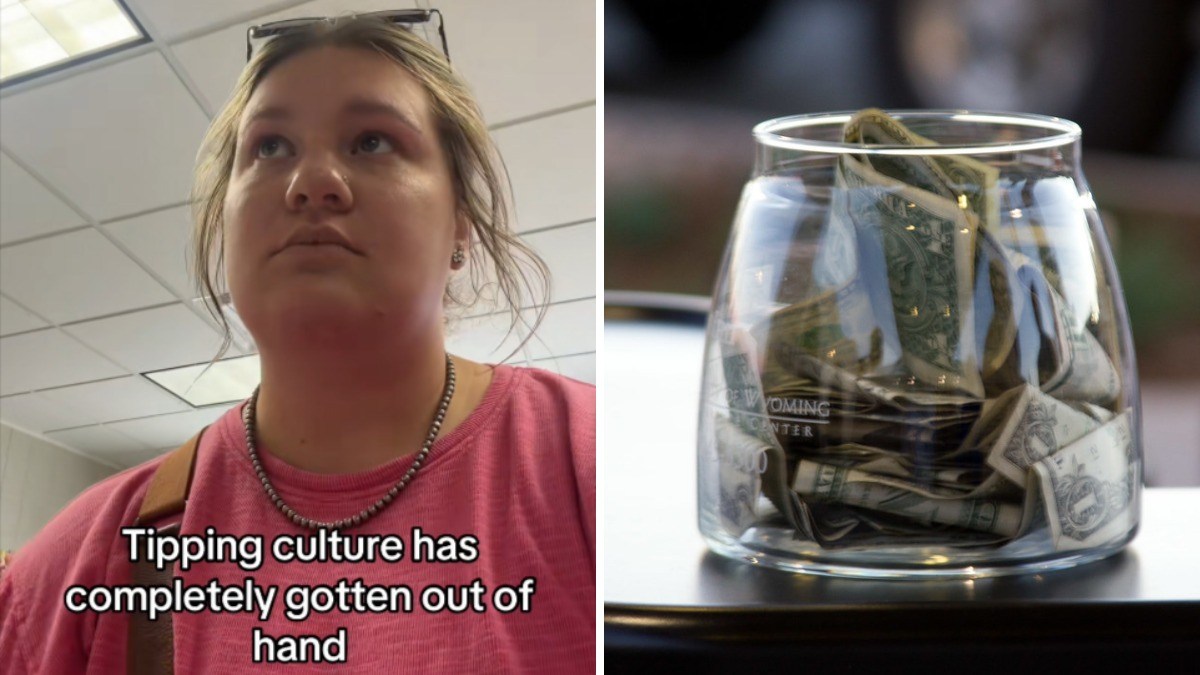
A video of a salon worker adding a 15% tip to a customer’s card without asking has gone viral on TikTok. According to Daily Dot, TikToker @emrykaiser filmed the exchange after getting a facial waxing service and being billed $25.91, a charge she didn’t dispute.
Her tone shifted when she noticed the added 15% tip on her card. She asked if she could pay the tip separately in cash instead, but the card had already been swiped, something the worker apologized for. “Why? Don’t you usually give the customer a choice?” she asked. The employee replied, “Well, that’s just the most popular option.” The video ends without showing how the interaction was resolved, and the creator hasn’t posted a follow-up or responded publicly since.
According to the IRS, tips are legally defined as discretionary payments made voluntarily by the customer, which is the opposite of what a fixed 15% charge added by staff without asking represents. A tip added by the business itself, without the customer choosing the amount, generally falls under a different legal category entirely.
Here’s What the Customer Could Actually Do About It
Beyond the general consumer protection framework, there’s a specific, practical option available to the customer in this exact situation. Under the Fair Credit Billing Act, a cardholder can formally dispute a charge in writing with their card issuer within 60 days of the statement date if it includes an amount they never authorized. The issuer then has up to two billing cycles, capped at 90 days, to investigate, and can’t charge interest or report the disputed amount as unpaid while that review is ongoing.
That gives a customer in this exact situation a real path to get the tip portion reversed, separate from whatever the salon itself says about its policy. Card network rules add another layer specific to how this was processed. Visa’s own merchant guidelines explicitly list beauty and barber shops and health and beauty spas as businesses covered by its tip-adjustment rules, and those rules state a merchant “must never estimate the tip.”
A merchant is generally permitted to clear a transaction for up to 20% above the originally authorized amount without additional consent, but adding a tip the customer never approved, rather than one they wrote in themselves, isn’t the situation those rules are built around. Whether the salon’s practice crosses into a legal violation would likely depend on state consumer protection law rather than any single federal rule. The FTC’s newest rule targeting hidden fees currently only covers live-event ticketing and short-term lodging, so it wouldn’t reach a salon specifically.
But the FTC Act’s broader ban on unfair or deceptive practices, along with nearly every state’s own consumer protection statute, generally prohibits charging a customer for something they never agreed to.
Have a tip we should know? [email protected]
Follow The Mary Sue:
